The Harmonic Prescription: Can Music Lower Blood Pressure Daily?
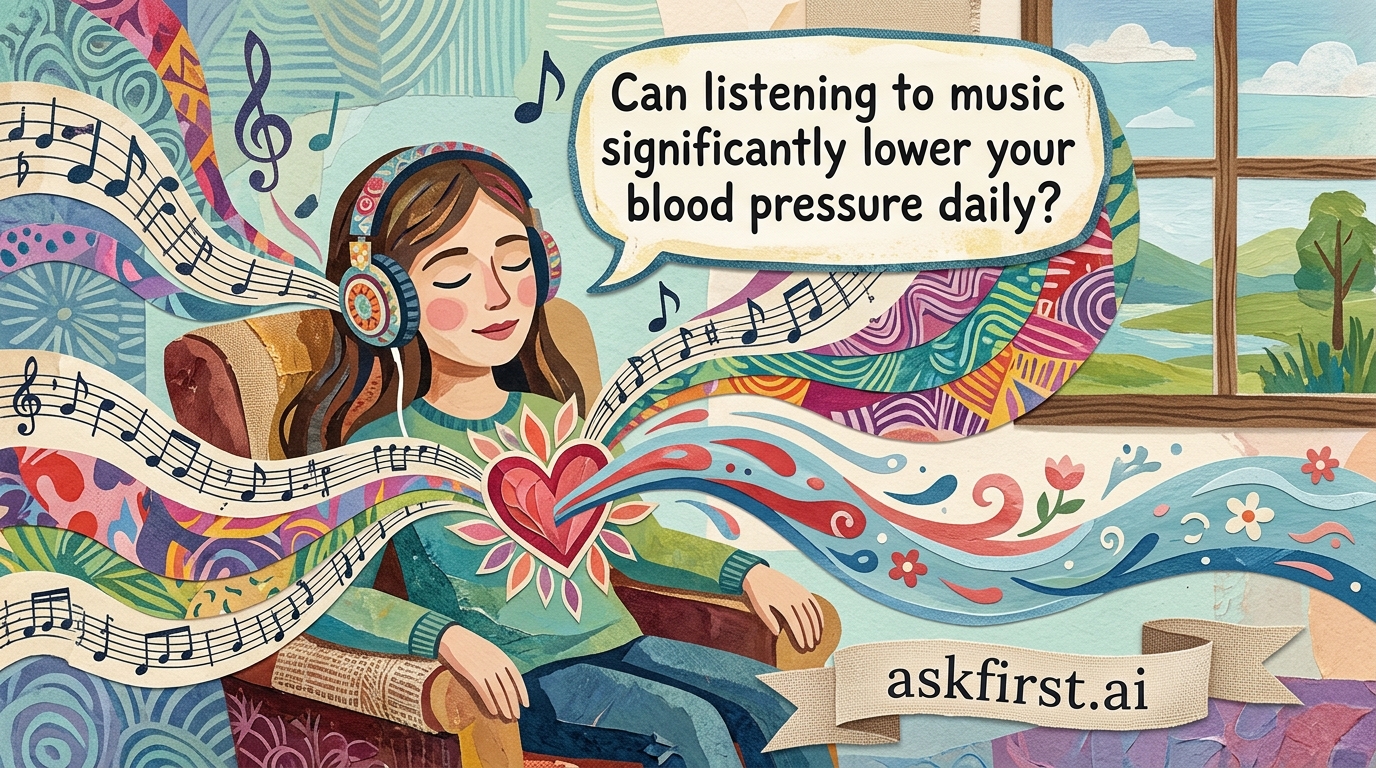
For centuries, music has been revered as a universal language capable of soothing the soul, lifting spirits, and healing the mind. However, recent advancements in cardiovascular science suggest that the power of sound reaches far beyond psychological comfort. The concept of using music as a therapeutic intervention for hypertension—often referred to as the silent killer—has sparked significant interest among medical researchers and wellness advocates alike. Can simply hitting play on a playlist really act as a daily medicine for your arteries?
The Physiological Mechanism of Sound
The human body does not merely hear music; it feels it. Sound waves are physical vibrations that influence the autonomic nervous system (ANS). The ANS consists of two branches: the sympathetic system (responsible for the 'fight or flight' response) and the parasympathetic system (the 'rest and digest' mechanism). When an individual listens to slow-tempo, rhythmic, and harmonious music, the parasympathetic nervous system is stimulated. This leads to a reduction in heart rate and a decrease in the production of stress hormones like cortisol and adrenaline. Because cortisol causes blood vessels to constrict and blood pressure to spike, the attenuation of this chemical trigger naturally facilitates arterial relaxation.
Scientific Foundations and Research
Various clinical studies have explored the efficacy of auditory stimulation on hypertensive patients. Research published in reputable medical journals, such as the American Journal of Hypertension, has indicated that consistent daily listening sessions can lead to measurable improvements in blood pressure readings.
- Tempo and Rhythm: Music with a tempo between 60 and 80 beats per minute mimics the resting heart rate of a healthy adult. This synchronization is believed to encourage the cardiovascular system to settle into a more relaxed rhythm.
- Duration Matters: Most studies emphasize that the effect is dose-dependent. Listening to music for at least 20 to 30 minutes daily is significantly more effective than sporadic or short sessions.
- Choice of Genre: While personal preference plays a massive role in the psychological response, classical music, ambient soundscapes, and instrumental tracks are generally more effective than music with complex lyrics or high-intensity rhythms, as these can trigger cognitive arousal.
Creating Your Daily Auditory Protocol
To integrate music as a lifestyle intervention, consistency and environment are essential. You cannot expect the same results if you are listening to high-tempo rock music while rushing through a busy morning commute. The following protocol is recommended for maximum effect:
- Select the Right Soundscape: Prioritize tracks that lack vocal interruptions, which can inadvertently stimulate the brain's language processing centers.
- Scheduled Relaxation: Designate a 'quiet time' in your day, ideally before bed or immediately upon waking, where the focus is entirely on the auditory experience.
- Active Engagement vs. Passive Listening: While passive listening works, consciously focusing on the flow of the melody while engaging in deep, diaphragmatic breathing enhances the systemic benefits.
- Consistency is Key: The cardiovascular system thrives on predictability. Turning this into a daily habit is what allows for the sustained long-term adjustment of baseline blood pressure levels.
Addressing the Limitations
It is vital to recognize that while music therapy is a powerful auxiliary tool, it is not a complete replacement for conventional medical treatment, lifestyle changes, or necessary medications prescribed for chronic hypertension. The term 'significantly' is nuanced; music may offer a statistically relevant reduction, but it should be viewed as part of a holistic cardiovascular strategy. Factors such as diet, physical activity, sleep hygiene, and stress management remain the cornerstones of arterial health.
The Future of Sound Medicine
As we move toward a future where non-invasive, cost-effective health interventions are prioritized, the role of sound in medical practice is likely to expand. The simplicity of the intervention is its greatest strength. Music does not have negative side effects, it is universally accessible, and it offers an immediate improvement in quality of life. Whether or not it replaces traditional pharmaceutical protocols, its ability to serve as a calming anchor in an increasingly chaotic world makes it a indispensable tool for anyone looking to optimize their physiological health.
In conclusion, the marriage of music and medicine provides a compelling glimpse into how our environment directly dictates our internal biology. By curating your daily auditory landscape, you possess the capacity to gently influence your cardiovascular health, turning every note and every beat into a subtle, soothing intervention for your heart.