The Psychophysiological Power of the Clinical Encounter
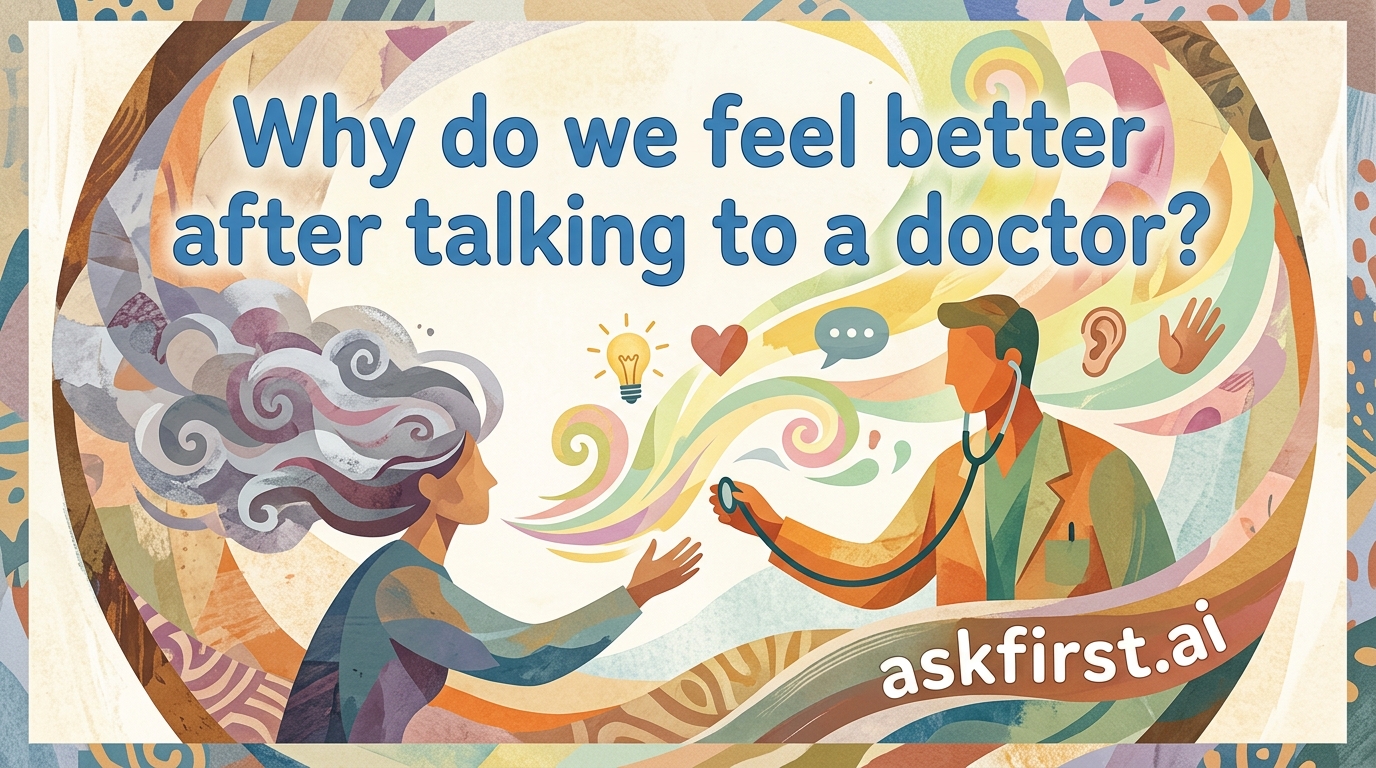
It is a common, almost universal experience: the moment a medical professional acknowledges one's health concerns, a palpable wave of relief washes over the patient. This phenomenon is often attributed to the 'clinical encounter,' a complex interaction that serves as a cornerstone of human medicine. This relief is not merely a placebo effect in the traditional sense; it is a sophisticated neurobiological and psychological process.
The Neurobiology of Relief
When an individual shares their physical or emotional distress with a doctor, the brain's executive function begins to engage in active problem-solving. This shift moves the patient from the 'amygdala-driven' state of anxiety—characterized by the fight-or-flight response—to the prefrontal cortex, which is responsible for reasoning and emotional regulation. Studies in neuroimaging show that verbalizing distress can actually lower activity in the amygdala, effectively 'cooling down' the panic response.
- Oxytocin Release: Research suggests that high-quality, empathetic physician-patient interactions trigger the release of oxytocin, often called the 'bonding hormone.' This chemical promotes feelings of trust and reduces cortisol, the body's primary stress hormone.
- Dopaminergic Reward: The act of receiving professional validation and a structured plan of action engages the brain's reward pathways. Knowing that there is a path forward, even if the condition is not yet resolved, provides a hit of dopamine that mitigates distress.
The Power of Linguistic Validation
Humans are social creatures, and validation is a fundamental human need. When a doctor says, 'I understand why you are feeling this way,' it transforms an abstract, terrifying symptom into a recognized clinical phenomenon. This process, known as diagnostic labeling, provides cognitive closure.
Without a label, an unknown sensation can spiral into catastrophic thinking. Once the condition is named or validated by an expert, the brain categorizes the threat, which allows the nervous system to shift from high alert to a state of manageable observation. This is the essence of why a diagnosis—even of a minor issue—is inherently therapeutic.
The Therapeutic Alliance
Medical literature emphasizes the importance of the 'therapeutic alliance.' This is the collaborative relationship between the patient and the practitioner. This alliance acts as a psychosocial scaffold. The patient effectively 'borrows' the calm and expertise of the doctor. By surrendering the burden of uncertainty to someone they perceive as an expert, the patient achieves an immediate reduction in cognitive load.
- The Placebo Element: In clinical practice, the doctor-patient relationship itself serves as an active therapeutic agent. Research published in journals like The Lancet has demonstrated that the context of care—the white coat, the diagnostic equipment, and the professional setting—primes the brain to expect recovery, which in turn influences immune response and pain perception.
- Expectation Modulation: Pain is not just a sensory signal; it is a perception modulated by expectation. When a doctor provides an explanation, they alter the patient’s expectation of the symptom's intensity. If one believes a sensation is 'harmless and temporary,' the brain may physically dampen the sensory signal associated with that pain.
Why This Lasts
This phenomenon remains relevant across generations because the fundamental structure of human vulnerability is unchanging. We are wired to seek communal support when we are weakened. A doctor, in this evolutionary context, acts as a specialized member of the tribe whose role is to restore the integrity of the collective.
Conclusion
Feeling better after talking to a doctor is a confluence of biology and psychology. It involves the reduction of cortisol through social bonding, the downregulation of the amygdala via verbal expression, and the calming effect of diagnostic categorization. It is a testament to the power of human connection, proving that the physician is not just a technician of the body, but a profound influence on the mind’s ability to heal itself. The clinical visit, therefore, is far more than a consultation; it is an active intervention in the patient’s physiological state.