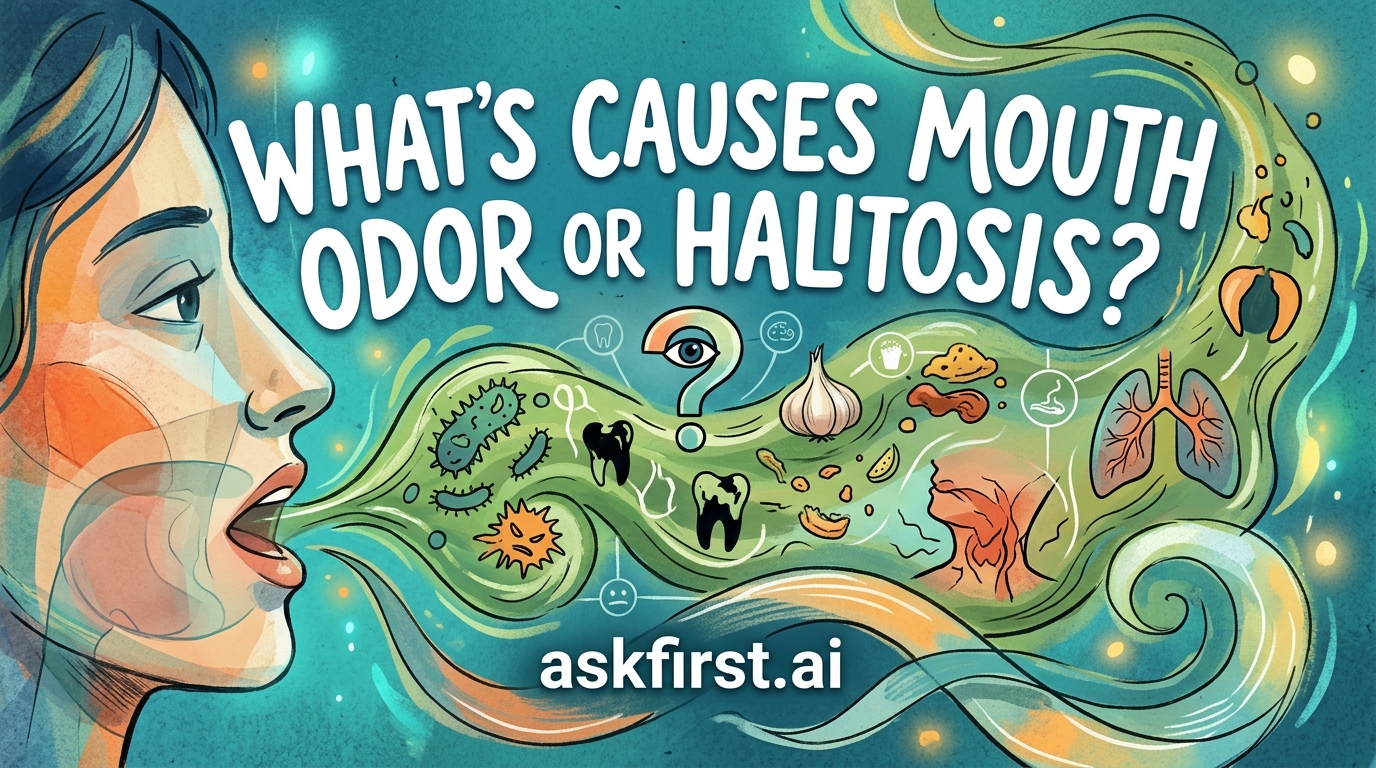
Halitosis, commonly referred to as bad breath, is a multifaceted physiological condition that affects a significant portion of the global population. While often dismissed as a mere social inconvenience, halitosis is frequently a clinical indicator of underlying systemic or localized health issues. Understanding the etiology of oral malodor requires a deep dive into microbiology, metabolic processes, and oral hygiene practices.
The Microbial Origin: Volatile Sulfur Compounds (VSCs)
At the heart of almost all cases of halitosis lies a biological process involving anaerobic bacteria. Within the oral cavity, particularly on the posterior third of the tongue, these bacteria thrive in an environment protected from oxygen. When these microorganisms break down proteins found in food particles, saliva, and post-nasal drip, they release Volatile Sulfur Compounds (VSCs).
The most prominent of these compounds are hydrogen sulfide (which smells like rotten eggs), methyl mercaptan (reminiscent of decaying cabbage), and dimethyl sulfide. As noted by Dr. Mel Rosenberg, a pioneer in the study of oral malodor and Professor Emeritus at Tel Aviv University, the tongue coating is the primary "factory" for these odors. In his seminal work, Bad Breath: Research Perspectives, Rosenberg explains that the surface topography of the tongue acts as a reservoir for bacteria, which decompose cellular debris into the gases we perceive as foul breath.
Periodontal Health and Oral Hygiene
The most common cause of halitosis is poor oral hygiene. When plaque—a biofilm consisting of bacteria and food debris—is not removed through consistent brushing and flossing, it mineralizes into tartar (calculus). This provides a permanent structure for bacteria to colonize.
Furthermore, periodontal diseases such as gingivitis and periodontitis create deep "pockets" between the teeth and gums. These pockets are difficult to reach with a toothbrush and become anaerobic breeding grounds for bacteria. According to the Journal of Clinical Periodontology, patients with advanced gum disease often exhibit high levels of VSCs because the inflammation and subsequent tissue breakdown provide an abundance of protein substrates for bacterial fermentation.
Xerostomia: The Role of Saliva
Saliva is the mouth’s natural defense mechanism. It acts as a mechanical cleanser, washing away food particles and dead cells that would otherwise be metabolized by bacteria. It also contains enzymes and oxygenating compounds that inhibit bacterial growth.
When the salivary glands are compromised—a condition known as Xerostomia (dry mouth)—halitosis often follows. This can be caused by:
- Medications: Many antidepressants, antihistamines, and antihypertensives list dry mouth as a side effect.
- Dehydration: Chronic lack of water intake reduces salivary flow.
- Sleep: During sleep, salivary production decreases significantly, which is why "morning breath" is a universal human experience.
Systemic Causes and ENT Issues
While 85% to 90% of halitosis cases originate in the mouth, internal factors play a critical role in the remaining cases.
- Ear, Nose, and Throat (ENT) Conditions: Post-nasal drip, chronic sinusitis, and tonsilloliths (tonsil stones) are major culprits. Tonsil stones are calcified deposits of mucus and debris that get trapped in the crypts of the tonsils; they possess a potent, offensive odor.
- Gastrointestinal Issues: Contrary to popular belief, simple stomach issues rarely cause chronic bad breath. However, Helicobacter pylori infections (associated with stomach ulcers) have been linked to halitosis. Additionally, gastroesophageal reflux disease (GERD) can allow acidic, odorous stomach gases to travel up the esophagus.
- Metabolic Disorders: Rare systemic conditions can manifest as distinct breath odors. For example, uncontrolled diabetes can cause "fruity" or acetone-smelling breath due to ketosis. Kidney failure may result in breath that smells like ammonia or urine, a condition known as uremic fetor.
Diagnostic Approaches and Mitigation
To effectively treat halitosis, one must first identify the source. Dentists often use a Halimeter, a device that measures the concentration of sulfide gases in the mouth.
To mitigate the condition, experts recommend a multi-pronged approach:
- Mechanical Debridement: Using a tongue scraper is often more effective than a toothbrush for removing the bacterial coating from the posterior tongue.
- Hydration: Increasing water intake supports saliva production.
- Chemical Control: Using alcohol-free mouthwashes that contain chlorine dioxide or zinc ions can help neutralize VSCs rather than simply masking them with mint flavors.
- Professional Intervention: Regular dental cleanings are non-negotiable to remove subgingival calculus that harbors odor-causing bacteria.
Conclusion
Halitosis is rarely a mystery; it is almost always the result of a specific biological interaction between bacteria and protein-based debris. By maintaining rigorous oral hygiene, addressing dry mouth, and seeking professional dental care to manage periodontal health, the vast majority of individuals can successfully manage or eliminate the condition. When these measures fail, it is essential to look toward systemic or ENT-related issues, as the breath often serves as a window into the broader state of one's physical health. As outlined in the Clinical Textbook of Dental Hygiene and Therapy, oral health is not merely about the aesthetics of a smile, but the management of a complex ecosystem that requires daily, diligent maintenance.