The Vital Essence: A Comprehensive Analysis of Hydration and Human Health
Water is the fundamental substrate of life. Comprising approximately 60% of the adult human body, it serves as the solvent for all biochemical reactions, the medium for nutrient transport, and the primary mechanism for thermoregulation. While it is often dismissed as a mundane necessity, the physiological impact of maintaining optimal hydration is profound. In the study of human physiology, water is not merely a beverage; it is a critical metabolic catalyst.
Cellular Homeostasis and Nutrient Transport
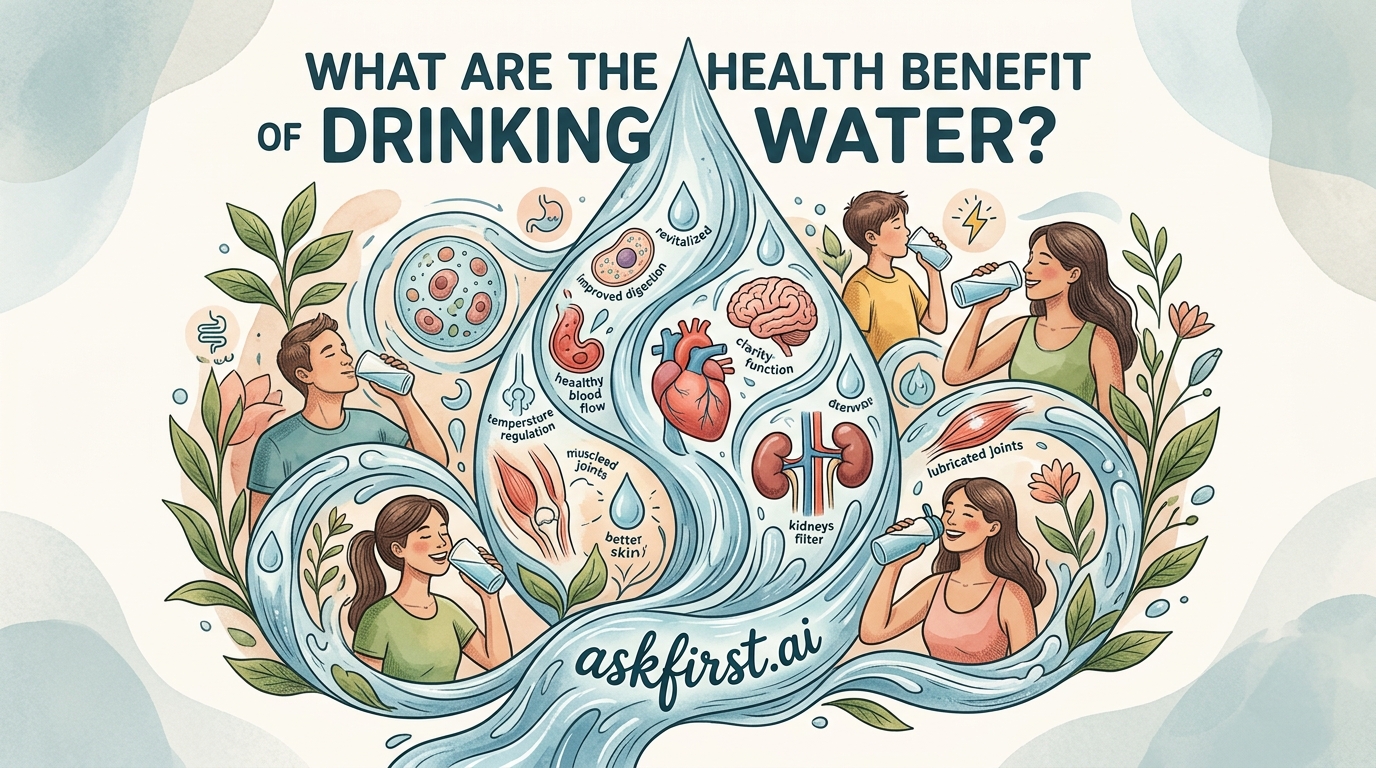
At the microscopic level, water is the environment in which every cell thrives. According to Dr. Gerald Pollack in his groundbreaking work, The Fourth Phase of Water: Beyond Solid, Liquid, and Vapor, water within our cells behaves in a structured, gel-like state that facilitates efficient energy transfer. When we drink sufficient water, we support the circulatory system in its primary mission: delivering oxygen and essential nutrients—such as glucose, amino acids, and vitamins—to cells across the body.
Without adequate fluid intake, blood volume decreases, causing the heart to work harder to pump blood through the vascular system. This creates a cascade of stress on the cardiovascular architecture. Consistent hydration ensures that the plasma remains at an optimal viscosity, allowing for seamless perfusion of tissues and the efficient removal of metabolic waste products, such as urea and carbon dioxide, through the kidneys and lungs.
Cognitive Function and Neurological Clarity
The brain is remarkably sensitive to fluctuations in hydration levels. Even mild dehydration—defined as a loss of 1% to 3% of body weight—has been scientifically correlated with significant impairments in cognitive performance. Research published in the Journal of the American College of Nutrition highlights that dehydration can lead to deficits in concentration, increased frequency of headaches, and heightened irritability.
When the brain is hydrated, neurons maintain the electrochemical balance necessary for rapid signal transmission. Think of the brain as a high-performance electrical grid; water acts as the electrolyte-rich conductor. When you feel "brain fog" in the mid-afternoon, it is frequently a signal of systemic dehydration rather than fatigue. Drinking a glass of water can often do more to sharpen focus than a second cup of coffee, which may ironically act as a diuretic and exacerbate the underlying fluid deficit.
Thermoregulation and Physical Performance
During physical exertion, the human body generates significant internal heat. The primary mechanism for cooling is the evaporation of sweat from the skin's surface. As detailed by Dr. Lawrence Armstrong in the American Journal of Clinical Nutrition, fluid loss through sweat is the body's most effective defense against hyperthermia.
If an individual is dehydrated, the body restricts blood flow to the skin to preserve blood volume for the muscles and vital organs, thereby compromising the body's ability to shed heat. This is why athletes who fail to hydrate adequately experience premature exhaustion and a significant drop in power output. By maintaining a steady intake of water, you ensure that the body can regulate its core temperature effectively, allowing for sustained endurance and reduced risk of heat-related injuries.
Metabolic Efficiency and Weight Management
Water plays a pivotal, albeit indirect, role in metabolic health. It is essential for lipolysis, the process by which the body burns fat for energy. Furthermore, drinking water before meals has been shown to increase satiety, which can assist in weight management by reducing caloric intake.
A study conducted at the University of Birmingham demonstrated that participants who drank 500ml of water 30 minutes before their main meals lost significantly more weight over a 12-week period than those who did not. This suggests that the physical sensation of stomach fullness, combined with the metabolic support water provides to liver function, creates a favorable environment for healthy weight maintenance.
Joint Lubrication and Tissue Protection
Water is a primary component of synovial fluid, the viscous substance that lubricates our joints. Without adequate hydration, the shock-absorbing properties of cartilage are diminished, leading to increased friction and joint pain. Furthermore, water is vital for the integrity of the spinal discs, which rely on hydration to remain supple and resilient. Proper hydration acts as a natural shock absorber, protecting the delicate tissues of the eyes, spinal cord, and internal organs from trauma.
Conclusion: Cultivating a Hydration Habit
The benefits of water consumption extend far beyond the basic prevention of thirst. It is the bedrock of cognitive clarity, physical endurance, metabolic health, and cellular longevity. To optimize your health, it is recommended to view hydration as a proactive health strategy rather than a reactive necessity. Listen to the body’s cues, monitor the color of your urine as a primary indicator of status (aiming for a pale straw color), and integrate water consumption into your daily routine by keeping a reusable container close at hand. By honoring the body's need for this essential solvent, you provide the foundation for every system to function at its peak potential.