The Neurobiological and Psychological Foundations of Exercise-Induced Mental Wellness
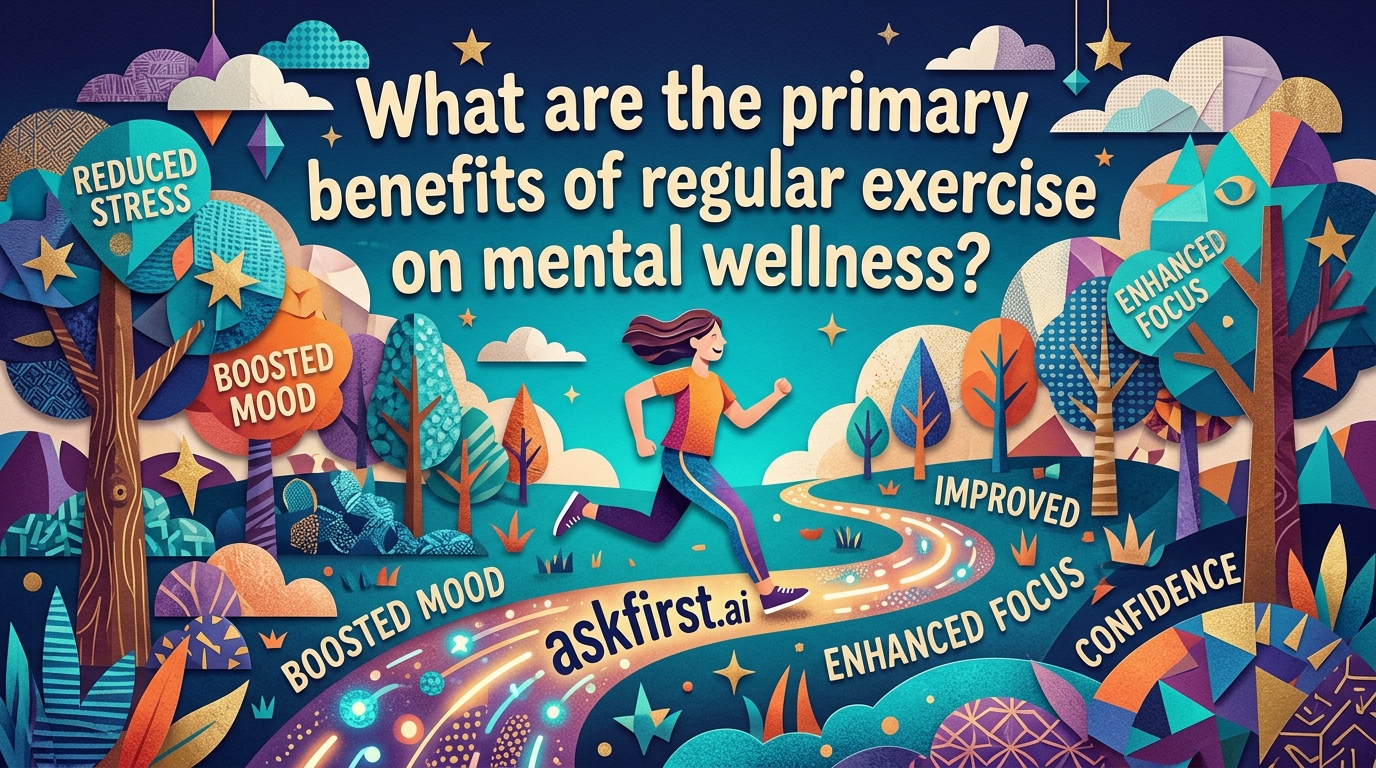
The relationship between physical activity and mental health is one of the most robust findings in modern behavioral science. While exercise has long been prescribed for cardiovascular health and weight management, its role as a primary intervention for psychological well-being is increasingly recognized by neuroscientists and clinical psychologists alike. Regular movement acts as a foundational pillar for emotional regulation, cognitive resilience, and the mitigation of neurodegenerative risks. By engaging in structured physical activity, individuals do not merely change their bodies; they fundamentally alter the chemical and structural landscape of their brains.
The Neurochemical Cascade: Endorphins, Monoamines, and BDNF
At the heart of exercise’s mental benefits is a complex cascade of neurochemical reactions. When we exercise, the body releases a cocktail of neurotransmitters that are essential for mood regulation. Primary among these are endorphins, the body’s endogenous opioids, which function as natural painkillers and mood elevators.
However, the benefits extend far beyond the "runner’s high." Exercise increases the availability of monoamines, specifically serotonin, dopamine, and norepinephrine. These neurotransmitters are the primary targets of most antidepressant medications. In his seminal work, Spark: The Revolutionary New Science of Exercise and the Brain (Little, Brown and Company, 2008), Dr. John J. Ratey, an associate clinical professor of psychiatry at Harvard Medical School, explains that exercise acts as a "miracle-gro" for the brain. He emphasizes the release of Brain-Derived Neurotrophic Factor (BDNF). BDNF serves as a fertilizer for the brain, promoting neuroplasticity—the growth and survival of new neurons in the hippocampus, the area of the brain responsible for memory and emotional processing. By stimulating BDNF, regular exercise helps repair the cellular damage often associated with chronic stress and depression.
Mitigating the Stress Response: The HPA Axis
Chronic stress is a leading contributor to anxiety and depressive disorders, primarily through the dysregulation of the Hypothalamic-Pituitary-Adrenal (HPA) axis. The HPA axis governs the body’s "fight or flight" response by releasing cortisol. In a healthy system, cortisol levels spike during a stressor and then return to baseline. In chronically stressed individuals, this system remains perpetually activated, leading to systemic inflammation and cognitive impairment.
Regular physical activity acts as a "controlled stressor." When we lift weights or run, we temporarily elevate cortisol levels in a purposeful, time-limited way. This teaches the body to recover more efficiently. Over time, consistent exercise strengthens the feedback loop of the HPA axis, making an individual less reactive to everyday psychological stressors. This phenomenon is supported by research published in the Journal of Affective Disorders, which highlights that aerobic exercise can be as effective as pharmacotherapy in reducing symptoms of mild to moderate anxiety by helping the body habituate to physiological arousal.
Cognitive Reserve and the Mitigation of Cognitive Decline
Beyond mood, exercise is the most effective lifestyle intervention for maintaining cognitive health throughout the lifespan. As we age, the brain naturally undergoes atrophy, particularly in the prefrontal cortex and hippocampus. Physical activity, particularly aerobic exercise, has been shown to increase the volume of these structures.
In the book The Brain That Changes Itself (Viking, 2007), Dr. Norman Doidge explores the concept of neuroplasticity, noting that cardiovascular exercise enhances blood flow to the brain, delivering oxygen and glucose that are essential for cognitive function. This increased perfusion helps clear metabolic waste products and reduces neuroinflammation. For example, a study conducted at the University of British Columbia demonstrated that regular aerobic exercise—the kind that gets your heart and sweat glands pumping—appears to increase the size of the hippocampus, the brain area involved in verbal memory and learning. This provides a significant "cognitive reserve," protecting the brain against the onset of age-related cognitive decline and neurodegenerative diseases like Alzheimer’s.
Psychosocial Benefits and Self-Efficacy
Beyond the biochemical, there is a profound psychological benefit rooted in self-efficacy. According to Albert Bandura’s social cognitive theory, self-efficacy is the belief in one’s capacity to execute behaviors necessary to produce specific performance attainments. When an individual sets a fitness goal—whether it is running a mile without stopping or deadlifting a certain weight—and achieves it, they cultivate a sense of agency.
This sense of mastery is a powerful antidote to the feelings of helplessness often associated with depression. Furthermore, exercise often facilitates social connection, whether through team sports, group classes, or community walking clubs. As highlighted in the Blue Zones research by Dan Buettner, social integration is one of the strongest predictors of longevity and mental happiness. Engaging in exercise within a community setting provides a dual benefit: the physiological rewards of the movement itself and the psychological buffer provided by social support networks.
Conclusion
The evidence is clear: regular exercise is not merely a supplement to mental health, but a cornerstone of it. By leveraging the release of BDNF, regulating the HPA axis, and fostering a sense of mastery and social connection, physical activity provides a comprehensive toolkit for emotional and cognitive stability. Whether it is a brisk thirty-minute walk, a strength-training session, or a yoga practice, the consistency of the effort is more important than the intensity. By prioritizing movement, we invest in the biological architecture of our minds, ensuring that we remain resilient, focused, and emotionally balanced in an increasingly demanding world.