The Biological and Physiological Advantages of Fasting: A Comprehensive Analysis
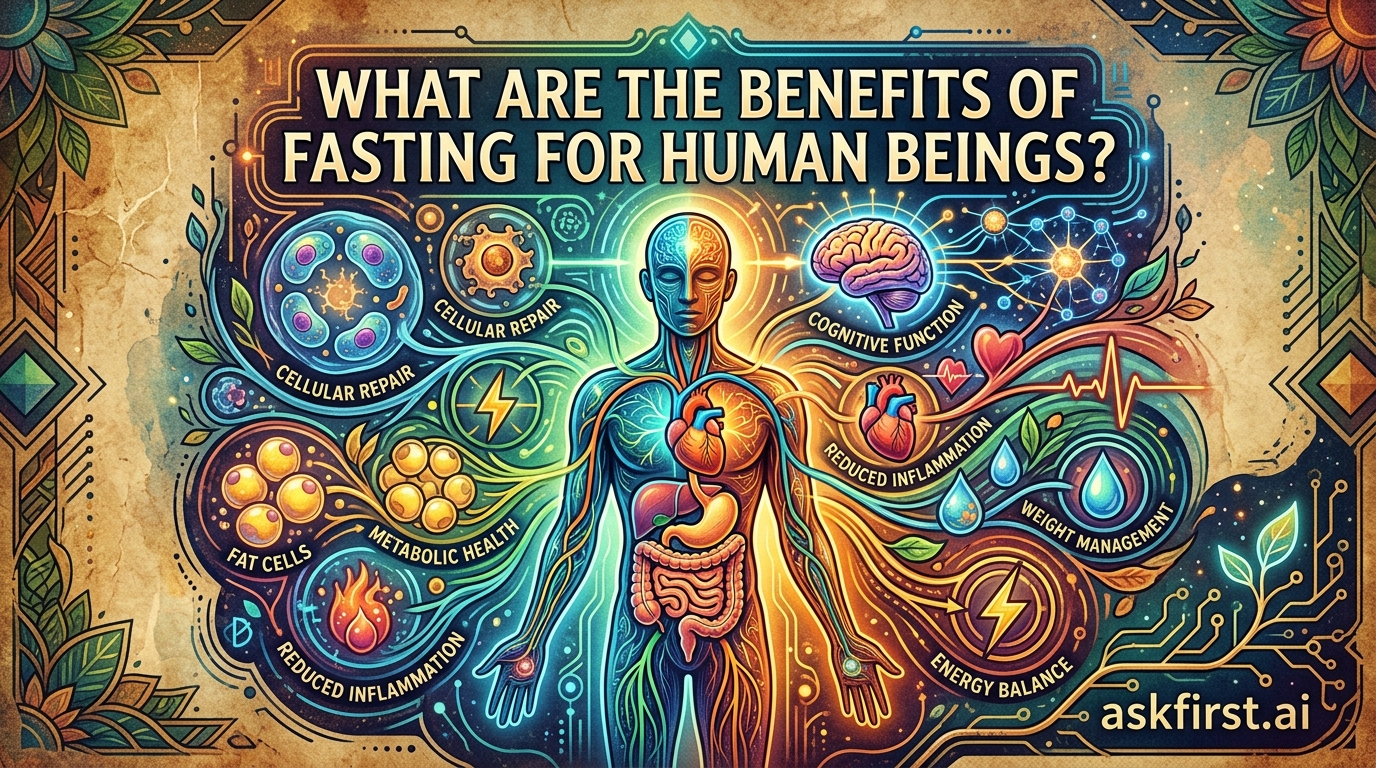
Fasting—the voluntary abstinence from food or drink for specific periods—has transitioned from an ancient cultural and religious practice to a focal point of modern clinical research. From the intermittent fasting (IF) protocols popularized by Dr. Jason Fung in The Obesity Code to the cellular studies on autophagy led by Nobel laureate Yoshinori Ohsumi, the scientific community has begun to quantify the profound systemic benefits of periodic calorie restriction. By shifting the body’s metabolic state from a "fed" (anabolic) phase to a "fasted" (catabolic) phase, humans can trigger a cascade of restorative biological processes that extend far beyond simple weight management.
1. Metabolic Flexibility and Insulin Sensitivity
One of the most immediate benefits of fasting is the enhancement of metabolic flexibility. In the standard modern diet, the body relies almost exclusively on glucose derived from carbohydrates. When fasting, the body depletes its glycogen stores and eventually shifts to burning stored adipose tissue, producing ketones.
As detailed by Dr. Mark Mattson, a professor of neuroscience at Johns Hopkins University, this metabolic switch improves insulin sensitivity. By reducing the frequency of insulin spikes caused by constant snacking, the body lowers its circulating insulin levels. This is critical for preventing and reversing Type 2 diabetes. When the pancreas is not constantly tasked with insulin production, the cells become more responsive, effectively lowering the risk of metabolic syndrome and chronic inflammation.
2. Autophagy: The Body’s Cellular Recycling Program
Perhaps the most significant discovery in the science of fasting is the induction of autophagy. Derived from the Greek words for "self-eating," autophagy is the process by which cells dismantle dysfunctional proteins, damaged organelles, and misfolded proteins that accumulate over time.
Yoshinori Ohsumi’s groundbreaking research, for which he received the 2016 Nobel Prize in Physiology or Medicine, demonstrated that without periods of nutrient deprivation, cells struggle to clear out this "cellular trash." When we fast, the mTOR pathway (which promotes growth) is inhibited, and the AMPK pathway (which senses low energy) is activated. This triggers the formation of autophagosomes, which engulf and break down cellular debris. This process is essentially a biological "deep clean," which is hypothesized to play a major role in preventing neurodegenerative diseases like Alzheimer’s and Parkinson’s, as well as various forms of cancer.
3. Cardiovascular Health and Blood Pressure Regulation
Fasting has shown remarkable efficacy in improving markers of heart health. Clinical studies, such as those published in the American Journal of Cardiology, suggest that fasting helps lower blood pressure, reduce resting heart rate, and improve lipid profiles.
By reducing systemic inflammation—measured by markers like C-reactive protein (CRP)—fasting helps maintain the integrity of the vascular endothelium. Furthermore, fasting promotes the reduction of LDL cholesterol and triglycerides. In his book The Longevity Diet, Dr. Valter Longo of the University of Southern California highlights how periodic fasting mimics the effects of calorie restriction, which has been shown in longitudinal studies to be one of the few interventions consistently linked to increased lifespan and reduced risk of cardiovascular events in mammals.
4. Cognitive Function and Neuroplasticity
The brain is a high-energy organ, and fasting appears to optimize its performance rather than impair it. Through the upregulation of Brain-Derived Neurotrophic Factor (BDNF), fasting promotes the growth of new neurons and strengthens existing synaptic connections.
Dr. Dale Bredesen, author of The End of Alzheimer’s, emphasizes that intermittent fasting is a cornerstone of his protocol for cognitive preservation. By inducing mild metabolic stress, the brain is forced to adapt by increasing mitochondrial efficiency and reducing oxidative stress. Many individuals who practice intermittent fasting report improved mental clarity, heightened focus, and a reduction in "brain fog," largely because the brain functions more efficiently on ketones—a cleaner-burning fuel source than glucose—than it does on the volatile peaks and valleys of blood sugar.
5. Hormonal Optimization
Fasting provides a unique opportunity to reset the body’s hormonal architecture. For many, the constant consumption of processed foods leads to leptin resistance, where the brain fails to receive the signal that the body is "full." Fasting helps restore leptin sensitivity, allowing the body to regulate appetite more effectively.
Additionally, fasting has been shown to boost the secretion of human growth hormone (HGH). According to research published in the Journal of Clinical Investigation, short-term fasting can lead to a significant spike in HGH levels, which aids in muscle preservation and fat mobilization. This is a vital evolutionary adaptation: when food is scarce, the body prioritizes maintaining muscle mass to ensure the individual remains capable of hunting or gathering, while simultaneously burning fat stores for energy.
Conclusion: A Tool for Longevity
The benefits of fasting are multifaceted, spanning from the microscopic level of cellular repair to the macroscopic level of improved cardiovascular and cognitive health. While the practice should be approached with caution—particularly by those with histories of eating disorders, pregnant women, or individuals with specific medical conditions—the evidence supporting its efficacy is robust.
By integrating fasting into our lifestyles, we are not merely "skipping meals"; we are engaging in a deliberate biological intervention that honors our evolutionary history. Whether through intermittent fasting (such as the 16:8 protocol) or longer, periodic water-only fasts, the practice serves as a powerful, cost-free tool for optimizing human health and promoting long-term longevity. As research continues to evolve, fasting is increasingly recognized not as a fad, but as a foundational pillar of metabolic health.