The Path to Recovery: A Comprehensive Guide to Healing from Extreme Trauma
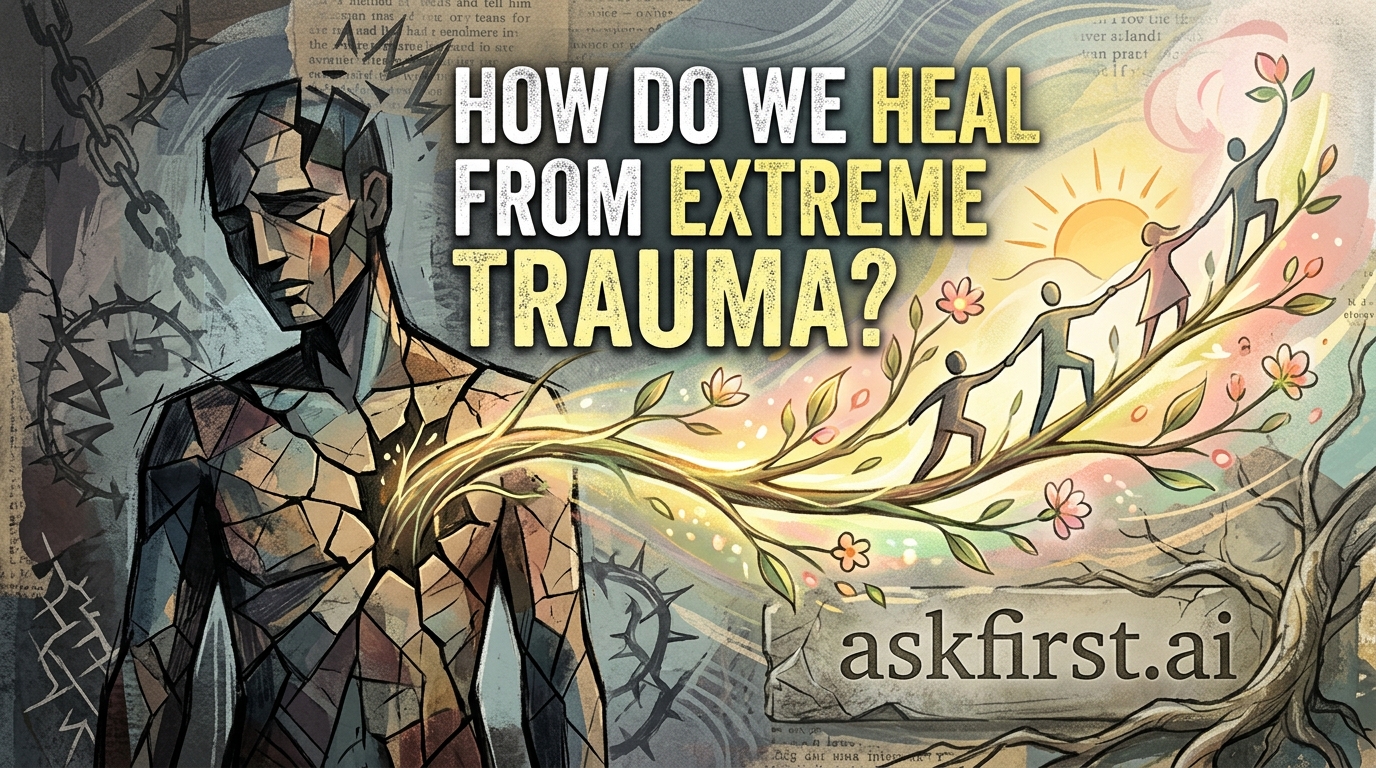
Healing from extreme trauma—often resulting from events like violence, natural disasters, or prolonged abuse—is a non-linear, multifaceted journey that requires psychological, physiological, and social intervention. Trauma fundamentally alters the nervous system, shifting the brain into a chronic state of "fight, flight, or freeze." Recovery is not about "forgetting" the past, but rather integrating traumatic memories so they no longer dictate the present.
1. Understanding the Neurobiology of Trauma
When an individual experiences extreme trauma, the amygdala (the brain’s alarm system) becomes hyperactive, while the prefrontal cortex (responsible for rational decision-making) often goes "offline." This disconnect makes it difficult to regulate emotions. Recovery begins by acknowledging that these symptoms are not character flaws but biological adaptations to abnormal circumstances.
2. Evidence-Based Therapeutic Modalities
There is no single "cure," but several therapies have shown clinical efficacy:
- EMDR (Eye Movement Desensitization and Reprocessing): This technique uses bilateral stimulation to help the brain reprocess traumatic memories, reducing their emotional charge.
- Somatic Experiencing (SE): Developed by Dr. Peter Levine, SE focuses on releasing pent-up "survival energy" stored in the body rather than just talking about the event.
- Trauma-Focused Cognitive Behavioral Therapy (TF-CBT): This approach helps individuals identify and challenge distorted thought patterns that emerged as a result of the trauma.
- DBT (Dialectical Behavior Therapy): Highly effective for emotional regulation, distress tolerance, and improving interpersonal relationships.
3. Practical Steps for Daily Stabilization
Healing requires creating a "container" of safety. Without physical and emotional safety, the nervous system cannot begin to repair itself.
- Establish Routine: Predictability signals safety to the brain. Consistent sleep, meal, and movement schedules are foundational.
- Grounding Techniques: Use the "5-4-3-2-1" method (identifying 5 things you see, 4 you can touch, 3 you hear, 2 you smell, 1 you taste) to pull the mind out of a flashback and back into the present.
- Mindful Somatic Regulation: Practices such as deep diaphragmatic breathing or progressive muscle relaxation help down-regulate the sympathetic nervous system.
- Boundaries: Learning to say "no" and defining physical/emotional limits is crucial for regaining a sense of personal agency.
4. The Role of Community and Connection
Isolation is the primary fuel for trauma. Research indicates that "co-regulation"—the ability to soothe one’s nervous system through the presence of a safe, calm other—is vital. Support groups, trauma-informed therapy, and healthy interpersonal relationships provide the social scaffolding necessary for long-term healing.
5. Pros, Cons, and Future Trends
Pros: Recovery leads to "Post-Traumatic Growth," where individuals report increased resilience, deeper empathy, and a greater appreciation for life.
Cons: The process is exhausting, expensive, and often involves revisiting painful memories, which can be temporarily destabilizing.
Future Trends: The medical community is increasingly exploring the use of psychedelic-assisted therapy (such as MDMA or psilocybin) under strict clinical supervision. Early studies suggest these substances may allow patients to process trauma without being re-traumatized by the intensity of the memories.
Healing is a marathon, not a sprint. It is a process of reclaiming the body and the mind, one day at a time, through patience, professional guidance, and self-compassion.