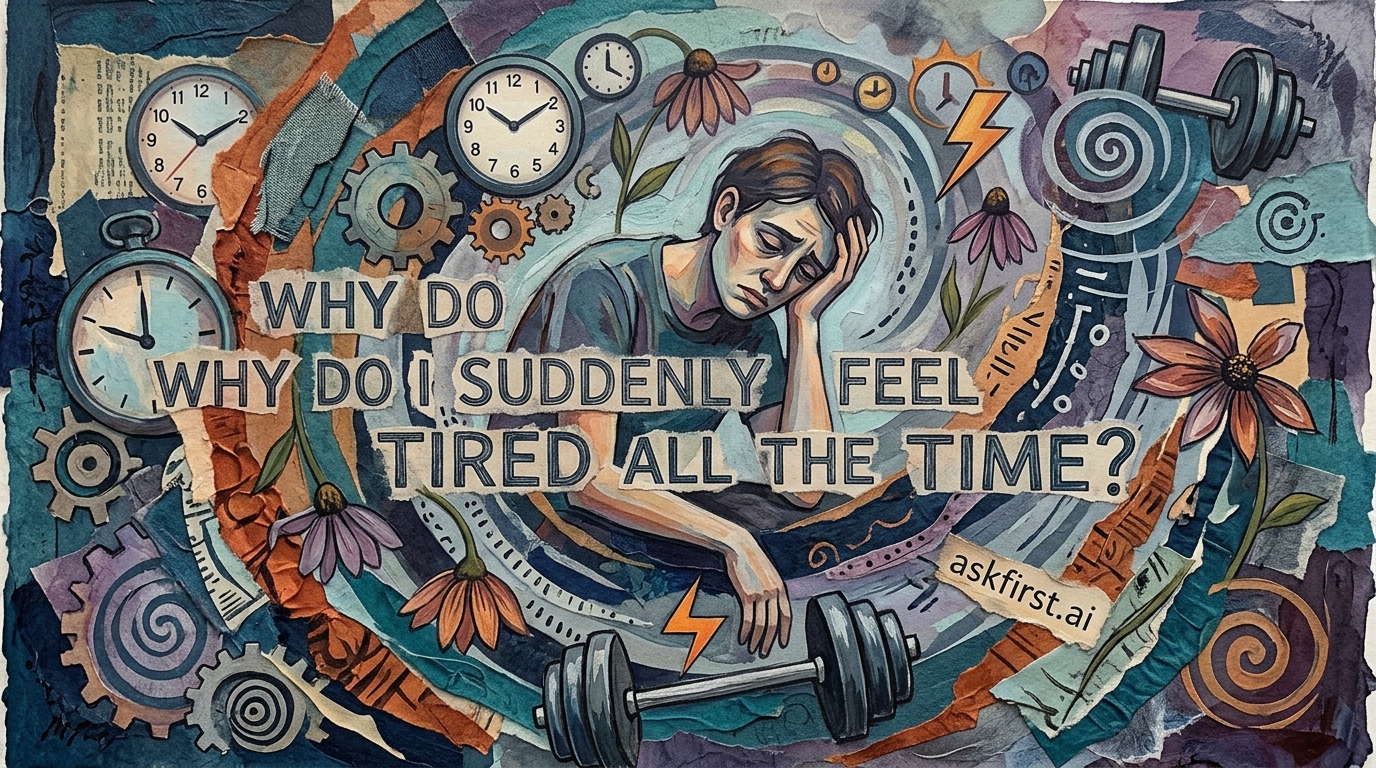
Experiencing persistent fatigue—often medically referred to as lethargy or malaise—is a multifaceted phenomenon that rarely stems from a single cause. When you find yourself suddenly exhausted despite maintaining a seemingly normal routine, your body is likely signaling a disruption in one of its primary homeostatic systems. Understanding why this occurs requires a systematic evaluation of lifestyle, physiological, and psychological factors.
1. The Disruption of Circadian Rhythms and Sleep Quality
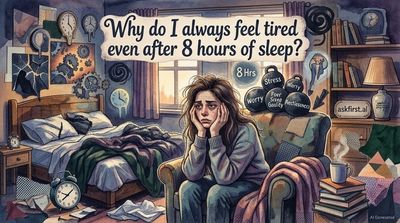
The most common culprit for sudden, unexplained fatigue is a degradation in sleep architecture. It is a misconception that "time in bed" equals "restorative sleep." You may be suffering from sleep fragmentation, where frequent, unnoticed micro-awakenings prevent you from reaching the deep, slow-wave sleep (SWS) and Rapid Eye Movement (REM) stages necessary for cognitive and physical recovery.
- Circadian Misalignment: If your sleep-wake schedule has shifted due to travel, shift work, or blue-light exposure from screens late at night, your melatonin production may be suppressed. This leaves you feeling "jet-lagged" even without leaving your time zone.
- Sleep Apnea: Even if you do not snore loudly, obstructive sleep apnea (OSA) can cause your airway to collapse partially during the night, forcing your brain to wake you up repeatedly to resume breathing. This leads to profound daytime sleepiness.
2. Nutritional Deficiencies and Metabolic Strain
Your body acts as a biochemical engine that requires precise fuel. A sudden drop in energy levels is frequently linked to specific deficiencies that impair mitochondrial function or oxygen transport.
- Iron Deficiency Anemia: Iron is essential for the production of hemoglobin, the protein in red blood cells that carries oxygen to your tissues. When iron levels dip, your organs are effectively starved of oxygen, leading to extreme fatigue, weakness, and shortness of breath.
- Vitamin B12 and Folate Deficiencies: These vitamins are crucial for DNA synthesis and the formation of red blood cells. A deficiency can lead to megaloblastic anemia, which presents as a pervasive, heavy lethargy.
- Blood Sugar Dysregulation: Frequent consumption of refined carbohydrates and high-glycemic index foods causes rapid spikes and subsequent crashes in blood glucose. Chronic insulin resistance can also make it difficult for your cells to utilize glucose effectively, resulting in a persistent energy deficit.
3. The Physiological Impact of Chronic Stress
The human body is not evolved to handle the prolonged "fight or flight" state induced by modern stressors. When you are under constant pressure, your hypothalamic-pituitary-adrenal (HPA) axis remains perpetually activated.
- Cortisol Overload: Persistent high levels of cortisol eventually lead to a "down-regulation" of the system. This can create a state of adrenal exhaustion, where your body loses the ability to mobilize energy stores effectively.
- Mental Fatigue: Cognitive load is metabolically expensive. Prolonged periods of intense decision-making, anxiety, or emotional turmoil consume significant glucose reserves, leaving you feeling physically drained even if you have been sedentary all day.
4. Underlying Medical Conditions
Sometimes, fatigue is the primary symptom of an underlying systemic issue. If your fatigue is accompanied by other symptoms, it is imperative to seek clinical diagnostics.
- Thyroid Dysfunction: Hypothyroidism (an underactive thyroid) slows down your metabolism significantly. Symptoms often include weight gain, cold intolerance, and a profound sense of sluggishness that does not improve with rest.
- Chronic Inflammation or Infection: Even low-grade, asymptomatic infections—such as a lingering viral load or chronic inflammation—can trigger the release of cytokines. These immune signaling molecules promote "sickness behavior," which includes lethargy and social withdrawal, as the body redirects energy toward immune defense.
- Autoimmune Responses: Conditions like Celiac disease or Rheumatoid Arthritis can manifest as extreme fatigue long before other localized symptoms become apparent, as the immune system remains in a state of hyper-vigilance.
5. Dehydration and Sedentary Behavior
It is often overlooked that fatigue is one of the first clinical signs of mild dehydration. When blood volume decreases due to fluid loss, the heart must work harder to pump blood throughout the body, increasing the metabolic cost of simple activities.
Furthermore, there is a paradoxical relationship between physical activity and energy. A sedentary lifestyle leads to a decrease in mitochondrial density within your muscle cells. Essentially, the less you move, the less efficient your body becomes at producing ATP (adenosine triphosphate), the cellular energy currency. Consequently, you feel more tired precisely because you are doing less.
Actionable Steps for Assessment
If this fatigue has persisted for more than two weeks, consider the following approach:
- Track Your "Energy Budget": Keep a log of what you eat, when you sleep, and your stress levels to identify correlations.
- Blood Panel Analysis: Consult a physician to check your CBC (Complete Blood Count), ferritin levels, thyroid-stimulating hormone (TSH), and Vitamin B12/D levels.
- Optimize Sleep Hygiene: Eliminate screens 60 minutes before bed, ensure your room is cool (around 65°F/18°C), and maintain a strictly consistent wake-up time.
If the fatigue is sudden, severe, or accompanied by chest pain, dizziness, or confusion, it should be treated as a medical priority rather than a lifestyle issue.