Navigating the Psychological and Practical Landscape of Unemployment
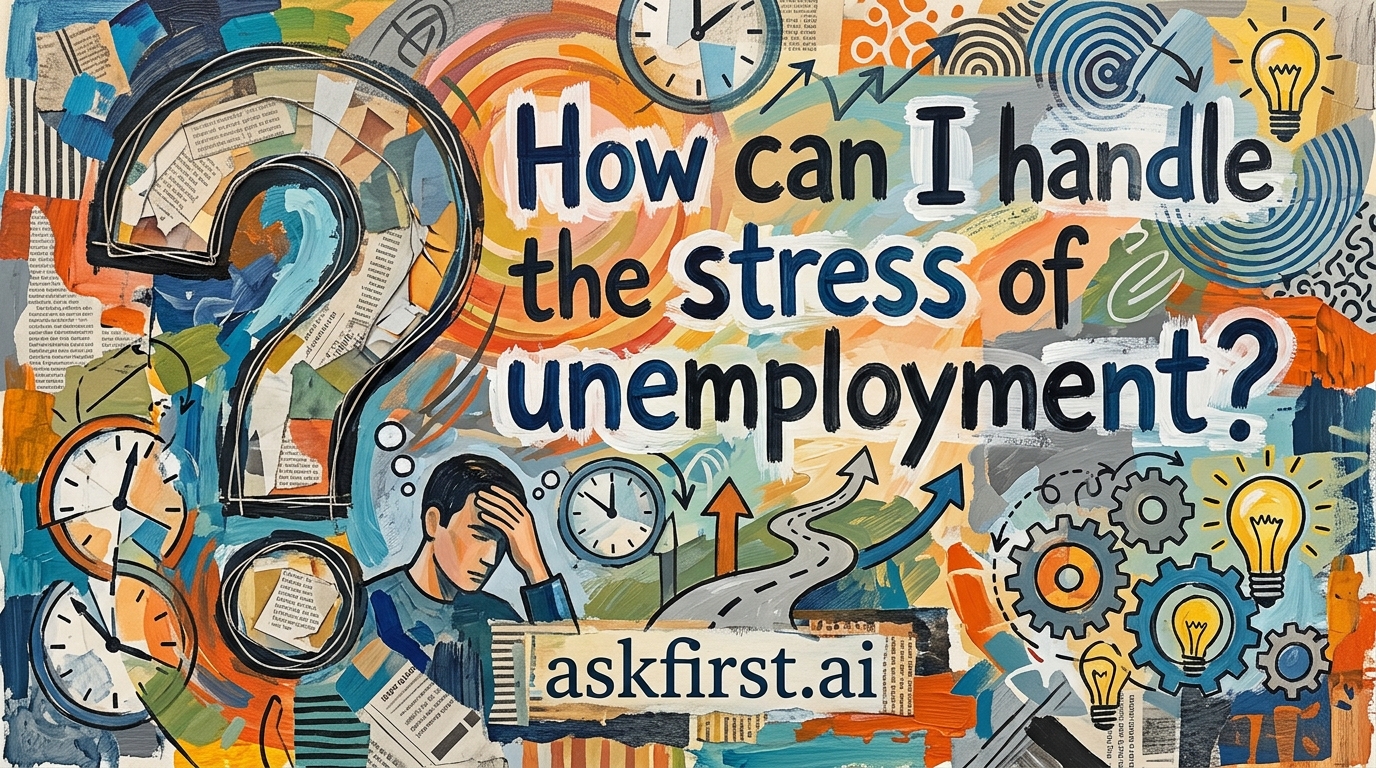
Unemployment is widely recognized by mental health professionals as one of the most significant life stressors a person can encounter. It is not merely a financial challenge; it is a profound disruption to one’s identity, daily structure, and social standing. When the familiar rhythm of a career is abruptly halted, the human brain—which thrives on predictability—often enters a state of high-alert, triggering cortisol spikes and anxiety. Managing this period requires a dual approach: a tactical strategy for career progression and a robust psychological framework for emotional resilience.
The Architecture of Daily Structure
One of the most immediate casualties of job loss is the loss of structure. Without the external mandate of a 9-to-5 schedule, time can become amorphous, leading to feelings of aimlessness and lethargy. In his seminal book, Man’s Search for Meaning, psychiatrist Viktor Frankl emphasizes that humans are driven by a "will to meaning." When professional meaning is temporarily removed, you must construct a "micro-structure" to replace it.
- The Morning Anchor: Wake up at a consistent time every single day. The temptation to "sleep in" is a psychological trap that signals to your brain that your day has no purpose. Treat your job search as your new job.
- Time-Blocking: Divide your day into specific segments. Dedicate the morning hours (when cognitive function is typically highest) to high-effort activities like deep research, skill acquisition, or networking. Use the afternoons for administrative tasks, such as tailoring resumes or tracking applications.
- The "End of Day" Ritual: Just as you would leave an office, create a firm boundary for when the "work" of job searching ends. This prevents the pervasive feeling that you are "always on," which is a primary driver of burnout.
Managing the Physiology of Stress
Stress is not just a mental state; it is a physiological event. When you are unemployed, the body remains in a sympathetic nervous system state—the "fight or flight" response. To counteract this, you must physically signal safety to your nervous system.
Dr. Bessel van der Kolk, in his groundbreaking work The Body Keeps the Score, explains that trauma and chronic stress reside in the body. You cannot "think" your way out of a nervous system that is stuck in a stress loop. You must use physical interventions:
- Aerobic Exercise: High-intensity movement is the most effective way to burn off excess adrenaline. Aim for at least 30 minutes of elevated heart rate activity daily.
- Social Connection: Isolation is the silent amplifier of unemployment stress. Reach out to peers, mentors, or former colleagues. Even if you do not want to discuss your job search, the act of maintaining professional and social bonds prevents the erosion of your professional identity.
- Mindfulness and Grounding: Incorporate simple breathwork, such as the "4-7-8" technique, to downregulate your stress response during moments of acute anxiety, such as before an interview or while opening a rejection email.
Reframing the Narrative: Identity vs. Employment
A common pitfall is the conflation of "what I do" with "who I am." In Western culture, the first question we ask a stranger is, "What do you do?" When you are unemployed, that answer feels like a failure.
You must decouple your inherent value from your employment status. This is a cognitive reframing exercise. Instead of viewing yourself as "unemployed," view yourself as "in professional transition." This shift in language changes your internal narrative from one of deficiency to one of agency.
Consider the perspective offered by Cal Newport in his book So Good They Can't Ignore You. He argues that career satisfaction is built through the accumulation of "career capital"—the rare and valuable skills you bring to the marketplace. Your current period of unemployment is an opportunity to acquire new capital. If you spend this time learning a new software, earning a certification, or refining your public speaking skills, you are not "wasting time"—you are investing in your future market value.
Strategic Financial and Career Stewardship
Anxiety often stems from the fear of the unknown—specifically, the unknown of your financial runway.
- Audit Your Constraints: Create a "survival budget." Identify non-essential expenses and prune them immediately. Knowing exactly how many months you can survive provides a form of psychological security.
- The Networking Pivot: Do not spend 100% of your time applying to online portals, which often yield low returns. Spend 70% of your time on "warm" networking—reaching out to people in your industry for informational interviews. This fosters a sense of community and increases your chances of finding hidden opportunities.
Conclusion
The stress of unemployment is a formidable adversary, but it is also a temporary season. By treating your time with the same rigor you would apply to a high-stakes project, you maintain your psychological health and keep your skills sharp. Remember that your professional value is not a static number—it is a dynamic asset that you continue to build, even when you aren't on a payroll. Focus on the variables you can control: your physical health, your daily schedule, and the deliberate acquisition of new skills. By doing so, you transform a period of potential stagnation into a strategic pivot point that will ultimately lead to a more resilient and capable version of your professional self.