The Science of Shared Cinematic Experiences
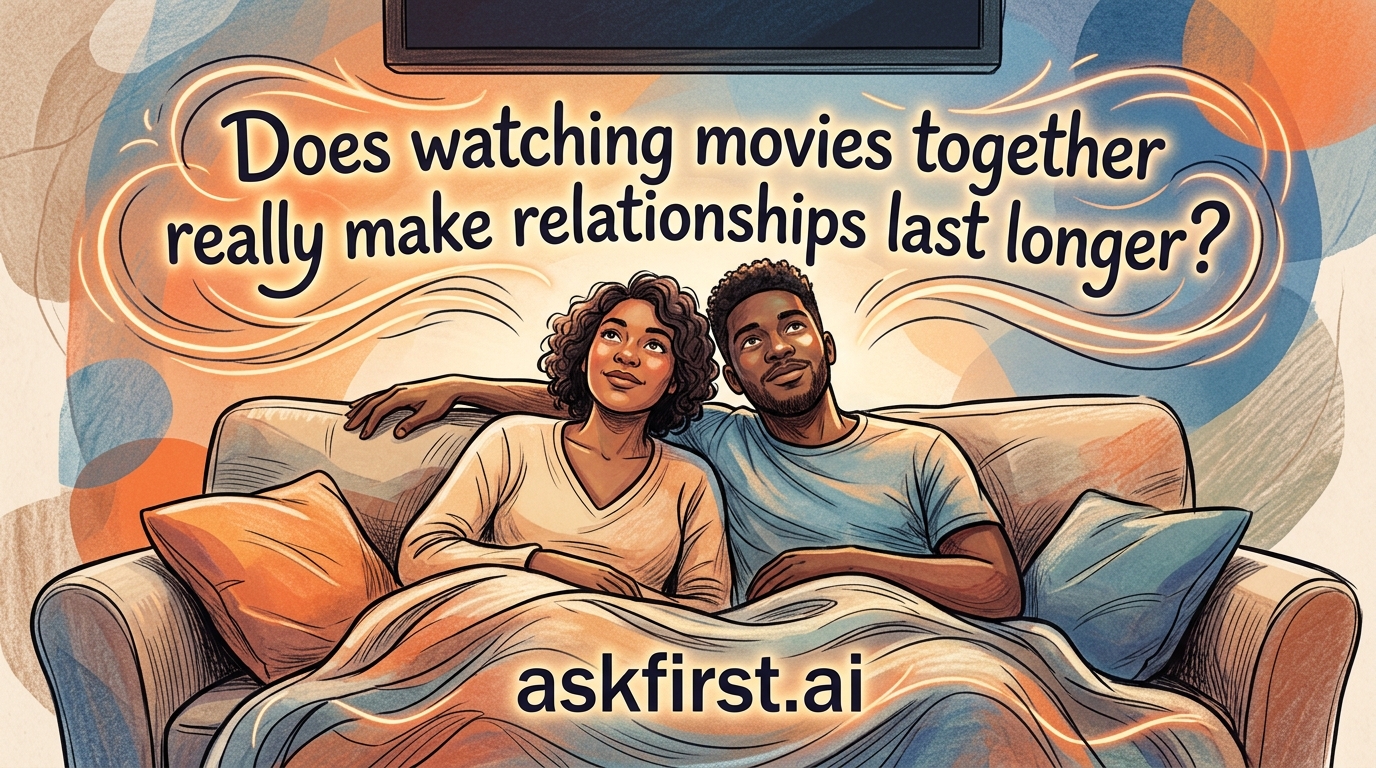
Recent psychological research suggests that the simple act of watching movies together is far more than mere entertainment. It acts as a powerful bonding mechanism that can fundamentally reshape the trajectory of long-term relationships. While it may appear passive, the process of co-viewing involves complex neurological and emotional synchronization. When two people engage with the same narrative, they often enter a state of emotional resonance, where their physiological responses—such as heart rate and skin conductance—begin to mirror one another. This synchronization fosters a deeper sense of intimacy and mutual understanding, providing a low-stakes environment to discuss complex themes and values.
The Relationship-Enhancement Effect
According to a foundational study conducted at the University of Rochester, couples who regularly discussed movies they had watched together experienced significantly lower divorce and separation rates. The core reason lies in the 'distanced reflection' technique. It is often daunting for partners to discuss their own personal disagreements, relationship flaws, or differing values directly. Movies serve as a surrogate: by analyzing the characters on screen, couples can explore challenging interpersonal dynamics without the threat of personal judgment. This allows partners to talk about honesty, forgiveness, and communication strategies in a neutral, third-party setting. This practice builds a repertoire of shared values that can be referenced later in real-world conflicts.
Building a Shared 'Universe'
Couples who view film consumption as a ritualistic activity tend to report higher relationship satisfaction. This is rooted in the concept of 'relational maintenance.' By setting aside dedicated time for a shared activity, partners demonstrate commitment and prioritize the maintenance of their emotional connection. Over months and years, this builds a shared lexicon—internal jokes, referenced scenes, and emotional associations—that becomes exclusive to that specific dyad. This 'shared universe' serves as an emotional buffer during turbulent times, reinforcing the identity of the couple as a distinct, unified entity.
Psychological Benefits of Narrative Co-Consumption
Emotional Regulation: Sharing a moving or suspenseful narrative helps partners calibrate their emotional states together. This collective regulation strengthens the attachment bond.
Perspective Taking: Watching a film often forces viewers to empathize with differing character perspectives. Practicing this empathy within a safe, shared experience translates into increased patience and perspective-taking during real-life disagreements.
Conflict De-escalation: When a couple engages in 'cinematic therapy,' the tension associated with discussing relationship problems is diffused. By using the screen as a mirror, they create a constructive space for introspection.
Practical Implementation for Lasting Impact
To maximize the benefits of this practice, it is recommended that couples go beyond silent viewing. The transformative power lies in the post-viewing discussion. Ask meaningful questions such as:
- 'How would you have handled that character’s choice?'
- 'What does that scene reveal about how they value their partner?'
- 'Does this plot reflect something we have experienced?'
By framing movies as opportunities for discourse rather than just passive consumption, partners transform their leisure time into a sophisticated tool for relational growth. It is important to note that the genre matters less than the intentionality of the engagement. Whether it is an intense psychological thriller, a lighthearted comedy, or a thought-provoking documentary, the value resides in the mutual emotional journey.
Conclusion: A Foundation for the Future
As modern life becomes increasingly fragmented, the deliberate cultivation of shared time is essential for the sustainability of long-term unions. Watching movies provides a rare, accessible, and scientifically backed method for couples to stay aligned. By integrating this ritual into their routines, partners foster an atmosphere of curiosity and mutual discovery that can sustain a relationship for decades. It is not just about the film itself, but about the conversations sparked, the memories formed, and the emotional resonance created during those quiet hours on the couch. Ultimately, these small, consistent efforts become the foundation upon which resilient, lasting partnerships are built. Investing in these moments ensures that the emotional architecture of the relationship remains robust, adaptable, and deeply connected, regardless of the challenges life may present in the years to come.