The Psychology of Workplace Intimacy
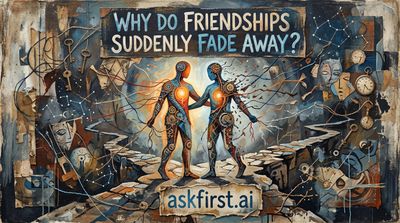
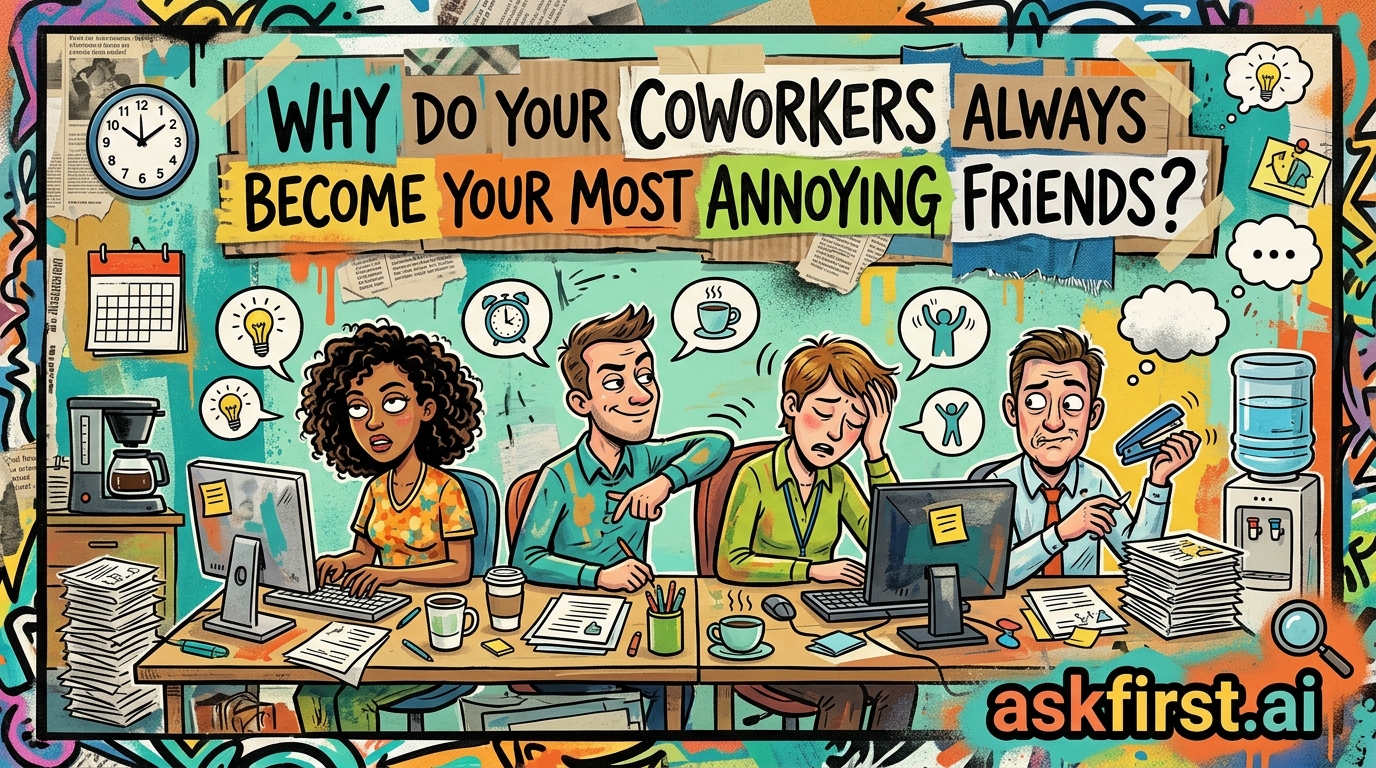
The phenomenon of workplace relationships evolving into deeply familiar yet paradoxically frustrating bonds is a staple of modern professional life. This duality occurs because the workplace acts as an intense crucible of human interaction, combining high-pressure environments, shared stressors, and the forced proximity of individuals from vastly different walks of life. Psychologists often point to the Mere Exposure Effect, a psychological phenomenon where people tend to develop a preference for things or people merely because they are familiar with them. However, when exposure is mandatory rather than voluntary, the constant presence of a peer can lead to sensory and social fatigue, transforming a 'work bestie' into an object of irritation.
The Proximity Paradox
Human beings are social creatures who crave autonomy. In a professional setting, the loss of autonomy regarding who one spends eight hours a day with creates a unique strain. When forced to navigate the same repetitive tasks, meetings, and office politics, the minor quirks of a coworker—such as persistent pen-clicking, distinct coffee preferences, or specific communication styles—are amplified under the lens of constant observation. This is known as Hyper-Familiarity Syndrome. Over time, these small behaviors, which might be charming in a casual acquaintance, become grating irritants because the brain begins to filter them as potential disruptions to professional focus.
Shared Stress as a Catalyst
Co-workers are often united by the 'trench mentality.' Facing tight deadlines or demanding clients fosters a sense of camaraderie that can feel more intense than friendships formed through leisurely activities. This intensity is both a blessing and a curse. Because the bond is forged in the fire of high-stakes pressure, it carries a sense of profound loyalty, but the moment a colleague diverges from the shared mission or expresses an opinion contrary to the group’s survival strategy, it is perceived as a personal betrayal. This cycle of intense reliance followed by friction is what characterizes the most volatile office friendships.
The Blurring of Professional and Personal Boundaries
In the digital age, the lines between 'colleague' and 'confidant' have become increasingly porous. Messaging platforms, shared lunch hours, and post-work social events create a scenario where one is constantly 'on.' According to organizational behavior experts, this creates Emotional Labor Overload. When a coworker becomes a friend, they often become a sounding board for venting about professional frustrations. Eventually, the friendship becomes exclusively associated with these negative emotional outlets. Consequently, the colleague becomes a walking reminder of work stress, leading to a reflexive feeling of annoyance whenever that person appears, even outside of office hours.
Strategies for Maintaining Balanced Workplace Relationships
To navigate the complexity of workplace friendships without the inevitable drift into irritation, professionals should consider several strategic approaches:
- Maintain Explicit Boundaries: Distinguish clearly between work-related topics and personal life. Reserve certain subjects for friends entirely outside of the professional sphere.
- Prioritize Independent Socialization: Ensure that personal growth and friendships are cultivated outside the workplace to avoid relying solely on colleagues for emotional fulfillment.
- Practice Mindful Observation: Recognizing that annoyance is often a symptom of one's own stress or lack of personal space can help de-escalate emotional reactions to a colleague's minor habits.
- The 5-Minute Rule: If a interaction becomes draining, utilize a polite, exit-oriented communication style to return to independent focus, effectively resetting the 'proximity clock.'
The Evolutionary Perspective
From an evolutionary standpoint, humans are hardwired to thrive in tribal groups where cooperation is essential. The modern office is a distorted version of these tribal groupings. Where ancient tribes had clear roles and distinct breaks in activity, the modern worker lives in a state of perpetual engagement. The 'annoying friend' is not necessarily a failure of personality, but a mismatch between our biological need for privacy and the industrial requirement for constant collaboration. Understanding that this frustration is a natural outcome of institutional design rather than a moral failure allows for a more objective, and ultimately healthier, approach to office relationships. By treating these bonds as specific, contextual friendships rather than holistic life-friendships, the potential for resentment is greatly reduced, leaving the professional bond intact and the personal frustration at a manageable level.