The Psychology of Cinematic Divergence
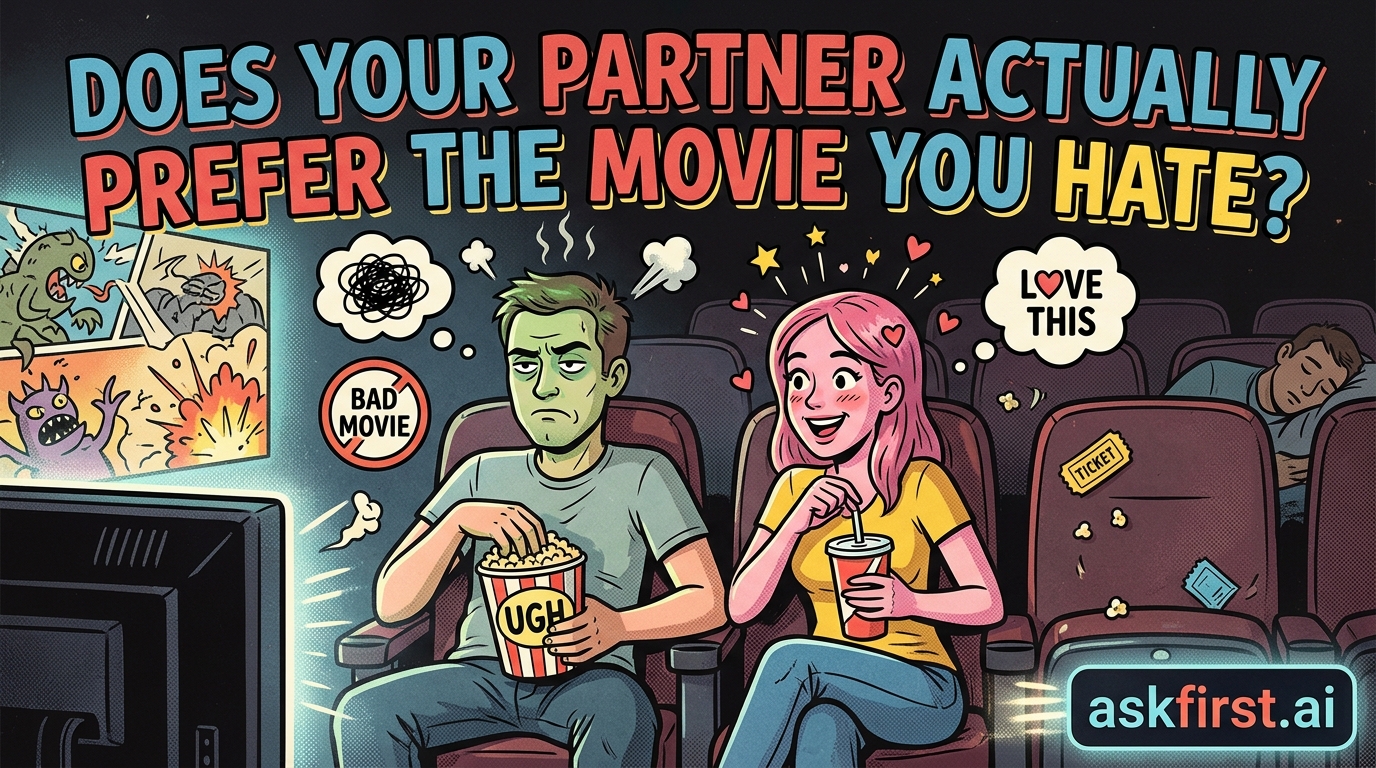
It is a common scenario in relationships: one partner finds a film utterly repulsive, boring, or nonsensical, while the other defends it with surprising passion. Understanding why partners often have diametrically opposed reactions to the same piece of media requires delving into the psychology of aesthetic preference and identity formation. Preferences are rarely random; they are deeply rooted in individual personality traits, emotional associations, and cognitive styles.
The Role of Personality Traits
Psychological research, such as the Big Five personality model, suggests that openness to experience is a significant predictor of film taste. Individuals high in 'openness' often seek out complex, abstract, or avant-garde cinema that challenges the viewer. Conversely, those lower in this trait might prefer structured, predictable, or high-octane entertainment that provides emotional comfort rather than cognitive friction. When a partner enjoys a film another hates, it may simply be a byproduct of these stable personality differences. The 'hated' film might represent an adventurous creative risk that one person finds refreshing, while the other finds it incoherent or ungrounded.
The Power of Emotional Association
Cinematic preference is often linked to memory and formative experiences. If a specific movie was playing during a period of joy, discovery, or personal growth, an individual will likely view that film through a positive lens, regardless of its objective 'quality' or critical reception. If the partner who loves the movie has deep-seated nostalgic ties to the narrative, music, or style of that film, their enjoyment is experiential rather than analytical. The partner who hates the film lacks those neurobiological connections, viewing the work in a vacuum, which creates the disparity in judgment.
Cognitive Framing and Social Identity
Social identity theory posits that we often categorize ourselves as part of specific 'tribes' based on our tastes. A fan of 'trashy' B-movies or cult classics might use their preference as a way to signal their authenticity or counter-cultural values. When a partner dislikes this film, it can feel like a direct attack on their internal identity. Recognizing that these preferences are often tied to self-concept is essential for maintaining relationship harmony. The disagreement over a movie is seldom just about the film; it is about how each person filters reality through their specific value system.
How to Navigate Cinematic Disagreements
To resolve or understand these clashes, consider the following strategies:
- Active Inquiry: Instead of dismissing a partner's preference, ask, 'What does this film make you feel?' rather than 'Why do you like this bad movie?' This shifts the conversation from debate to discovery.
- Perspective-Taking: Attempt to watch the film from the lens of the other person. If they value visual spectacle, look for the technical achievements. If they value emotional storytelling, look for character motivations.
- Categorization: Recognize that different movies serve different functions. One film might be for critical intellectual stimulation, while another is for mindless relaxation. A partner might hate a movie as 'art' but enjoy it as 'escapism'.
The Evolution of Taste
It is important to note that taste is not static. Throughout a lifetime, preferences shift as people experience new milestones. A movie viewed as a 'masterpiece' at twenty-five might seem vapid at forty, and vice versa. Disagreements over cinema are often glimpses into the evolving identity of a partner. Rather than seeing a conflicting opinion as a flaw in compatibility, it should be viewed as an opportunity to understand the unique psychological map of the person one is with.
Embracing the Divergence
Ultimately, total alignment in aesthetic taste is not a requirement for a successful relationship. In fact, a bit of friction can lead to more interesting discussions and a better understanding of individual distinctiveness. The next time a partner expresses unbridled love for a film that feels unbearable to watch, remember that they are seeing a version of that world that remains invisible to everyone else—and that is a fascinating detail about the complexity of the human mind.