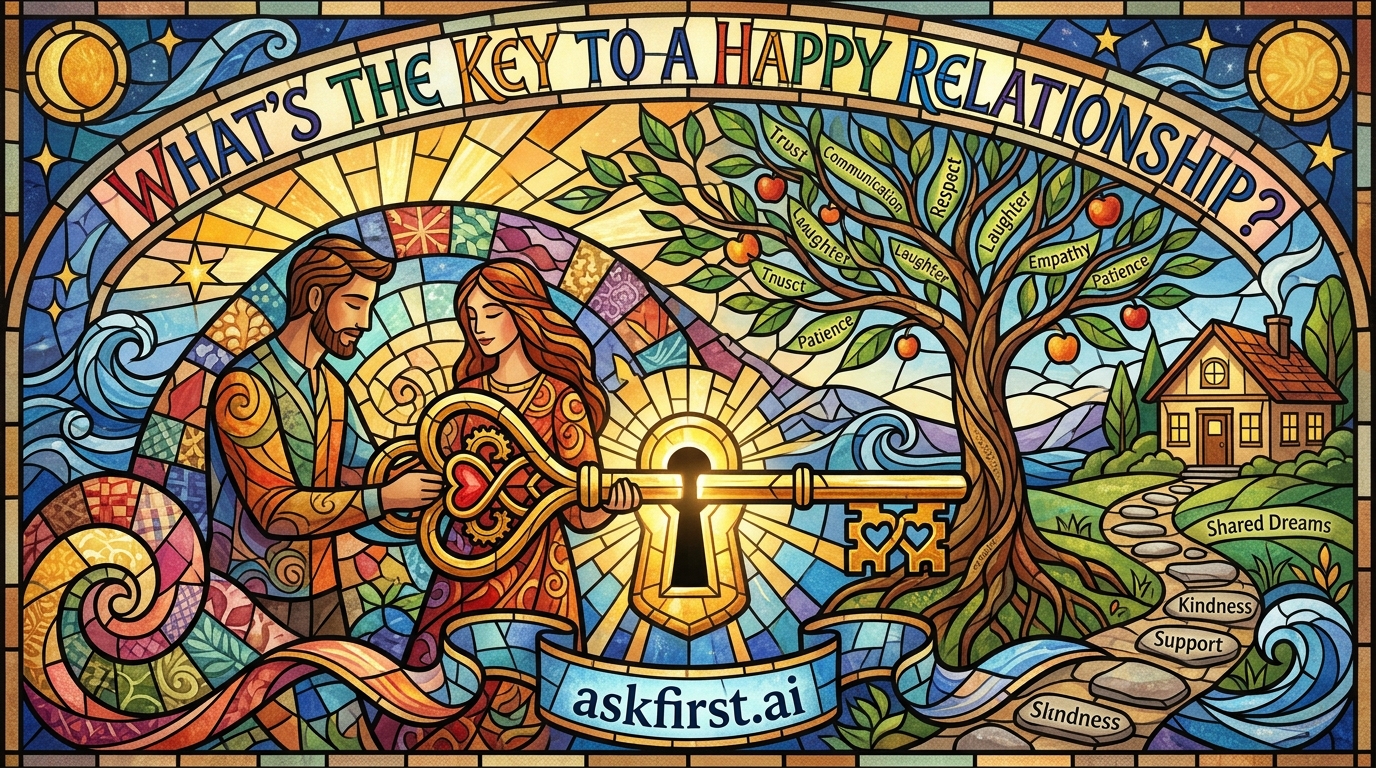
The pursuit of a fulfilling, enduring partnership is perhaps the most complex yet rewarding endeavor a human can undertake. While pop culture often reduces love to mere chemistry or "finding the one," psychological research and decades of clinical observation suggest that happiness in a relationship is not a static destination, but a dynamic, skill-based practice. It is built upon a foundation of intentionality, emotional intelligence, and the structural maintenance of the bond between two individuals.
The Foundation of Emotional Intelligence and Attunement
The cornerstone of a happy relationship is what Dr. John Gottman, co-founder of The Gottman Institute and author of The Seven Principles for Making Marriage Work, terms "emotional attunement." In his extensive research conducted at the University of Washington’s "Love Lab," Gottman identified that the happiest couples are those who respond to "bids" for connection. A bid can be as subtle as a partner pointing out a bird in the sky or mentioning a stressful work email. When a partner turns toward that bid—acknowledging it with interest or empathy—they are building a "culture of appreciation."
Conversely, turning away or turning against these bids creates emotional distance. To foster happiness, one must cultivate a habit of noticing the positive. In his book The Happiness Hypothesis, psychologist Jonathan Haidt explains that the human brain has a "negativity bias," meaning we are wired to notice what is wrong rather than what is right. Happy couples consciously counteract this by maintaining a ratio of at least five positive interactions for every one negative interaction during conflict.
Effective Conflict Resolution: The "Softened Startup"
Conflict is inevitable in any long-term union; however, the presence of conflict does not predict failure. Rather, the manner in which partners argue determines the outcome. Dr. Sue Johnson, the developer of Emotionally Focused Therapy (EFT) and author of Hold Me Tight, argues that most fights are not about the dishes or the finances—they are about attachment security. When a partner feels ignored or criticized, they often lash out or withdraw, triggering a cycle of protest.
To break this cycle, successful couples utilize what Gottman calls a "softened startup." Instead of beginning a conversation with a harsh critique ("You never help around here!"), they start with their own feelings and a positive need ("I’m feeling overwhelmed with the house and would really appreciate some help tonight"). This shifts the dynamic from an adversarial battle to a collaborative problem-solving session. By addressing the underlying fear of abandonment or inadequacy, couples transform conflict into an opportunity for deeper intimacy.
The Role of Novelty and Shared Growth
Happiness often stagnates when a relationship becomes purely functional—focused solely on logistics like bills, chores, and schedules. To maintain long-term satisfaction, couples must intentionally cultivate novelty. In Mating in Captivity, Esther Perel explores the paradox of desire: we crave the security of a committed relationship, but we also crave the mystery and excitement of the unknown.
Perel suggests that couples who remain happy over decades are those who continue to see their partners as individuals with their own internal worlds. By pursuing personal interests and then sharing those experiences with one another, partners prevent the "fusion" that often leads to boredom. Engaging in new activities together—traveling to unfamiliar places, learning a new skill, or even just changing the routine of a date night—releases dopamine and norepinephrine, the same chemicals present in the early stages of romantic love.
Radical Transparency and Shared Meaning
A truly resilient relationship is also built on a shared sense of meaning. This involves aligning on core values—how to raise children, how to spend money, and what the purpose of the partnership is beyond the individuals involved. When couples create "rituals of connection," such as daily coffee together, weekly check-ins, or annual traditions, they create a unique subculture that binds them together against the external pressures of the world.
Furthermore, radical transparency regarding emotional needs is essential. Many people operate under the mistaken belief that a "perfect" partner should intuitively know what they need. This is a recipe for resentment. As clinical psychologist Dr. Harriet Lerner highlights in The Dance of Anger, clarity in communication is an act of love. Expressing needs clearly, without blame, allows the partner to succeed in meeting them.
Conclusion: The Commitment to Maintenance
Ultimately, the key to a happy relationship is the recognition that love is a verb, not a noun. It is a commitment to show up, even when the initial spark has dimmed, and to do the labor of understanding one another anew each day. Happiness arises when two people decide that their bond is the most important project in their lives and treat it with the care, curiosity, and respect that such a project demands. By prioritizing emotional attunement, mastering the art of constructive conflict, embracing novelty, and maintaining a shared sense of meaning, couples can build a partnership that is not only happy but profoundly transformative.