The Psychology of Cinematic Immersion: Solitude vs. Social Viewing
Choosing between solitary viewing and social cinema experiences is more than a matter of logistics; it is a fundamental debate about how the human brain processes narrative, emotion, and empathy. Both modalities offer distinct neuro-psychological benefits that cater to different dimensions of human experience. Understanding the distinction helps viewers curate their cinematic lives for maximum impact.
The Case for Solitude: Deep Immersion and Cognitive Integration
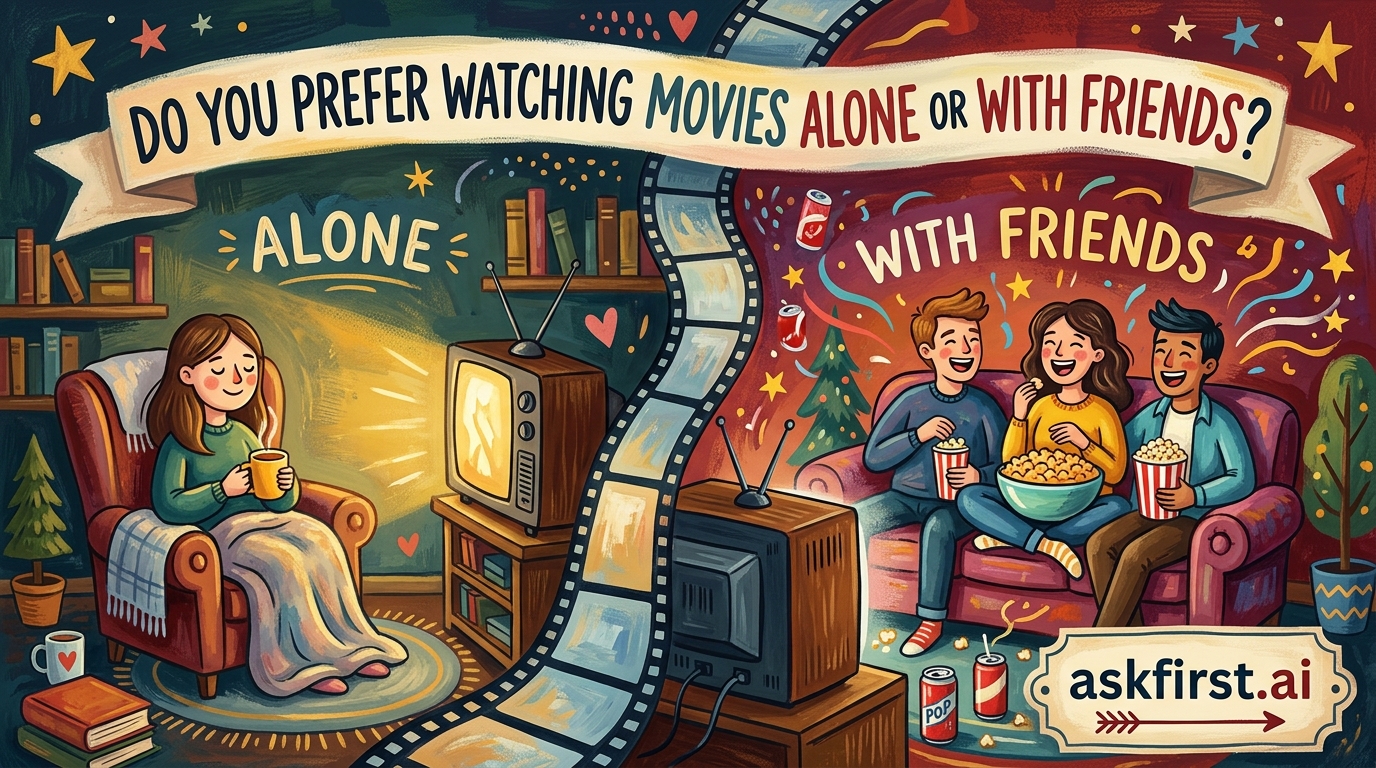
Watching movies alone facilitates a state often described by psychologists as "flow." In this state, the viewer reaches a level of total absorption where the separation between the individual and the narrative dissolves. Research in cognitive psychology suggests that when an individual experiences a film without external social cues, they are better able to engage in deep, internal emotional processing.
- Unrestricted Emotional Expression: Without the implicit social pressure to maintain a certain outward demeanor, viewers can fully surrender to the emotional weight of a film—whether through laughter, sorrow, or awe. This allows for a deeper cathartic experience.
- Cognitive Focus: Removing the distractions of peer-to-peer dialogue allows the brain to track complex plot intricacies, subtle visual storytelling, and nuanced thematic layers. This is essential for appreciate artistic films where every frame contains intentional narrative data.
- Self-Discovery: Films act as mirrors. Solitude provides the silence necessary to reflect on how a narrative connects to personal beliefs, past experiences, and future aspirations without the filter of another person's reaction.
The Case for Social Viewing: Co-Regulation and Shared Meaning
Viewing a movie with friends or family activates the social brain. Humans are inherently social beings, and the act of shared attention—known in psychology as "joint attention"—enhances emotional arousal. When a person laughs or gasps in a group, those reactions are amplified, a phenomenon known as emotional contagion.
- Social Bonding and Co-Regulation: Watching a movie together acts as a social glue. The physiological process of co-regulation occurs when nervous systems align in response to shared stimuli. This strengthens interpersonal bonds and creates a shared repository of cultural references, effectively acting as a form of social bonding.
- The Feedback Loop: Engaging in post-movie discussions allows for a secondary layer of cognitive engagement. By articulating thoughts, listeners and speakers consolidate their understanding of the plot and characters, leading to a richer overall appraisal of the film's artistic merits.
- Reduced Anxiety: For high-intensity genres like horror or thriller, the presence of others acts as a safety anchor. This lowers the cortisol response and allows the viewer to enjoy the adrenaline rush of the narrative without experiencing genuine distress, as the social environment provides a secure baseline.
Navigating the Optimal Choice: A Framework
To determine the best approach, one should consider the primary goal of the session. If the objective is to analyze a complex narrative or undergo a profound emotional shift, the solitary route is often superior. If the goal is community building, light entertainment, or shared discovery, social viewing is the gold standard.
Key factors for decision making:
- Complexity Level: High-concept science fiction or arthouse cinema demands the undivided attention typically found in solitude.
- The Genre Expectation: Comedies and blockbusters are frequently designed with a 'call-and-response' structure intended for group reactions.
- Post-Screening Intent: Does the viewer want to live with the film privately, or do they want to unpack it through the lens of a broader conversation?
Conclusion: The Dualistic Nature of Cinema
Ultimately, the choice does not have to be binary. The modern cinemagoer benefits most from a strategic balance. Utilizing solo viewing as an introspective tool and group viewing as a social anchor leverages the full spectrum of human interaction. Science suggests that while we are individuals, our ability to interpret meaning is sharpened both by the depth of our inner reflection and the diversity of our outer dialogue. By treating cinema as both a private meditation and a public square, viewers maximize the profound psychological return of the medium.