The Cinematic Blueprint of Love
Romantic comedies, commonly referred to as "rom-coms," serve as more than just lighthearted entertainment; they function as a subconscious architect for societal expectations regarding romance. While these films are ostensibly designed for escapism, psychological research suggests that audiences frequently integrate the tropes and narratives presented on screen into their own internal scripts for dating and partnership. This phenomenon is often rooted in a psychological concept known as 'cultivation theory,' which posits that long-term exposure to media shapes how consumers perceive reality.
The Myth of 'Destiny' and 'The One'
One of the most prevalent tropes in romantic comedies is the concept of predestined love or 'the one.' Films often depict a series of serendipitous, and occasionally stalker-like, encounters as proof that two individuals are meant to be together. In reality, this promotes a mindset of 'destiny beliefs'—the assumption that a relationship should be inherently easy if two people are soulmates. Experts in relationship psychology, such as Dr. C. Raymond Knee, have identified that individuals who subscribe to destiny beliefs are significantly more likely to abandon relationships at the first sign of conflict. When the reality of a partnership requires hard work, communication, and compromise, those primed by rom-coms may interpret these natural friction points as proof that they are with the 'wrong' person.
The 'Grand Gesture' Fallacy
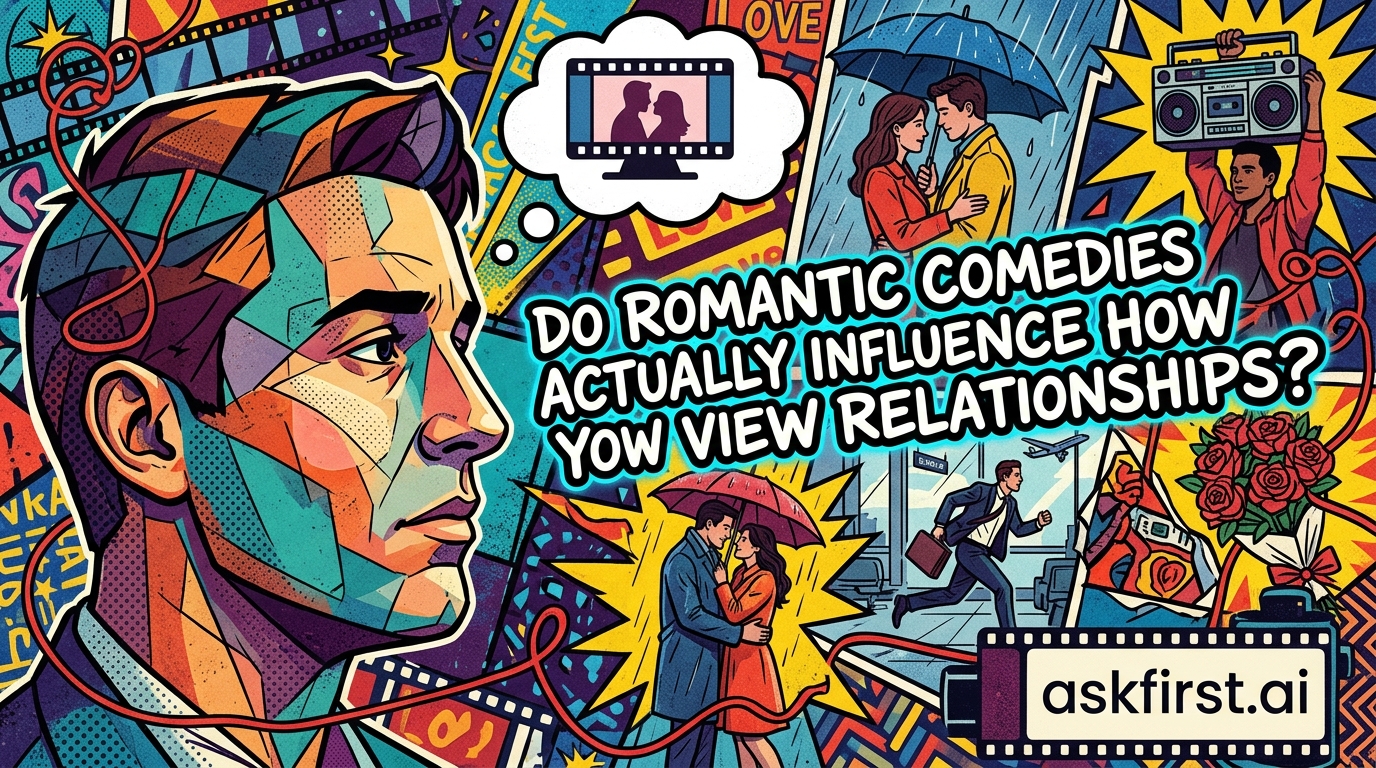
Rom-coms thrive on the 'grand gesture'—the public declaration of love, the mad dash through an airport, or the climactic speech during a wedding. These moments create a distorted benchmark for relationship health. By equating love with dramatic, cinematic displays, viewers may inadvertently devalue the quiet, consistent labor of affection—acts like active listening, shared chores, or reliable emotional support. When real-world partners fail to replicate the hyper-theatricality of a screenplay, it can lead to feelings of inadequacy or the perception that the relationship lacks passion, even when the underlying emotional bond is stable and healthy.
Conflict Resolution and the 'Change' Narrative
Perhaps the most dangerous narrative found in romantic comedies is the idea that love is a transformative force capable of changing an individual's core personality. Characters often undergo radical behavioral shifts to win over their interest, or conversely, stay with a partner who exhibits problematic traits in the hope that their own devotion will eventually reform them. This fosters an unrealistic expectation of partner malleability. In psychological practice, the 'ideal' relationship is based on acceptance rather than the hope of fundamental personality modification. Promoting the narrative that 'love conquers all'—including incompatibility, poor communication habits, or toxic traits—sets individuals up for chronic disappointment and emotional burnout.
The Media Influence Spectrum
It is essential to recognize that not every viewer is influenced equally. The impact of rom-coms on relationship views depends on several variables:
- Engagement Levels: Viewers who are emotionally invested in the characters are more likely to internalize their behavioral patterns.
- Relationship Experience: Individuals with less real-world relationship experience often rely more heavily on fictional media as a template for 'how things should be.'
- Critical Consumption: Those who engage with film through a critical, analytical lens are better able to separate fantasy from the practical necessities of a functional long-term partnership.
Navigating the Influence
To mitigate the potentially negative impact of these cinematic tropes, it is beneficial to practice 'media literacy.' This involves acknowledging the artistic license inherent in filmmaking. Directors and writers prioritize emotional payoff over realistic conflict resolution because the former is more visually and narratively compelling. Understanding that a 90-minute film is a curated sequence of events—rather than a roadmap for human interaction—is the key to enjoying the genre without sacrificing one's own relationship satisfaction. Instead of using films as a guide, individuals are encouraged to foster relationships based on clear communication, shared values, and mutual respect, rather than the search for cinematic perfection.
Conclusion
Romantic comedies are a staple of global culture, and they offer a delightful escape from the mundane. However, their influence on interpersonal perceptions is undeniable. By understanding the psychology behind why these films resonate so deeply—and recognizing the inherent distortions they present—individuals can continue to appreciate the artistry of the genre while maintaining a grounded, healthy, and realistic approach to their own personal connections. Real love is rarely a grand gesture at an airport; it is usually a series of quiet, deliberate choices made every single day.