The Philosophy of Small Luxuries: Why Rituals Sustain the Human Spirit
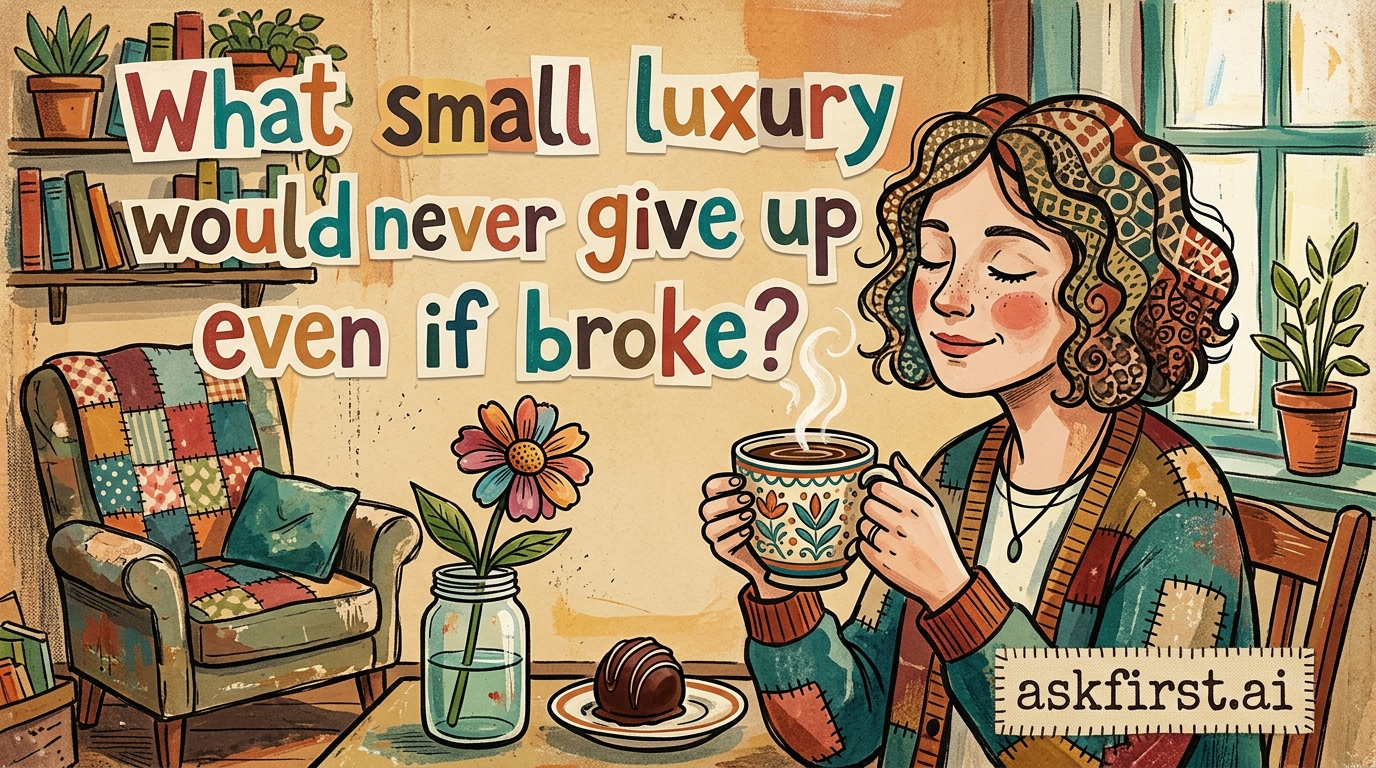
In the face of financial adversity, the instinctual reaction is to strip one’s life down to the absolute essentials: shelter, sustenance, and utility. However, history and psychological research suggest that the human spirit does not thrive on survival alone. It requires the preservation of dignity and the maintenance of "micro-rituals"—small, tangible luxuries that anchor our identity and provide a sense of agency when the world feels chaotic. If one were to find themselves in dire financial straits, the one luxury that should never be sacrificed is the ritual of high-quality coffee preparation.
Beyond the caffeine content, the act of crafting a perfect cup of coffee is a sensory anchor. It is a moment of intentionality, a daily practice that signals to the brain that despite external circumstances, one still possesses the capacity for refinement and care.
The Psychology of Micro-Rituals: Why Small Luxuries Matter
Psychologists have long argued that humans are creatures of habit who derive comfort from predictable, high-quality experiences. In his seminal work, The Power of Habit, author Charles Duhigg explains how "keystone habits" can transform our lives. A small, intentional luxury acts as a keystone habit; it creates a positive feedback loop that fosters discipline and self-respect.
When you are broke, the world often treats you as a statistic. You are forced to wait in lines, navigate bureaucracy, and compromise on your living standards. By maintaining a ritual—such as grinding fresh beans or using a specific ceramic mug—you reclaim your autonomy. It is a declaration that you are not merely a victim of your bank balance, but an individual with standards and tastes.
The Economic Argument for "Small" vs. "Big" Luxuries
Financial advisors often preach the "latte factor"—the idea that cutting out small daily expenditures will lead to long-term wealth. While mathematically sound for those seeking to maximize savings, this advice often fails to account for the psychological cost of total austerity.
In the book Your Money or Your Life by Vicki Robin and Joe Dominguez, the authors advocate for "conscious spending." They argue that you should spend money only on things that bring you genuine joy and align with your values. If a daily, high-quality coffee brings you more peace and clarity than a subscription service or a fast-fashion purchase, then the coffee is not a frivolous expense; it is a vital investment in your mental health.
When you strip away everything, you risk falling into a state of "scarcity mindset," which, as studied by Sendhil Mullainathan and Eldar Shafir in their book Scarcity: Why Having Too Little Means So Much, actually reduces your cognitive bandwidth. By keeping one small, affordable luxury, you alleviate the pressure of that scarcity, allowing your brain to function more effectively to solve the very problems that led to your financial hardship.
Concrete Examples of Sustainable Luxury
To maintain a luxury while broke, one must shift from a consumer mindset to a connoisseur mindset. This means prioritizing quality over quantity:
- The Coffee Ritual: Instead of buying expensive, pre-ground generic coffee, invest in a single bag of high-quality, ethically sourced beans from a local roaster. The cost per cup is still significantly lower than a café-bought drink, but the sensory experience—the smell of the bloom, the texture of the brew—is vastly superior.
- Stationery and Penmanship: In an age of digital noise, keeping a high-quality notebook (like a Leuchtturm1917) and a reliable fountain pen turns the act of journaling or budgeting from a chore into a meditative practice. The tactile satisfaction of ink on paper provides a grounding effect that a smartphone simply cannot replicate.
- The "Slow" Morning: Even if you have no money, you have time. Dedicating the first thirty minutes of your day to silence, reading a physical book, or stretching is a luxury that costs zero dollars but pays dividends in emotional stability.
The Dignity of Standards
Ultimately, the reason to hold onto a small luxury is to preserve the "self." When we lose our standards, we lose the motivation to climb back out of financial pits. If you treat yourself with dignity—even in small, inexpensive ways—you are more likely to make decisions that reflect your worth.
As the Stoic philosopher Marcus Aurelius wrote in his Meditations (specifically in Book 2, where he discusses the importance of maintaining one's character regardless of external circumstances), the quality of your life is determined by the quality of your thoughts and your daily actions. If those actions include a moment of deliberate, high-quality living, you are not truly "broke." You are simply in a transitional state of financial difficulty, armed with the discipline and self-respect required to navigate your way back to stability.
Conclusion
Do not let financial hardship strip you of your humanity. By curating one or two small, meaningful rituals—whether it is the perfect cup of coffee, the use of a favorite pen, or a dedicated time for reading—you maintain a connection to your own identity. These small luxuries are not signs of waste; they are the ballast that keeps your ship steady when the waters of life become turbulent. Choose your luxury wisely, honor the ritual, and you will find that your spirit remains intact, no matter what your bank account says.