The Paradox of Digital Connection
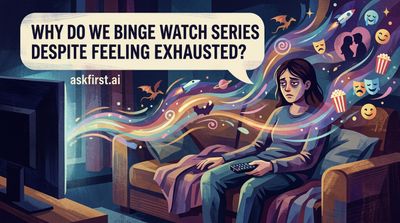
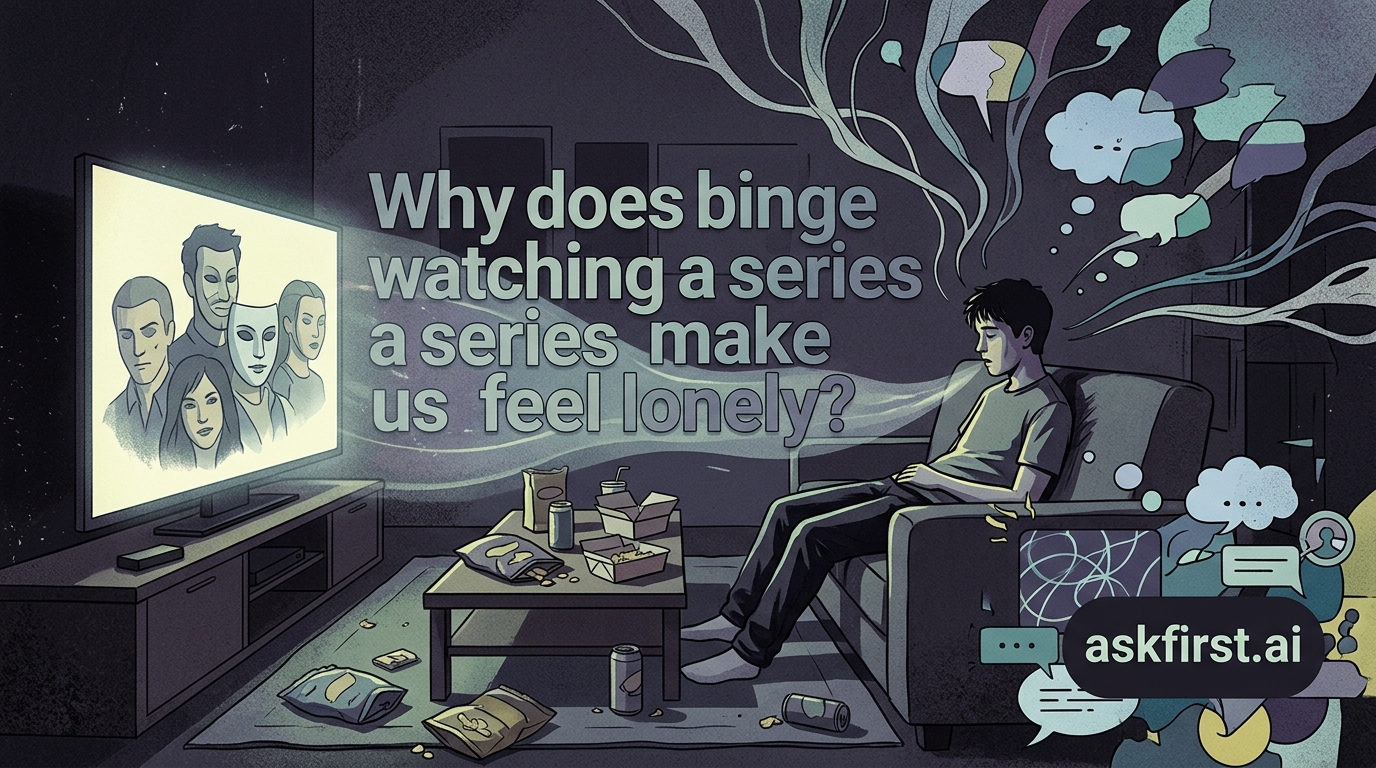
Binge-watching, the practice of consuming multiple episodes of a television series in a single sitting, has become a cornerstone of modern digital lifestyle. While this behavior offers immediate gratification and immersive escapism, psychological research indicates an ironic correlation between extensive screen consumption and a subsequent feeling of social isolation. This phenomenon is often termed the Parasocial Interaction Paradox.
The Mechanics of Parasocial Relationships
At the core of why binge-watching can trigger loneliness is the concept of parasocial relationships. These are one-sided psychological bonds where viewers form strong emotional attachments to fictional characters. When an individual watches a series over several hours, the brain struggles to distinguish between real social interaction and the simulation of intimacy provided by the narrative. The characters become perceived companions. As the series concludes or a break occurs, the sudden termination of this perceived social bond creates a psychological vacuum, manifesting as a profound sense of loneliness or 'character grief'.
Psychological Displacement and Social Battery
Binge-watching operates as a displacement activity. Humans have a limited amount of social energy and time. By dedicating prime hours to a screen, individuals often neglect real-world social maintenance, such as calling friends, engaging in community events, or nurturing physical relationships. This creates an Opportunity Cost of Intimacy. While the screen provides a feeling of belonging to a narrative world, it fails to provide the reciprocal reinforcement necessary for human psychological well-being. The result is a 'hollow satiety'—the mind feels fed by the story, but the emotional system remains malnourished.
The Dopamine Loop and the Loneliness Cycle
Binge-watching stimulates the brain's reward system through the release of dopamine. Each episode cliffhanger triggers a biological urge to continue watching to resolve tension. However, this is a short-term reward loop. Unlike genuine social interaction, which produces oxytocin—the hormone associated with bonding and lasting contentment—binge-watching relies on the rapid-fire spike of dopamine. Once the series ends, the lack of oxytocin leaves the viewer feeling socially disconnected, prompting them to start another series to regain that fleeting sense of engagement. This creates a cyclical pattern where the viewer remains trapped in a state of 'digital dependency'.
Impact on Empathy and Real-World Engagement
Research suggests that excessive consumption of serial content can temporarily dull the ability to process subtle real-world social cues. Because the viewer is constantly immersed in heightened, scripted dramas, the pace of actual life can seem slow, underwhelming, or disconnected. This perceived disparity makes genuine social interaction feel taxing by comparison. Consequently, individuals may prefer the predictable, controlled, and emotionally intensified world of television over the unpredictable nature of real human relationships, further deepening the sense of isolation.
Practical Steps for Mindful Consumption
To mitigate the feelings of loneliness associated with streaming, consider the following strategies:
- Implement Time Boxing: Set specific limits for viewing sessions to ensure real-world social engagements are prioritized.
- Post-Viewing Reflection: Engage in critical thinking or discussions about the content with others to transition the viewing experience into a social activity rather than a solitary one.
- Balance Screen Time with Kinetic Activity: Counter the sedentary nature of binge-watching with physical exercise or outdoor exposure, which helps regulate emotional states.
- Mindful Intentionality: View series as a deliberate recreational activity rather than a default habit for filling silence.
The Future of Digital Consumption
As streaming platforms continue to refine algorithms to keep viewers engaged, the individual's role as a conscious consumer becomes critical. Loneliness in the digital age is not an inevitable outcome of technology, but rather a byproduct of imbalanced consumption. By recognizing that screen-based companions are surrogates rather than replacements for human connection, individuals can reclaim their social agency. The goal is not to abandon the rich narratives of modern television, but to integrate them as a supplemental experience rather than a foundational source of emotional fulfillment. Understanding the psychological toll of digital immersion is the first step toward building a more balanced, social, and vibrant life.