The Psychology of Digital Distraction in Romantic Settings
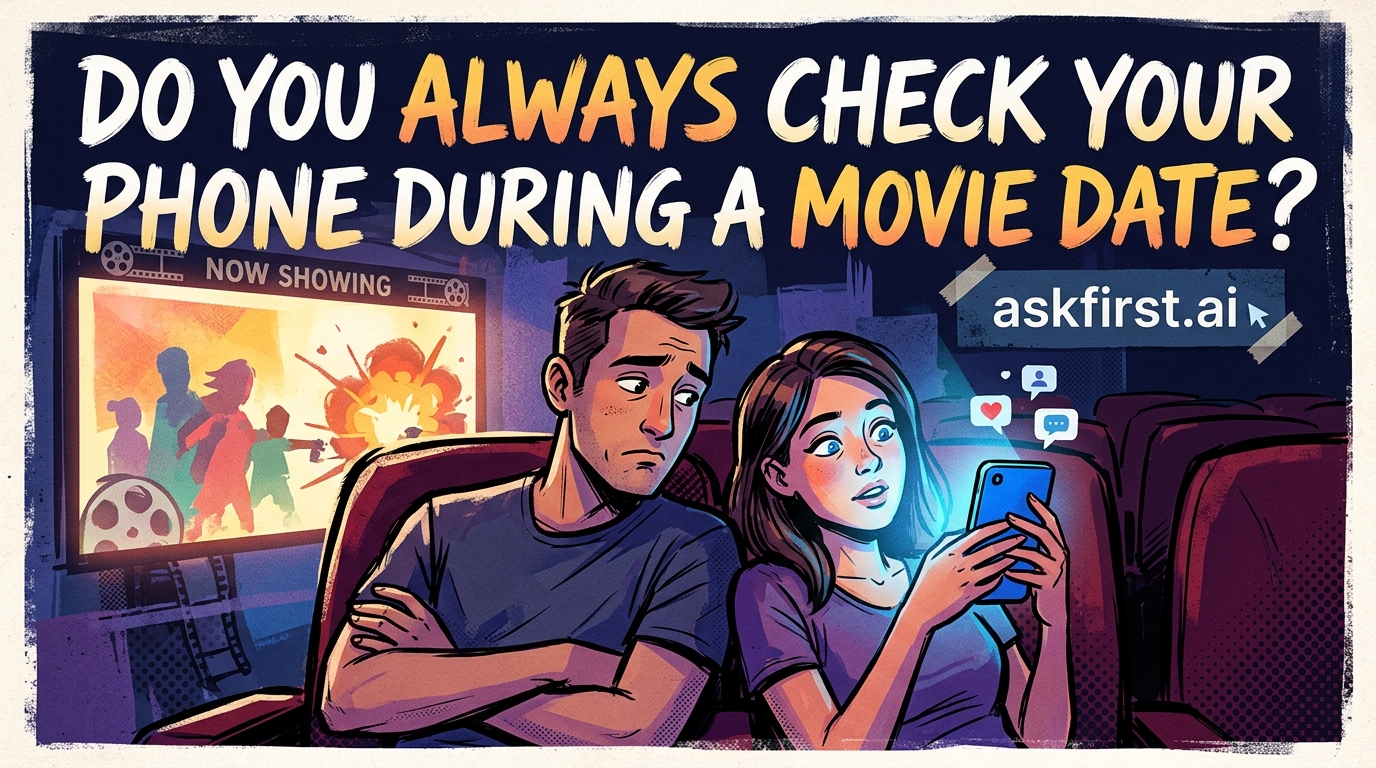
Checking a smartphone during a shared experience like a movie date is a phenomenon rooted in deep psychological impulses. While common, this behavior often signals more than just mere boredom. It reflects the intersection of biological dopamine loops, social anxiety, and the shifting landscape of modern intimacy. Understanding why this happens requires a look at the neurobiology of attention and the cultural expectations of human connection.
The Neurobiology of the 'Second Screen' Phenomenon
The brain is wired for novelty, a trait that helped ancestors survive by remaining alert to environmental shifts. When a person reaches for a phone during a movie, they are often succumbing to the 'novelty seeking' impulse. The dopamine reward system is triggered by the anticipation of a digital notification, creating a feedback loop that feels more urgent than the cinematic content currently playing. This is not necessarily a reflection of the partner’s company; rather, it is a response to the intermittent reinforcement schedule designed by software developers to keep users engaged. Even in a dark theater, the subtle glow of a screen acts as a powerful beacon for the wandering mind.
Social Signaling and Perception
From a sociological perspective, the act of checking a phone functions as a form of non-verbal communication. It communicates a prioritization of the digital world over the physical one. Studies in relationship psychology consistently show that 'phubbing'—the act of snubbing someone in favor of a mobile phone—correlates with lower levels of relationship satisfaction. When one individual checks their phone during a date, the other may perceive this as a lack of emotional investment, leading to a breakdown in intimacy. This action creates a 'digital wall,' where one partner effectively removes themselves from the shared experience to occupy a different mental space. The perception is often worse than the reality, as the partner left waiting cannot determine if the phone check is for an emergency or merely mindless scrolling.
The Myth of Multitasking
Many individuals harbor the misconception that they are capable of 'split-attention,' where they believe they can maintain high levels of engagement with a romantic partner while simultaneously processing information on a screen. Cognitive science, however, suggests otherwise. True multitasking is essentially 'task switching.' Each time attention shifts from the movie screen to the phone screen, there is a cognitive cost. This process forces the brain to reload context, meaning that the nuances of the film's plot or the emotional resonance of the date are inevitably diminished. By prioritizing the phone, the individual loses the ability to fully immerse themselves in the 'flow state' that movies are intended to facilitate.
Strategies for Deepened Engagement
To foster a more meaningful connection during shared leisure activities, it is helpful to establish intentional digital boundaries. Consider these evidence-based approaches:
- Designated Phone-Free Zones: Treat the movie theater as a sanctuary for shared focus. Physically placing the device in a bag or a deep pocket significantly reduces the impulse to check it.
- Mindful Presence: Practice 'active attending.' Focus on the sensory details of the experience—the sound design, the visual storytelling, and the subtle cues of the companion. By grounding oneself in the physical space, the urge to seek digital stimulation fades.
- Communicating Needs: If an individual is expecting an urgent notification, inform the partner beforehand. Setting these expectations early prevents misunderstandings and demonstrates respect for the shared time.
The Future of Shared Intimacy
As technology becomes increasingly integrated into the fabric of daily existence, the challenge of maintaining focus will only grow. The value of an 'analog' date, where the phone is relegated to a passive role or turned off entirely, is likely to increase in cultural importance. Authenticity in relationships relies on the investment of sustained, uninterrupted attention. When individuals choose to bypass the distraction of the phone, they open the door to deeper conversation and a stronger psychological bond. The decision to set the phone aside is an investment in the relationship, proving that the person sitting next to you is far more captivating than any notification the digital world could provide. By shifting away from impulsive connectivity, we reclaim the quality of our experiences and build more resilient, appreciative, and lasting romantic connections.