The Anatomy of Workplace Isolation: Understanding the Phenomenon of Professional Loneliness
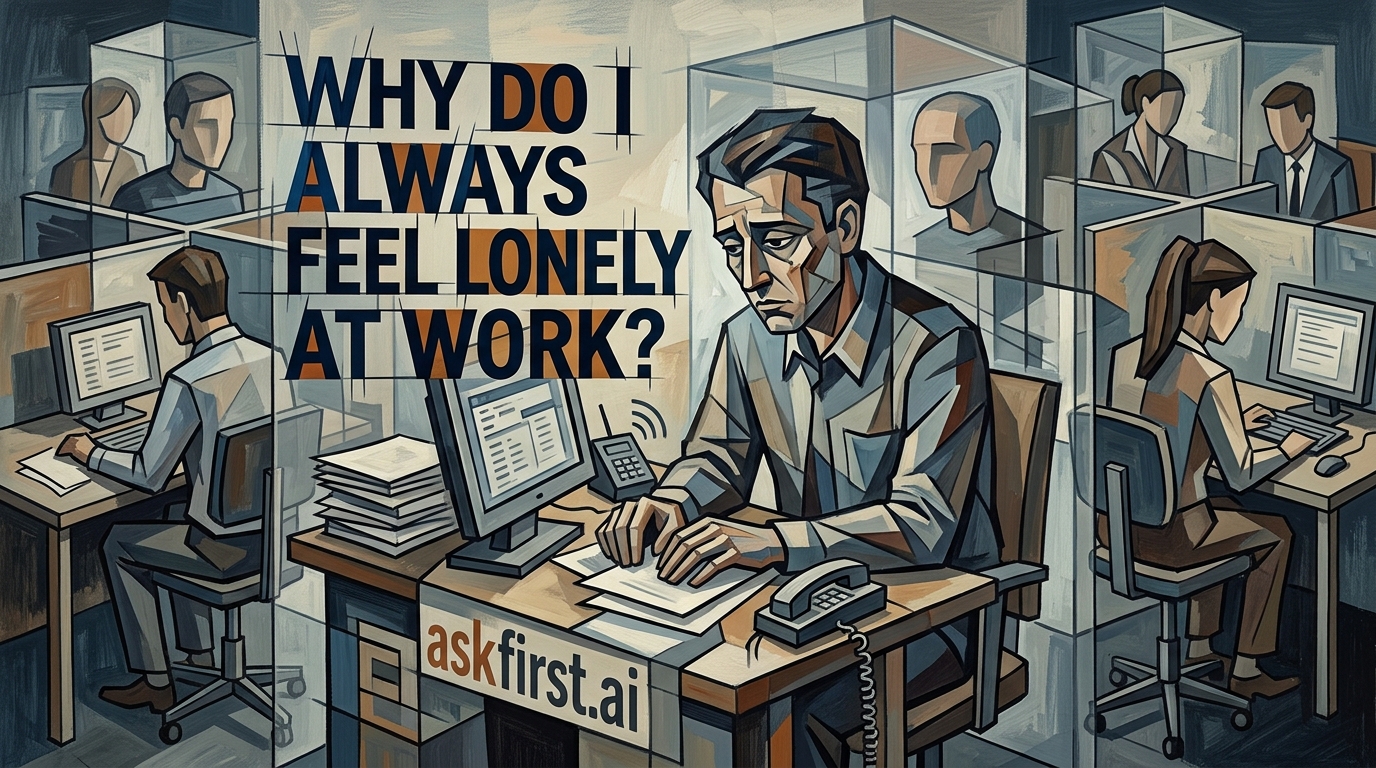
Feeling lonely in a professional setting is a paradox of the modern age. Despite being surrounded by colleagues, digital connectivity tools, and constant communication, many professionals report a profound sense of social disconnection during their working hours. This experience is not merely a personal failing or a symptom of poor social skills; it is a complex psychological and organizational phenomenon rooted in the nature of modern labor, the architecture of our offices, and the shifting dynamics of human interaction.
The Erosion of "Third Places" and Casual Interaction
In his seminal work The Great Good Place, sociologist Ray Oldenburg discusses the importance of "third places"—social environments separate from the home and the workplace where people can gather and interact informally. Historically, the workplace itself often functioned as a social hub. However, as organizations have prioritized extreme efficiency and "deep work" protocols, the capacity for spontaneous, non-task-related interaction has been systematically stripped away.
When every minute of the day is accounted for by KPIs, back-to-back meetings, and project management software like Asana or Jira, the "watercooler moments" that once built social capital vanish. Without these low-stakes interactions, you are left with a transactional relationship with your coworkers. You aren't interacting as people; you are interacting as nodes in a corporate network. This leads to a sense of being "seen" only for your output rather than your humanity.
The Paradox of Digital Connectivity
We are currently living through what Sherry Turkle, a professor at MIT and author of Alone Together, describes as a crisis of connection. Digital tools were designed to bridge gaps, but in the workplace, they often act as barriers. When you communicate primarily through Slack, Microsoft Teams, or email, you lose the nuances of human connection: tone, facial expressions, and body language.
The "digital facade" creates a vacuum. You may see your colleagues’ status icons turn green, but you do not experience their presence. This creates a psychological distance that makes it difficult to form deep, trust-based relationships. When you feel lonely at work, it is often because your brain is registering the lack of authentic, synchronous human engagement, even if your inbox is full of messages.
The Impact of Organizational Culture and "Professionalism"
Many corporate cultures implicitly or explicitly discourage vulnerability. The traditional definition of "professionalism" often demands that employees keep their personal lives, struggles, and emotions strictly separate from their work performance. This creates a high-pressure environment where you feel you must wear a mask.
When you cannot bring your "whole self" to work, as described by organizational culture expert Brené Brown in Dare to Lead, you inevitably feel isolated. If you are constantly monitoring your speech to ensure it is "appropriate" or "productive," you are suppressing the very parts of yourself that allow for authentic social bonding. Loneliness in this context is the byproduct of performing a role rather than living a life.
Structural Loneliness: Remote and Hybrid Work
The shift toward remote and hybrid work models has exacerbated this issue. While these models offer flexibility, they remove the physical proximity that naturally facilitates social bonding. According to research published in the Journal of Applied Psychology, physical presence is a significant predictor of perceived social support. Without the incidental, "forced" proximity of an office, social interaction becomes an intentional, effortful task. If you do not have the energy to schedule a "virtual coffee," those connections simply wither, leaving you in a silo.
Concrete Steps Toward Reconnection
To combat workplace loneliness, you must shift from a passive role to an active one, while acknowledging that you cannot force intimacy. Consider the following strategies:
- Prioritize Synchronous Interaction: Whenever possible, choose a phone call or a video call over an email. Hearing a voice or seeing a face triggers oxytocin release, which mitigates feelings of isolation.
- Create "Low-Stakes" Space: If you are a leader or a team member, advocate for the first five minutes of meetings to be designated for non-work-related conversation. This humanizes the group.
- Seek Mentorship and Peer Networks: Loneliness is often a symptom of lacking a "tribe." Look for professional interest groups or peer mentoring circles where the objective is growth rather than task completion.
- Audit Your Environment: Sometimes, the loneliness is a mismatch between your values and the company culture. If the organization actively discourages social interaction, no amount of individual effort will fix the systemic void.
Conclusion
Feeling lonely at work is a sign that your fundamental human need for belonging is not being met by your current environment. It is a psychological signal that your professional life has become too transactional and too detached from the communal aspects of human existence. By understanding that this is a common byproduct of contemporary work culture—driven by digital reliance and the erosion of informal space—you can begin to take intentional steps to reclaim your social presence. Remember that your worth is not defined by your productivity, and building bridges with your colleagues is not a distraction from work; it is an essential component of a sustainable, healthy career.