The Paradox of Conflict: Strengthening Bonds Through Disagreement
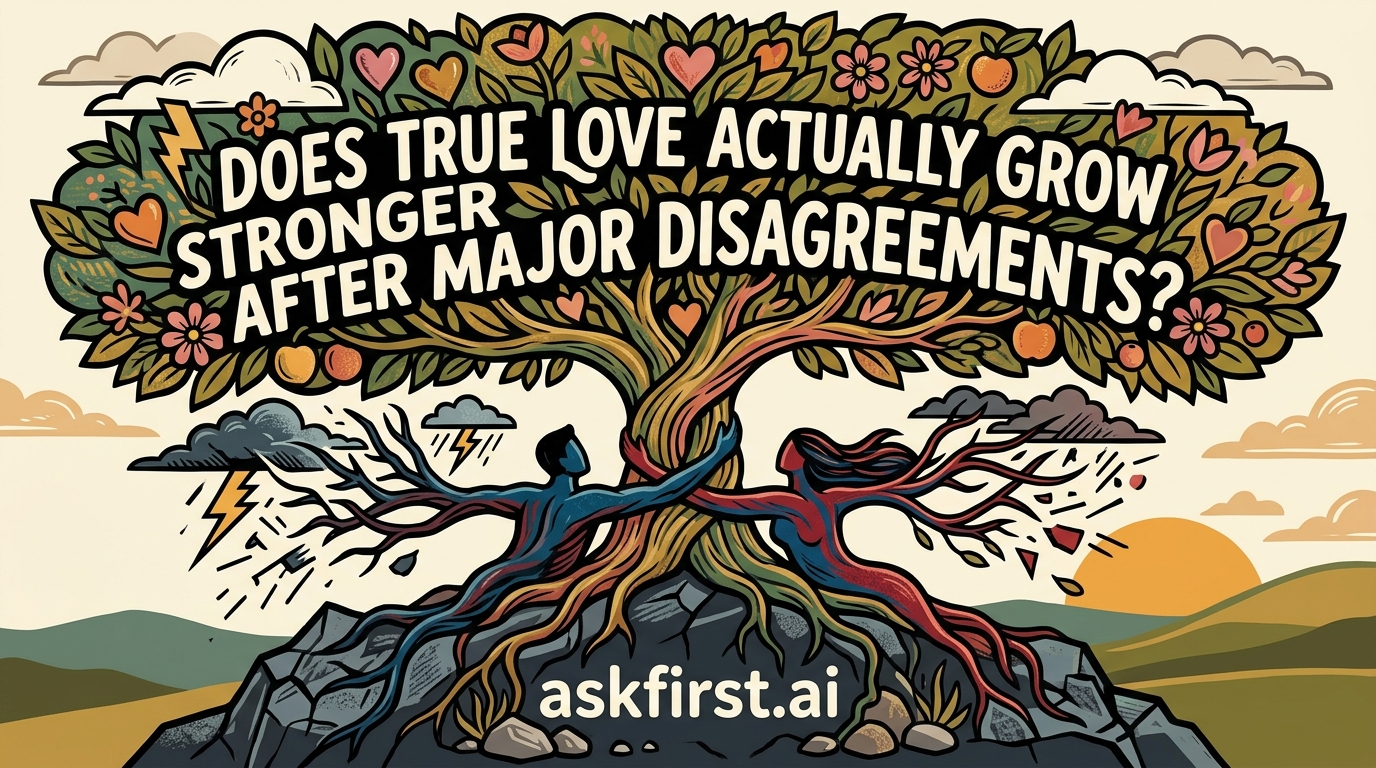
Many conventional beliefs suggest that the hallmark of a perfect relationship is the absence of conflict. However, psychological research suggests the opposite: healthy conflict is often the very crucible in which long-term intimacy is forged. When partners navigate a major disagreement with empathy and maturity, they move past the superficial phase of attraction and enter a realm of profound relational depth. This transformation is not accidental; it is a structural reinforcement of the bond.
The Anatomy of Relational Resilience
Relational resilience is defined as the capacity of a couple to return to a state of emotional security after being triggered by external or internal stressors. Disagreements serve as diagnostic tools. They reveal underlying needs, fears, and unmet expectations. According to the Gottman Method, it is not the existence of conflict that predicts divorce, but rather the style of interaction during the conflict—specifically, the presence of 'The Four Horsemen' (criticism, contempt, defensiveness, and stonewalling). When couples avoid these destructive patterns and instead engage in 'repair attempts,' they actively practice vulnerability. This process builds trust because both partners demonstrate that the relationship is robust enough to survive intense friction.
Why Friction Breeds Intimacy
Increased Emotional Literacy: Major disagreements force individuals to articulate their values, boundaries, and emotional triggers. This requires a level of self-reflection that rarely occurs during harmonious periods. As partners gain insight into each other's inner worlds, they become better equipped to support one another in the future.
The Confirmation of Commitment: When a couple survives a major disagreement without resorting to breakup threats, it sends a powerful psychological signal: 'I am here, even when things are difficult.' This stability reduces anxiety regarding abandonment and increases the level of felt safety within the union.
Deconstruction of Projection: In the early stages of love, projection often obscures reality. Disagreements strip away the idealization of the partner, forcing both individuals to see the other as a flawed but valuable human being. Loving someone despite their imperfections—and having them love you in return—is arguably the highest form of affection.
The Role of Repair Attempts
Dr. John Gottman’s research highlights the importance of the 'repair attempt'—any statement or action, silly or serious, that prevents negativity from escalating out of control. Examples include taking a break to cool down, offering a gentle touch, or using humor. When a conflict ends with a successful repair, the brain releases oxytocin and dopamine as the couple reconnects. This chemical reward system reinforces the behavior, making future communication more likely to be constructive rather than destructive.
Structural Stages of Growth Following Conflict
- Stabilization: The immediate phase after a disagreement where tensions subside and logic returns to the fore.
- Reflection: A period of internal evaluation where partners process what was learned about each other's needs during the argument.
- Integration: The final phase where lessons are applied to daily interactions, often leading to revised boundaries or improved communication habits.
Myths vs. Realities
Myth: Constant harmony is the indicator of true love.
Reality: Constant harmony is often an indicator of conflict avoidance, which leads to resentment and eventual emotional distance. True love requires the courage to face issues head-on.
Myth: Major disagreements will inevitably erode the foundation of the relationship.
Reality: Only if those disagreements are handled with contempt or hostility. Handled with 'radical candor' and curiosity, they serve as a catalyst for growth.
Cultivating Productive Disagreement
To ensure that conflict acts as a catalyst for growth rather than a source of decay, partners must prioritize 'perspective-taking.' Instead of approaching a disagreement as a battle to be won, they should approach it as a collaborative problem-solving exercise. This involves:
- Active Listening: Summarizing the partner's point of view to ensure it has been understood.
- I-Statements: Focusing on personal feelings rather than attacking the character of the other.
- Scheduled Check-ins: Addressing minor irritations before they accumulate into major, volatile disagreements.
In conclusion, true love is not the absence of storms, but the ability to build a sturdier vessel while sailing through them. The depth of a partnership is measured not by the serenity of the journey, but by the shared capacity to reconcile, learn, and grow when the waves of disagreement crash upon the deck. When both partners emerge from a conflict with a deeper understanding of one another, the bond is undeniably stronger than it was before the disagreement began.