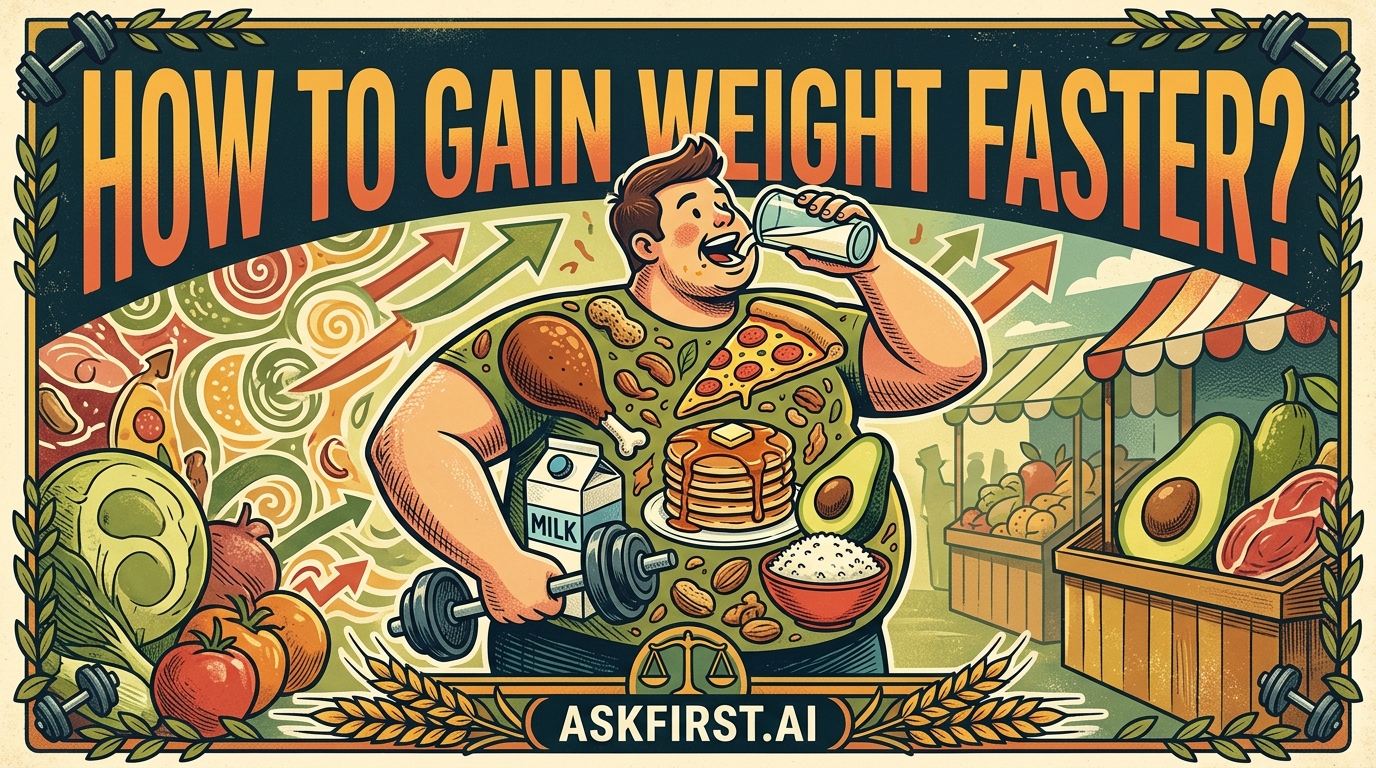
Achieving healthy weight gain is a multifaceted physiological challenge that requires a disciplined approach to caloric surplus, macronutrient distribution, and metabolic management. Many individuals mistakenly believe that simply increasing food intake—often through processed sugars and unhealthy fats—is the most efficient path. However, sustainable weight gain requires a strategic focus on building lean muscle mass alongside adipose tissue to ensure metabolic health.
The Caloric Surplus Foundation
The primary mechanism for gaining weight is the consistent maintenance of a caloric surplus. According to the principles established by Dr. Eric Helms in his seminal work, The Muscle and Strength Pyramid: Nutrition, weight gain is governed by the laws of thermodynamics. To gain weight, you must consume more energy than your body expends through basal metabolic rate (BMR), thermic effect of food (TEF), and physical activity.
To calculate your target, start by determining your Total Daily Energy Expenditure (TDEE). If you are currently weight-stable, you are eating at maintenance. To gain weight at a healthy rate—typically 0.5 to 1 pound per week—you should aim for a surplus of 300 to 500 calories above your TDEE. Consistently consuming this surplus triggers the body’s anabolic processes.
Macronutrient Optimization
Not all calories are created equal when the goal is physical development. Protein is the most critical macronutrient for ensuring that weight gain comes from muscle tissue rather than just fat.
- Protein: Aim for 1.6 to 2.2 grams of protein per kilogram of body weight. As noted in Nutrient Timing by Dr. John Ivy and Robert Portman, high-quality protein sources such as whey, lean meats, eggs, and legumes are essential for muscle protein synthesis (MPS).
- Carbohydrates: Carbohydrates are your body’s primary fuel source. They trigger the release of insulin, which is a highly anabolic hormone. Complex carbohydrates like oats, brown rice, sweet potatoes, and quinoa provide sustained energy for intense training sessions.
- Fats: Fats are calorie-dense, providing 9 calories per gram compared to 4 calories for protein and carbohydrates. Incorporating healthy fats—avocados, nuts, seeds, and olive oil—is the most efficient way to increase your caloric intake without feeling overly full.
The Role of Resistance Training
Without a stimulus for growth, a caloric surplus will lead primarily to fat accumulation. You must engage in progressive overload resistance training. As detailed in Starting Strength by Mark Rippetoe, the focus should be on compound movements—squats, deadlifts, presses, and rows. These movements recruit multiple muscle groups, triggering a systemic hormonal response that facilitates growth.
Training should be intense but controlled. Aim for 3–5 sessions per week, focusing on increasing the weight, repetitions, or sets over time. If you do not provide your body with a reason to build muscle, the excess calories you consume will be stored as body fat, which can lead to metabolic complications over the long term.
Strategies for High-Volume Caloric Intake
For individuals with high metabolisms or "hard gainers," the physical act of eating enough can be the biggest hurdle. Implementing these strategies can make hitting your targets easier:
- Liquid Calories: It is significantly easier to drink calories than to chew them. Create high-calorie shakes using whole milk or oat milk, protein powder, peanut butter, oats, and frozen berries. A single shake can easily contain 800–1,000 calories.
- Increased Meal Frequency: Instead of three large meals, transition to five or six smaller, nutrient-dense meals. This prevents digestive fatigue and keeps your protein synthesis elevated throughout the day.
- Calorie-Dense Additions: Add "hidden" calories to your meals. Drizzle olive oil over salads, add extra cheese to pasta, or keep nuts and dried fruit accessible as snacks.
- Reduced Fiber Pre-Workout: While fiber is healthy, it is highly satiating. Reducing fiber intake immediately before a meal can help you consume more volume without feeling uncomfortably full.
Monitoring and Adjustments
Weight gain is not a linear process. You must track your progress using a combination of scale weight and visual assessments. If your weight does not increase over a two-week period, your TDEE has likely shifted upward; add another 200–300 calories to your daily intake.
Conversely, if you notice excessive fat gain around the midsection, decrease your surplus slightly. The goal is "clean" weight gain, which prioritizes muscle growth. Consistency is the primary variable; as noted in the research presented by Dr. Brad Schoenfeld in Science and Development of Muscle Hypertrophy, the long-term adherence to a structured nutritional and training plan is the single greatest predictor of success.
Conclusion
Gaining weight faster is a systematic process of engineering your environment and physiology. By maintaining a calculated caloric surplus, prioritizing protein intake, engaging in progressive resistance training, and utilizing calorie-dense food strategies, you can achieve your goals safely and effectively. Remember that rapid weight gain is rarely sustainable; focus on steady progress, listen to your body’s recovery signals, and prioritize the quality of the weight you are putting on. Through patience and scientific application, you can transform your body composition to meet your performance and aesthetic objectives.