The Psychology of Brand Allegiance
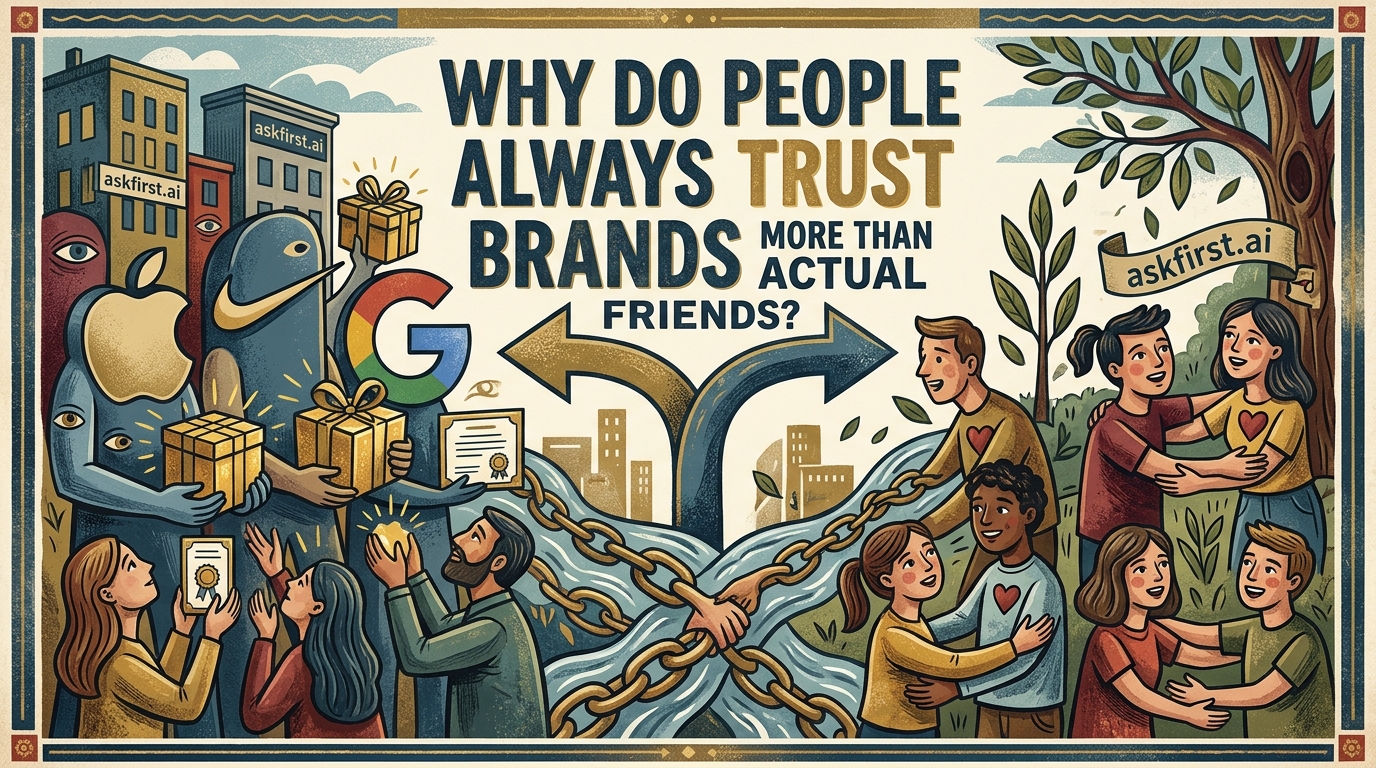
The phenomenon of consumers placing higher levels of trust in corporate brands than in their own social circles represents one of the most compelling intersections of psychology, marketing science, and sociology. While it may seem counterintuitive that a faceless entity can evoke more loyalty than a personal connection, the underlying mechanics rely on sophisticated psychological shortcuts known as heuristics. Brands often act as anchors for consistency, whereas personal relationships are inherently complex and unpredictable.
The Role of Consistent Predictability
Human beings are biologically hardwired to seek patterns and minimize uncertainty. A personal friend is a dynamic, evolving human who can experience moods, disagreements, and personal shifts. In contrast, a global brand is engineered for radical consistency. When a person purchases a product from a trusted household name, they are promised a specific experience that rarely fluctuates. This predictability reduces the cognitive load on the consumer. The brain prefers the 'known' quality of a corporate label over the 'unknown' reactions of a human peer, leading to a state of heightened perceived reliability known as the 'mere-exposure effect.'
Psychological Projection and Social Identity
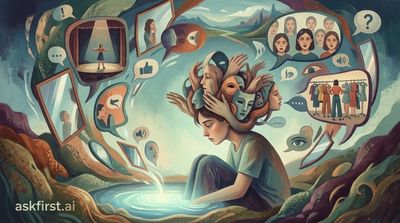
Modern branding strategies leverage the concept of identity signaling. Individuals often use brands as external manifestations of their values, social status, and aspirations. When someone identifies strongly with a brand, they perceive the organization as an extension of their own ego. This is supported by Social Identity Theory, which suggests that people categorize themselves into groups to boost self-esteem. A friend might challenge a person's views or question their lifestyle choices, causing cognitive dissonance. A brand, however, offers validation. It never critiques the user, never asks for emotional labor, and always agrees with the consumer’s choice to be part of that specific brand community.
The Illusion of Omnipresence and Expertise
Brands spend billions crafting the image of absolute authority. Through decades of advertising, they cultivate a sense of institutional expertise. Consumers are conditioned to view institutional sources as more 'objective' than subjective, anecdotal advice from friends. Research in behavioral economics suggests that people suffer from 'Authority Bias,' where they weigh the opinions of perceived experts or powerful entities more heavily than the experiential wisdom of peers. Because brands utilize high-production communication tools, they feel authoritative, whereas a friend’s advice is relegated to 'personal opinion.'
Mitigation of Social Risk
Trusting a friend carries inherent social risks. If a friend recommends a product or a path that leads to failure, the relationship may be damaged. The social cost of a bad recommendation between friends is high. Conversely, if a brand product fails, the consumer directs their frustration at the corporation, not a social peer. This detachment creates a 'safe space' for disappointment. The emotional distance provided by a brand protects the consumer from the vulnerability that comes with relying on another human being for advice or validation.
The Evolution of parasocial Relationships
In the digital age, companies engage in 'humanized' branding. They use social media to mirror the language, humor, and lifestyle choices of their target audience. This creates a parasocial bond, a one-sided relationship where the consumer feels as though they 'know' the brand on a personal level. Because the brand is curated to show only its best, most exciting, and most supportive traits, it appears to be the 'perfect friend.' A real human friend cannot compete with a curated, professional marketing machine designed to stimulate the dopamine pathways associated with reward and recognition.
Strategic Takeaways for Understanding Trust
To understand this dynamic, one must look beyond the surface level of shopping habits. The shift toward brand trust is a coping mechanism for the complexities of modern social life. By favoring the systematic, curated, and optimized nature of brands, consumers are essentially choosing simplicity over the messy, raw, and unpredictable beauty of genuine human interaction. While brands provide comfort through predictability, they lack the empathy that can only be found in human-to-human relationships. Recognizing this psychological imbalance is the first step toward reclaiming authentic trust in one's community while still navigating the commercial landscape with a healthy, objective perspective.