The Psychology of Cinema Preferences
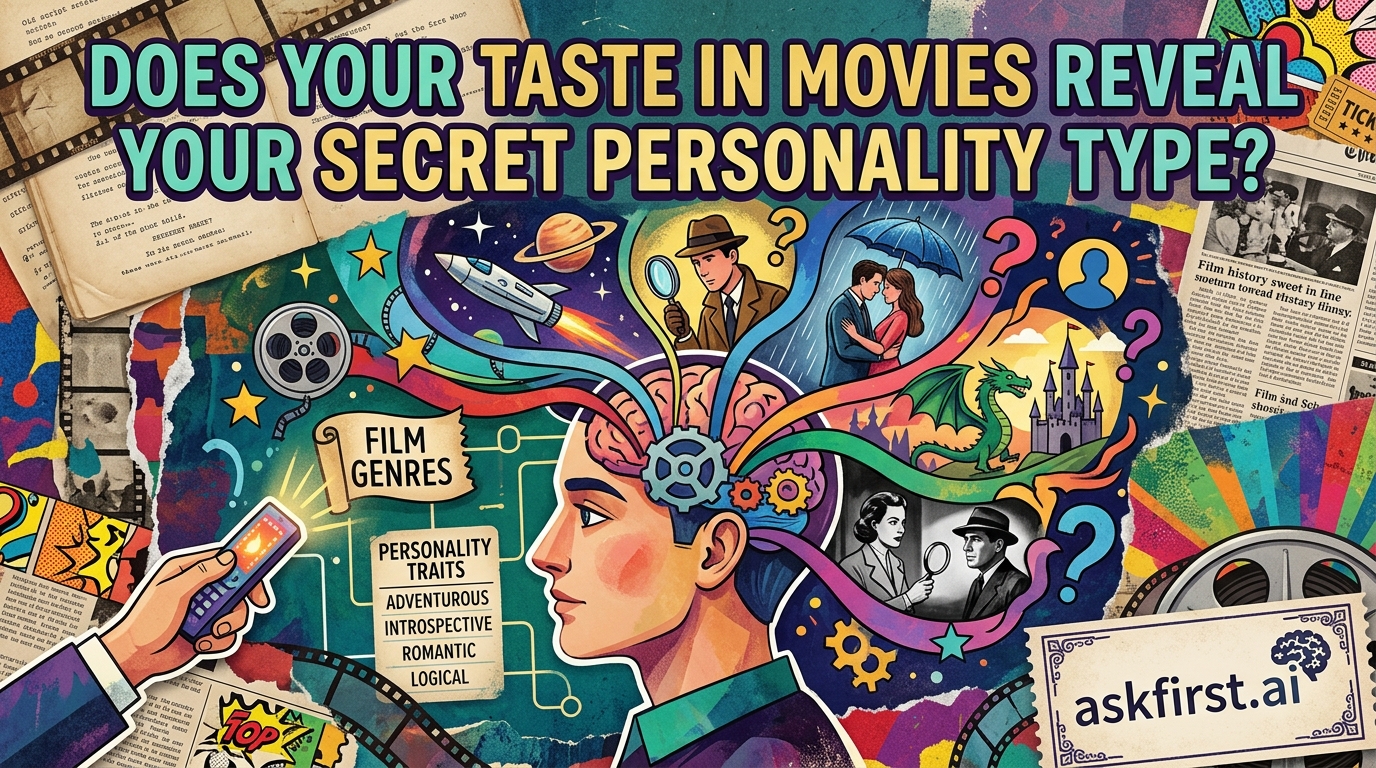
Human beings often perceive their taste in movies as a casual matter of personal preference, yet psychological research suggests that these choices act as a window into the core structures of human personality. The way an individual interacts with narrative, character arcs, and genre reflects their cognitive processing, emotional regulation, and social orientations. When someone finds themselves drawn to high-intensity action films, psychological thrillers, or sentimental romances, they are effectively expressing their internal landscape through the medium of entertainment.
The Big Five and Genre Affinity
Psychologists frequently utilize the Five-Factor Model—Openness to Experience, Conscientiousness, Extraversion, Agreeableness, and Neuroticism—to categorize personality traits. Studies conducted by universities, including research from the University of Cambridge, have indicated significant correlations between these traits and film preferences:
- Openness to Experience: High scorers in this trait demonstrate a preference for intellectually stimulating or artistic films. These individuals gravitate toward independent films, documentaries, and foreign-language cinema. Their desire for novelty and complex abstraction drives them toward narratives that challenge the status quo.
- Extraversion: Those with high extraversion scores often seek high-energy stimulation. Action-adventure films, comedies, and blockbusters with sensory-rich environments are commonly favored. This reflects an underlying drive for excitement and high arousal levels that mirror their social interactions.
- Agreeableness: Individuals who score high in agreeableness generally prefer heartwarming, character-driven narratives or uplifting romantic comedies. Their tendency toward empathy and social cohesion dictates a preference for movies that emphasize moral triumph, kindness, and interpersonal connections.
- Conscientiousness: This group tends to appreciate structured storytelling. They often gravitate toward historical dramas or biopics where narrative trajectories are clear, orderly, and reward hard work or ethical discipline.
- Neuroticism: While complex, this trait often correlates with a desire for emotional catharsis. Some individuals with high neuroticism gravitate toward horror or intense thrillers as a mechanism for experiencing negative emotions in a controlled, safe environment, effectively 'purging' anxiety through cinematic tension.
Why We Seek Specific Narratives
Beyond basic traits, the 'uses and gratifications' theory suggests that audience members seek out content that satisfies specific psychological needs. If a person feels overwhelmed by life, they might choose a predictable genre, such as a romantic comedy or a classic heist movie, to provide a sense of emotional security or closure. Conversely, those seeking personal growth often look for films that present difficult moral dilemmas or 'protagonist journeys' that mirror their current life stage.
The Impact of Social Mirroring
Movies are not just solitary experiences; they are social signals. Discussing film taste functions as a shorthand for identifying shared values. If two people resonate with the same cult classic, they often assume a level of 'tribal' alignment. This suggests that the movie one chooses to identify with is an expression of the 'ideal self'—the version of ourselves that we wish to present to the world. A lover of cerebral science fiction might be signaling a personality characterized by logical depth and forward-thinking, while a devotee of epic fantasy may be highlighting a personality that values imagination, justice, and the grand scope of human potential.
Is Personality Fixed Through Film?
It is essential to understand that cinematic taste is not a rigid biological deterministic factor. Human beings are dynamic, and preferences shift according to developmental stages, social environments, and personal transitions. A preference for dark noir films in adolescence might evolve into a preference for biographical documentaries as one matures and seeks deeper understanding of reality. This evolution mirrors our internal growth; as our concerns and psychological focuses shift, so does the content that captures our attention.
Practical Applications of Cinematic Analysis
Understanding these patterns can lead to increased self-awareness. By examining why a specific scene or character resonates deeply, individuals can identify what values or emotional needs are currently under-represented in their daily lives. If one finds themselves compulsively watching movies about high-stakes leadership, it may reflect an unconscious drive for personal influence or a need for structure in an uncertain professional environment. Ultimately, movies function as an 'empathy laboratory,' allowing the brain to rehearse emotional scenarios and refine the personality traits that define the individual. Through the systematic review of our viewing habits, we can uncover a hidden, yet highly revealing, map of who we are and who we aspire to become.