The Psychology of Cinematic Immersion: Solitude Versus Social Bonding
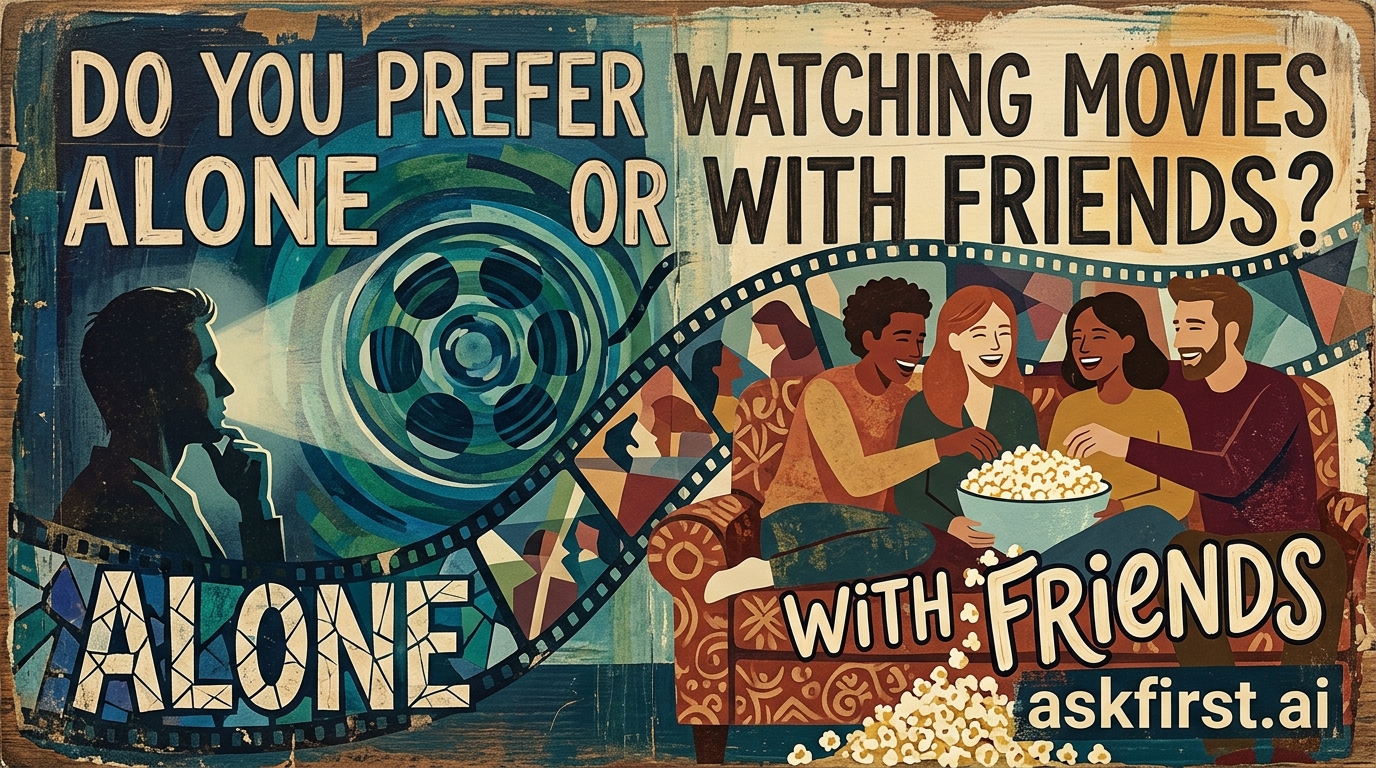
Choosing between the solitary cinematic experience and the social screening environment involves a deep dive into human psychology, social dynamics, and cognitive processing. Each mode of consumption alters how the brain encodes information and how emotional resonance is achieved during a narrative arc. Understanding the nuances of these environments helps viewers optimize their leisure time and maximize the cultural impact of their viewing habits.
The Case for Solitary Cinematic Immersion
When a viewer chooses to watch a movie alone, the primary benefit is total cognitive control. According to principles of flow theory, deep immersion requires a lack of external interruptions. Without the presence of others, the internal monologue remains focused entirely on the film’s pacing, cinematography, and thematic depth.
- Uninterrupted Cognitive Processing: Solitude removes the pressure to interpret scenes for others. Research into cognitive load theory suggests that individuals process complex visual and auditory stimuli more efficiently when they are not dividing their attention between the screen and social interactions.
- Emotional Authenticity: Watching a film alone permits a raw emotional response. There is no performance aspect involved in reacting to sad, joyful, or disturbing scenes. This allows for a deeper cathartic release, often cited as a key mental health benefit of art consumption.
- Curated Pacing: The ability to pause, rewind, or engage in deep analysis without social compromise is a hallmark of the solitary viewer. This approach turns the act of watching into an intellectual exercise, perfect for intricate plot structures or non-linear narratives.
The Social Dynamic: Movies as a Catalyst for Connection
Conversely, watching movies with friends provides a distinct set of psychological rewards rooted in shared reality. Humans are inherently social beings, and collective experiences often lead to what psychologists call 'co-regulation' of emotions.
- Social Cohesion: Shared laughter or collective awe at a cinematic reveal serves to strengthen interpersonal bonds. The synchronized release of dopamine during a climactic scene acts as a social glue, reinforcing the relationship between the participants.
- The Perspective Multiplier: Watching a film in a group introduces varying interpretations. A scene that might seem straightforward to one individual becomes a subject of debate or intellectual exploration when observed through the eyes of others. This expands the narrative meaning of the work.
- Reducing Anxiety: For films involving heightened suspense or horror, the presence of friends functions as a psychological safety net. The 'social buffering' effect allows viewers to enjoy intense stimuli while feeling safe and grounded within their peer group.
Comparative Analysis: Contextual Suitability
Deciding between the two depends heavily on the nature of the content and the intent of the viewer.
| Feature | Watching Alone | Watching With Friends |
|---|---|---|
| Primary Goal | Deep Immersion | Social Bonding |
| Best For | Complex/Art-House Films | Comedies/Horror/Blockbusters |
| Mental State | Reflective & Internalized | Dynamic & Expressive |
| Engagement Level | High Focus on Details | High Focus on Interaction |
The Synthesis: Defining the Ideal Experience
There is no objectively 'superior' way to consume cinema; rather, there is an ideal match between the content and the setting. Enthusiasts often adopt a hybrid strategy: they prioritize solitary viewings for first-time exposure to dense, intellectual, or highly artistic works where focus is paramount. In contrast, they select social environments for films designed for broad appeal, genre entertainment, or legacy titles that trigger nostalgia and discussion.
Ultimately, the choice comes down to whether the viewer seeks to disappear into a story or use the story as a bridge to others. Both experiences are vital for a well-rounded cultural life. By recognizing the specific benefits of each, individuals can curate their viewing schedules to ensure they are getting the maximum cognitive and social benefit from the medium of film. Whether one is seeking the intellectual rigor of a solitary analysis or the vibrant energy of a group discussion, both methods contribute significantly to the enduring power of the cinematic art form in human culture.