The Psychology of Decision Fatigue and the Uniform Habit
In the world of high-performance individuals, time is the ultimate currency. Wealthy figures—from tech moguls like the late Steve Jobs to meta-architect Mark Zuckerberg—have frequently been observed wearing near-identical outfits every single day. This is not merely a quirk of fashion; it is a calculated lifestyle strategy rooted in the psychological phenomenon known as Decision Fatigue. According to research by social psychologist Roy Baumeister, every choice a person makes, no matter how trivial, consumes a finite amount of mental energy. By the end of a long day, the quality of a person's decision-making process degrades significantly.
Eliminating Minor Choices for Major Gains
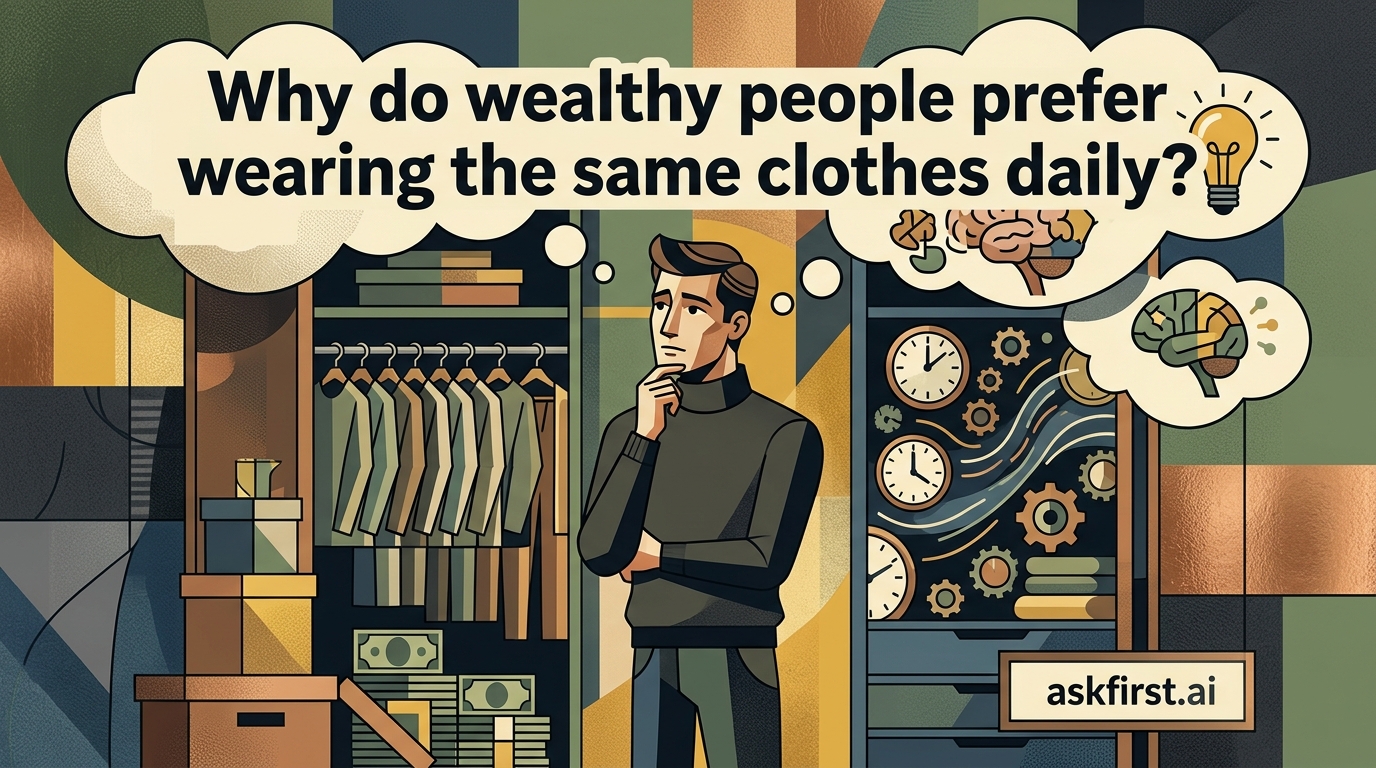
When billionaires strip away the 'choice' of what to wear, they effectively reclaim mental bandwidth for more critical tasks. Choosing an outfit involves multiple micro-decisions: What color matches? Is the fabric appropriate for the current weather? Does this combination project the right image for the upcoming meeting? By opting for a uniform, these high-achievers remove this cognitive load from their morning routine. This concept of the 'uniform' functions as a heuristic—a mental shortcut that allows the brain to bypass unnecessary processing, ensuring that their limited willpower is reserved for complex problem-solving, strategic innovation, and high-stakes leadership.
Psychological Benefits of Uniformity
Beyond simple energy conservation, adopting a signature look provides several psychological advantages that contribute to long-term success:
- Reduction of Anxiety: The paradox of choice suggests that an abundance of options can actually lead to paralysis and anxiety. By limiting choices, wealthy individuals create a stable environment that lowers baseline stress levels.
- Consistency and Identity: Wearing the same style of clothing reinforces a personal brand. It becomes an extension of identity, signaling to the world that the individual is focused on substance over superficial aesthetic changes.
- Flow State Preservation: Many creative and analytical professionals aim to enter a 'flow state' as quickly as possible. Eliminating morning distractions allows for a smoother transition from sleep to work, minimizing the chance of early-day agitation.
Historical and Economic Context
Throughout history, various leaders have utilized simplicity to denote status. While peasants often wore utilitarian clothing out of necessity, modern 'stealth wealth' adopts this same simplicity as a signifier of intellectual superiority. There is an irony here: while the wealthy can afford every luxury fashion house on the planet, they often choose to opt out of the fashion cycle entirely. This behavior signals a shift from conspicuous consumption—where wealth is shown off through logos and trends—to conspicuous efficiency, where wealth is shown off through the ability to remain unaffected by the pressures of societal expectations.
Implementing the 'Wealthy Wardrobe' Mindset
Adopting this habit is not just for the ultra-rich; it is a scalable productivity hack accessible to anyone. To implement this strategy effectively, consider the following principles:
- Prioritize Function over Fashion: Identify the three attributes that matter most for your daily routine (e.g., comfort, durability, professional appearance) and curate a wardrobe that strictly adheres to these constraints.
- Color Palette Minimalism: Stick to a neutral palette—black, navy, gray, or white—to ensure all items are interchangeable. This eliminates the 'what matches what' dilemma entirely.
- Invest in Quality: When the wardrobe is small, the pieces must be of high quality to withstand frequent washing and wear. This moves the mindset from 'fast fashion' to 'durable essentials.'
Challenging the Myth of Boredom
Critics often argue that wearing the same clothing leads to a stagnant or boring life. However, research into the habits of ultra-successful individuals suggests the exact opposite. By automating the mundane aspects of life, they liberate their creative spirits for more meaningful pursuits. The 'uniform' is not a prison; it is a tool for liberation. It serves as a daily reminder that the individual is in control of their priorities, and their focus remains fixed on the legacy they are building rather than the trends of the current season. This practice is fundamentally about intentional living. In a world that demands constant attention to trivial matters, choosing to ignore the trivial is the ultimate form of power.