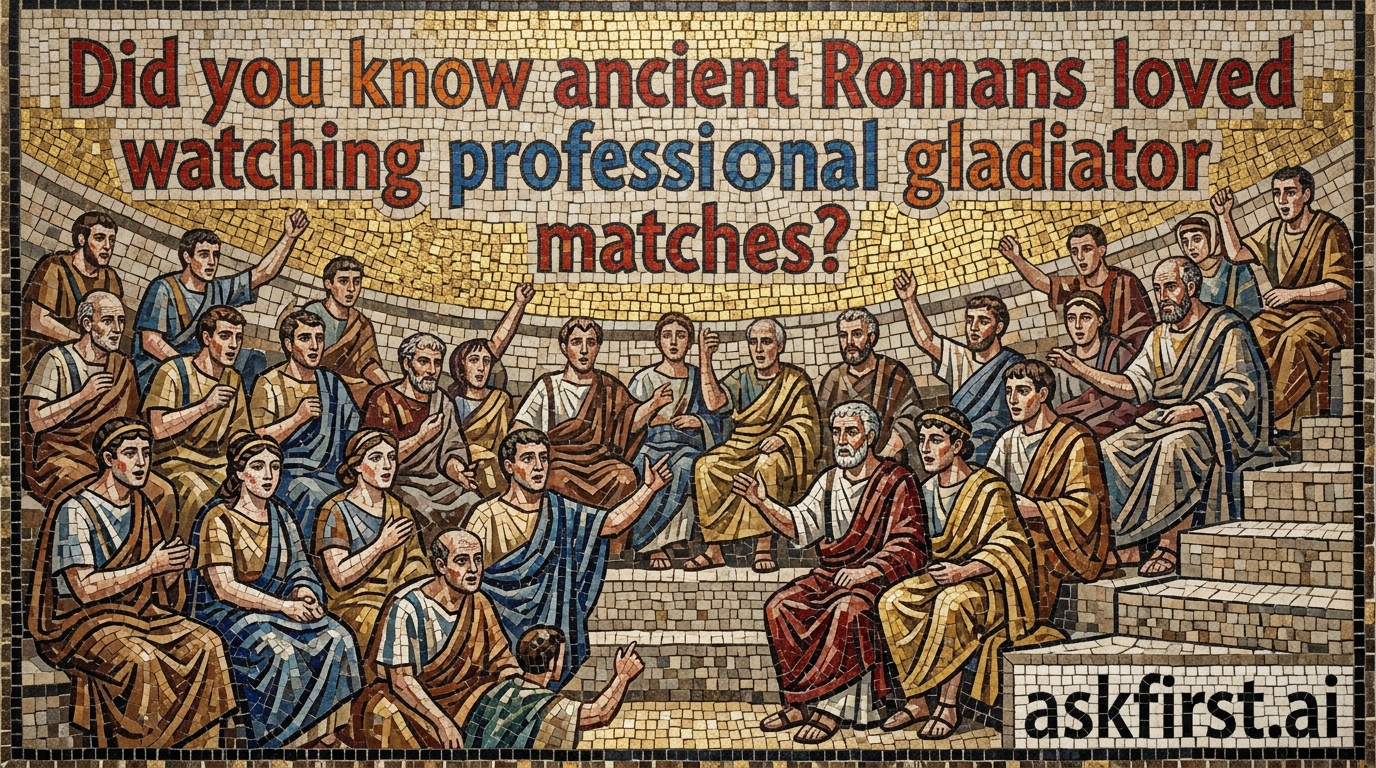
The Sophistication of Roman Spectacle Culture
While popular culture often paints a grim picture, the Roman games were a complex tapestry of social bonding, architectural engineering, and professional athleticism. Beyond the myths, these events served as a primary form of entertainment that mirrors the massive stadium events enjoyed by global audiences today. The Romans essentially pioneered the concept of the 'professional athlete' within a grand arena setting, turning combat skills into a celebrated discipline.
The Athlete as a Celebrity Icon
Gladiators were not merely participants in a sport; they were high-profile professionals. Much like modern soccer stars or basketball legends, top gladiators enjoyed massive popularity. Archaeological evidence, including graffiti found in Pompeii, reveals that certain fighters were seen as sex symbols and fashion icons. Fans would often purchase memorabilia, such as oil lamps or clay figurines depicting famous combatants. These athletes followed strictly monitored training regimes in specialized schools called ludi, where they practiced complex techniques and mastered specific fighting styles, such as the Retiarius or the Murmillo. The skill level required was immense, and these individuals were treated with a blend of intense admiration and social separation, much like contemporary elite sports stars.
Architectural Marvels for Mass Entertainment
To accommodate the massive crowds that craved these professional matches, Roman engineers developed revolutionary stadium designs. The Flavian Amphitheatre, or the Colosseum, is the most famous testament to this prowess. Featuring an intricate system of numbered gates, advanced seating arrangements, and massive canvas awnings (velarium) to protect spectators from the sun, the stadium was designed for comfort and efficiency. These arenas utilized complex hydraulic and pulley systems hidden beneath the floor, known as the hypogeum, allowing organizers to stage elaborate sets that shifted the atmosphere of the arena instantly. This mastery of space and logistics ensured that thousands of citizens could enter, find their seats according to social rank, and witness high-stakes professional displays of agility and strength.
Social Cohesion and the Professional Standard
These games were also a tool for social cohesion. By providing free or affordable entertainment to the masses, the Roman state maintained the morale of the citizenry. The events were governed by rigid rules and professional referees, known as summa rudis. These officials ensured that the combat followed established traditions, maintaining the integrity of the matches. The focus was heavily placed on technique, endurance, and the display of martial excellence. It was not a chaotic free-for-all; rather, it was a structured exhibition of human capability. Even the music played during the games, performed by ensembles of trumpeters and organ players, contributed to the professional aesthetic, creating an immersive, multi-sensory experience that heightened the emotional connection between the athletes and the audience.
The Legacy of Professional Competition
When examining history through a modern lens, it is clear that the Roman approach to the games laid the groundwork for contemporary professional sports. The combination of athlete celebrity culture, sophisticated stadium management, and the branding of combat styles resonates deeply with current trends in global athletics. Historians note that the dedication to perfecting specialized techniques—such as defensive maneuvers or offensive strikes—mirrors the hours modern athletes spend in the gym perfecting their craft. The Roman interest in these matches was fundamentally a pursuit of excellence and a fascination with peak physical conditioning. The legacy lives on in every stadium built today, as human society remains inherently drawn to the collective thrill of watching skilled professionals push their physical limits within a grand, purpose-built theater.