The Psychology of Proximity and Shared Purpose
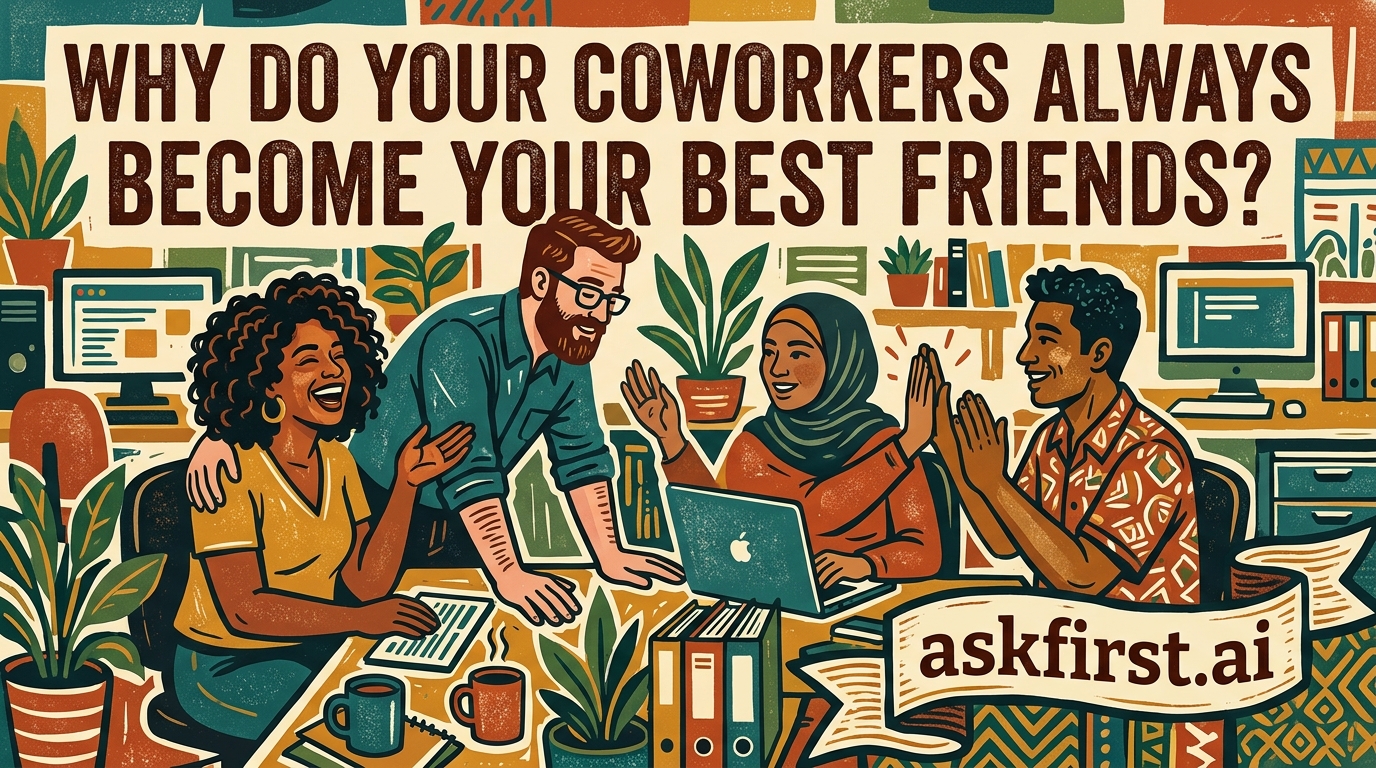
The formation of deep, enduring friendships within a professional environment is a phenomenon rooted in fundamental psychological principles. While the modern workplace is often viewed through the lens of productivity and efficiency, it acts as a high-density incubator for interpersonal connections. The primary driver behind this transformation from professional acquaintance to 'best friend' is known as the Propinquity Effect. This sociological concept suggests that the physical or psychological proximity of individuals significantly increases the likelihood of them forming a bond. Because employees spend an average of forty hours per week in the same space, the frequency of interaction naturally facilitates familiarity, which in turn breeds affection.
The Common Enemy and Shared Challenges
Beyond mere physical proximity, the workplace provides a unique landscape for shared experience. When individuals work toward the same organizational goals, they face common obstacles, tight deadlines, and complex bureaucratic structures. According to Social Identity Theory, when groups of people undergo collective struggles, they develop a 'common fate' mindset. This psychological alignment fosters an environment where venting about shared frustrations acts as a potent bonding mechanism. This is not merely about complaining; it is about the validation of reality. Finding someone who understands the nuanced technical challenges or the specific cultural dynamics of a project creates an immediate intellectual and emotional shorthand that is rarely found in casual social circles outside of work.
The Role of 'Self-Disclosure' in Deepening Bonds
Psychologist Arthur Aron famously established that the path to interpersonal closeness is paved by sustained, escalating, and reciprocal self-disclosure. In a workplace setting, coworkers are often privy to aspects of each other's lives that even long-term social friends might not witness. One sees a colleague in moments of high stress, creative exhaustion, and professional triumph. Witnessing a peer navigate the highs and lows of a career cycle necessitates a level of vulnerability that accelerates the intimacy process. When a colleague supports another through a high-stakes presentation or a difficult client negotiation, the brain registers this as a high-value supportive interaction, solidifying trust at a biological level.
The Evolution of the 'Work Bestie' Phenomenon
In recent years, organizational behavior studies have identified the 'Work Bestie' as a critical component of employee well-being. This is not just a trend but a structural evolution of how humans optimize their social ecosystems. Research from the University of Maryland and other academic institutions indicates that employees with a designated 'best friend' at work are significantly more engaged and productive. This happens because:
- Reduced Anxiety: Having a trusted confidant lowers the cortisol response to workplace stressors.
- Increased Creativity: Friendly environments encourage psychological safety, allowing for 'out of the box' brainstorming without the fear of judgment.
- Emotional Regulation: Coworkers provide a safe space to process complex professional emotions, which prevents burnout.
The Contrast with Non-Work Relationships
Traditional friendships outside of the workplace are often voluntary and based on shared hobbies or historical ties. However, these connections often suffer from 'scheduling friction'—the difficulty of aligning calendars for adults with busy lives. Conversely, the workplace removes this barrier. By the very nature of the workday, individuals are already in the same space at the same time. This solves the logistical paradox that destroys most adult friendships. The consistent, reliable, and recurring nature of the workplace interaction provides a foundation of reliability that is rare in the transient nature of modern social life.
The Nuance of Competitive Cooperation
Critics often argue that the workplace is inherently competitive and that competition destroys friendship. However, modern game theory suggests that 'cooperative competition'—where individuals strive to excel while simultaneously ensuring the success of their peers—creates the strongest bonds. When both parties feel like they are leveling up their skills together, they experience a mutual 'win-win' dynamic. This shared professional growth creates a psychological feedback loop where the success of one friend is intrinsically linked to the success of the other.
Conclusion: The Architecture of Connection
Ultimately, the transformation of a coworker into a best friend is a natural result of biological and environmental necessity. Humans are social animals hard-wired for tribal cooperation, and the modern office simply replicates the conditions of the small, collaborative tribes of the past. Through the convergence of shared goals, daily proximity, and the necessity of mutual support, the office becomes one of the most effective environments for forging human connection. Understanding this helps individuals embrace the professional environment not just as a place of work, but as a space for developing some of the most influential and meaningful relationships of a lifetime.