The Psychology of Social Connection: Cinema vs. Live Performance
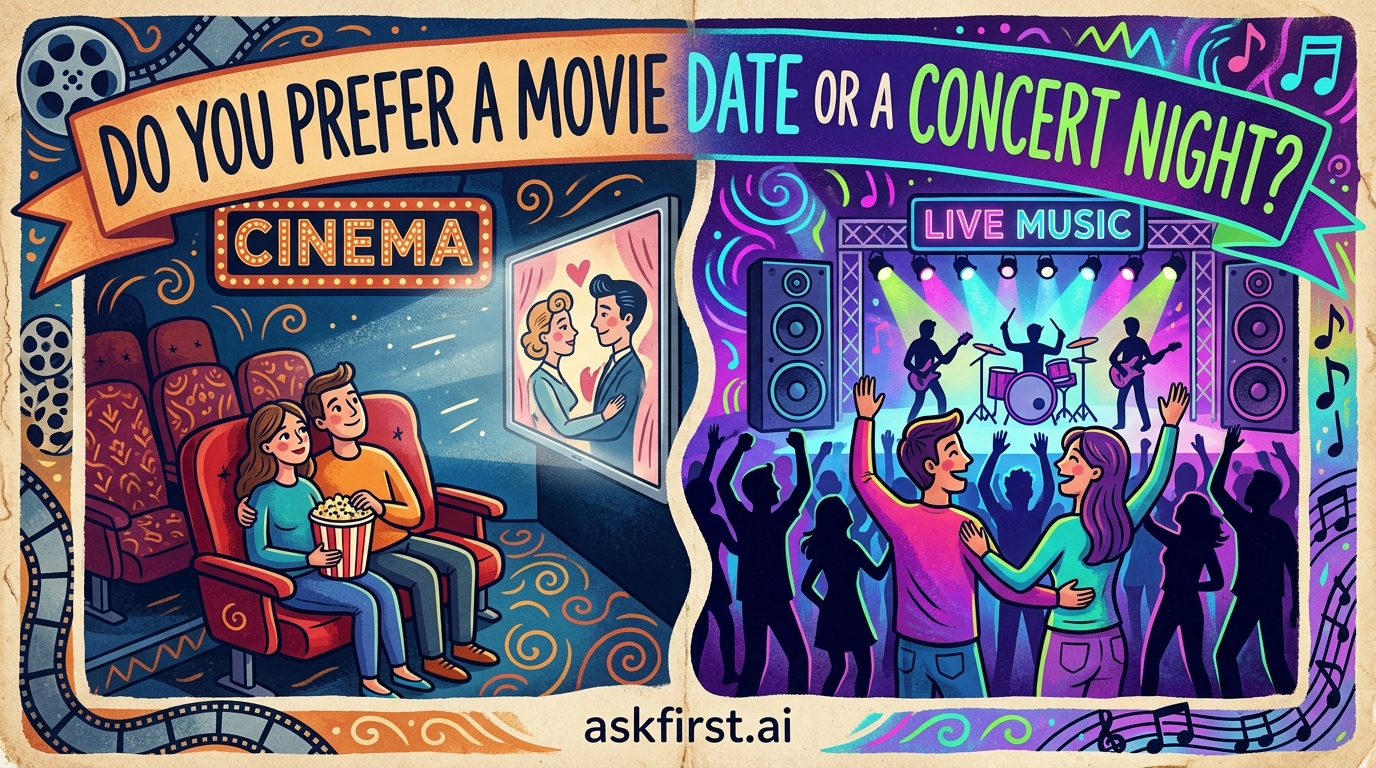
Choosing between a quiet movie night and an energetic concert date involves understanding the fundamental ways human beings bond. Social psychology suggests that the environment in which individuals interact dictates the depth and trajectory of the relationship. Both cinematic experiences and live music venues offer unique psychological stimuli that cater to different personality archetypes and relationship stages.
The Cinematic Experience: A Controlled Environment for Intimacy
Movie dates are frequently criticized for being "passive" activities, yet they serve a distinct psychological purpose: the mitigation of social anxiety. In the early stages of dating, the silent requirements of a cinema provide a low-pressure setting. This allows individuals to share an experience without the immediate burden of constant conversation, effectively using the film as a buffer.
- Synchronicity: Research indicates that shared emotional experiences lead to interpersonal synchronicity. Even in a dark room, witnessing a narrative arc together allows participants to map the other person's reactions to themes of love, conflict, or humor, providing vital clues about their values.
- Low Cognitive Load: Because the screen provides the focal point, the "stare-and-speak" pressure is reduced. This environment is ideal for those who struggle with immediate conversational flow, allowing the comfort of proximity to bridge the gap between strangers.
- Post-Movie Analysis: The real value of a movie date is not the film itself, but the transition to the post-movie discussion. The content of the film acts as a Socratic dialogue prompt, facilitating deeper questions about morality, taste, and emotional expression.
The Concert Night: High-Arousal Bonding and Social Energy
Conversely, a concert night represents a high-arousal social activity. Unlike the isolation of a theater, a concert immerses the attendees in a collective effervescence—a sociological concept coined by Émile Durkheim, describing the shared euphoria experienced in group settings.
- Shared Physiology: The physical impact of bass frequencies and the communal rhythmic movement of a crowd trigger the release of oxytocin and endorphins. When two people experience this surge together, the brain often misattributes the high-intensity physiological state of the concert to the companion, a phenomenon known as the misattribution of arousal.
- Vulnerability through Noise: The sheer volume of a concert necessitates non-verbal communication. Leaning in to hear each other, holding hands to navigate a crowd, and sharing non-verbal cues in the dark foster a sense of "us against the world." This builds physical intimacy faster than a structured dinner or a silent movie.
- Memory Anchoring: Intense sensory experiences are encoded more deeply into long-term memory. A concert serves as an "anchor point" for the relationship, creating a vivid, nostalgia-laden memory that often feels more significant than a routine cinema visit.
Expert Synthesis: Selecting the Optimal Path
The choice between these two experiences should be guided by the goals of the interaction and the personality traits of the participants:
- For Early-Stage Compatibility: The movie date excels. It is a diagnostic tool that reveals preferences, patience, and reaction styles without requiring extreme vulnerability. It is the "safe harbor" approach to relationship building.
- For Strengthening Existing Bonds: The concert night is superior. It provides the excitement and sensory overload necessary to revitalize a stagnant dynamic or celebrate a growing connection. It is the "high-stakes" approach that tests compatibility under pressure.
Psychological Frameworks for Decision Making
- The Proximity Effect: If the goal is physical closeness, the tight quarters of a concert provide more opportunities for touch and non-verbal intimacy.
- Cognitive Compatibility: If the goal is long-term intellectual connection, the movie date serves as a better catalyst for conversation, as it forces the brain to process narratives and articulate abstract thoughts afterward.
In conclusion, neither option is inherently superior. Instead, they serve as specialized tools within the social toolkit. A movie date provides the structure needed to establish safety and cognitive compatibility, whereas a concert night provides the raw emotional intensity needed to foster profound, energetic connections. Understanding the psychological implications of each setting empowers individuals to select the environment that best aligns with their desired emotional outcome, ensuring that every date is not just an activity, but a strategic step in building a sustainable and meaningful bond.