The Psychology of Wealth and Experiential Spending
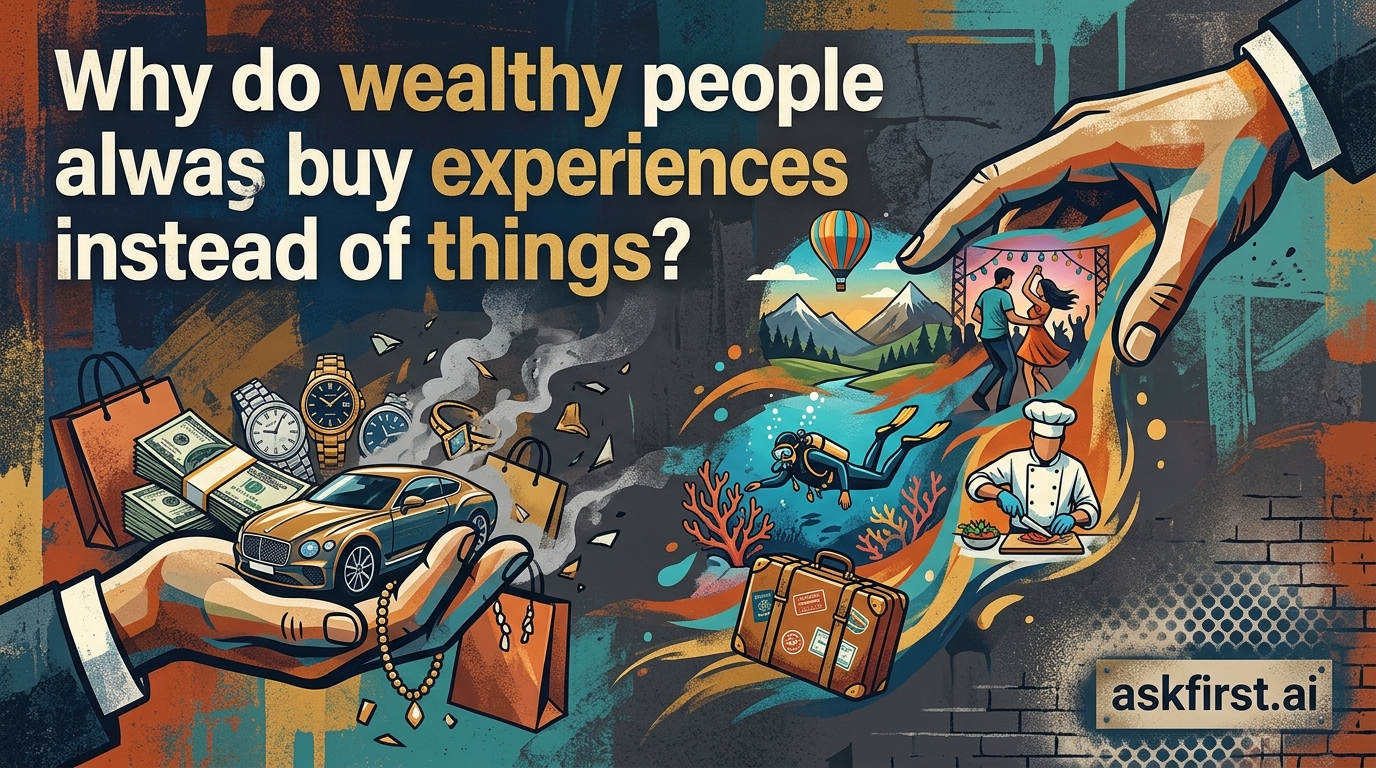
There is a profound shift in consumer behavior observed among the affluent: a decisive move away from material accumulation toward the acquisition of experiences. This phenomenon is not merely a trend but a strategic allocation of resources rooted in psychological fulfillment, cognitive science, and long-term utility. Understanding why the ultra-wealthy prioritize travel, education, and unique adventures over luxury goods requires looking beyond the price tag and into the mechanics of human happiness.
The Hedonic Adaptation Mechanism
At the core of this preference lies the concept of hedonic adaptation. When individuals purchase material goods, such as a high-end watch or a luxury vehicle, the initial surge of pleasure is significant. However, human beings possess a biological tendency to rapidly return to a stable level of happiness despite positive or negative events. Within weeks or months, the novelty of the physical object fades, and the item becomes part of the owner's 'new normal.' The joy depreciates at the same rate the object loses its market value. In contrast, experiences—such as a trekking expedition in the Himalayas or a masterclass in culinary arts—become integrated into one's identity. They do not fade into the background; rather, they evolve into cherished memories that gain value over time through the process of storytelling and introspection.
Identity Construction and Social Capital
Wealthy individuals often view experiences as a primary component of identity construction. While material possessions are easily replicable by others with sufficient capital, personal experiences are unique. Engaging in exclusive or challenging activities creates a 'narrative self' that is far more resistant to comparison than a collection of items. Furthermore, experiences function as social capital. Research published in journals like Psychological Science suggests that people feel more connected to others after sharing experiences, whereas material possessions can often elicit envy or social distance. Experiences create shared bonds, facilitating deeper interpersonal relationships that define one's social status more effectively than static luxury brands ever could.
The Anticipation and Nostalgia Cycle
Experiences offer a two-fold temporal advantage: anticipation and nostalgia. Material goods provide a linear consumption cycle, but an experience starts long before it happens. The process of planning, researching, and anticipating a significant trip releases dopamine, providing a sustained emotional uplift before the event begins. Following the event, the cycle of nostalgia takes over. Replaying memories, viewing photographs, and sharing stories keeps the emotional benefit alive for years. This temporal extension is a luxury that physical objects, which are limited to the 'here and now,' simply cannot provide.
Efficiency of Cognitive Resource Allocation
From an economic standpoint, the affluent often treat their cognitive bandwidth as a scarce resource. Material items come with 'maintenance costs'—storing, insuring, repairing, and cleaning. These items require physical and mental space. Experiences, however, are essentially 'clutter-free.' They satisfy the need for novelty and personal development without contributing to the cognitive load associated with physical possession. By choosing experiences, the wealthy optimize their environment for mental clarity, focusing on growth and transformation rather than the management of material wealth.
Long-Term Value and The 'Experiential Premium'
While a designer handbag might eventually end up in a donation bin, the skill learned in a workshop or the perspective gained from international travel remains permanently embedded in the brain. This 'experiential premium' is a form of intangible investment. Knowledge, cultural competency, and physical vitality gained through experiences pay dividends in every future situation the individual encounters. As one moves through life, the utility of a material item diminishes, but the utility of a well-lived life—the tapestry of one's experiences—is cumulative.
Summary of Principles
- Identity Integration: Experiences become who you are; things remain external to the self.
- Reduced Comparison: Experiences are unique and personal, shielding the individual from the 'keeping up with the Joneses' anxiety that often accompanies material luxury.
- Emotional Longevity: Anticipation and reflection create a much longer period of satisfaction compared to the fleeting excitement of a purchase.
- Social Connectivity: Experiences act as a catalyst for meaningful human interaction, fostering a sense of community.
In conclusion, the preference for experiences among the wealthy is a sophisticated mechanism for maximizing human well-being. By prioritizing the internal over the external, they invest in the only form of wealth that truly compounds: the depth and breadth of their existence.