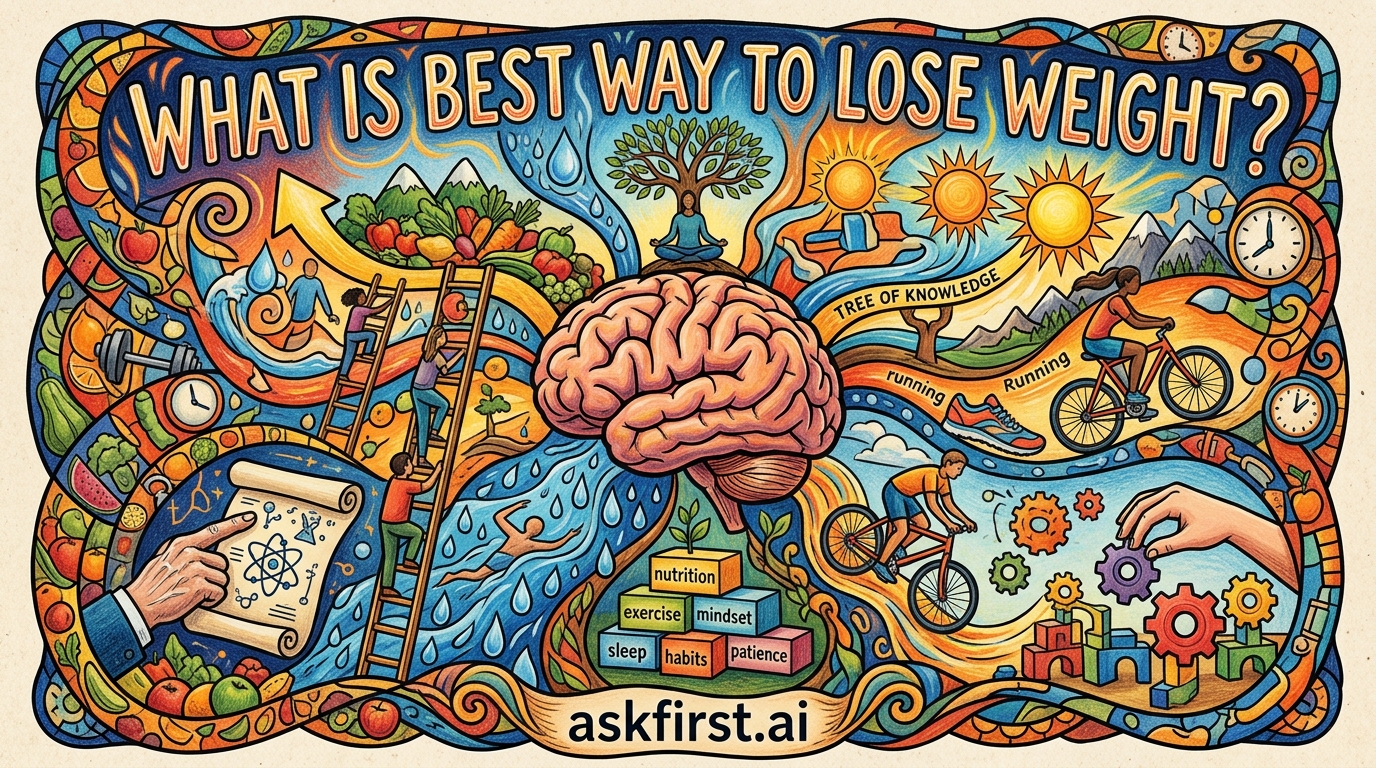
The Science of Sustainable Weight Management: A Comprehensive Guide
Achieving and maintaining a healthy body weight is rarely the result of a single "magic bullet" or restrictive fad diet. Instead, it is the cumulative outcome of metabolic regulation, hormonal balance, and behavioral psychology. To lose weight effectively and permanently, one must move away from the mindset of temporary deprivation and toward the adoption of a sustainable lifestyle framework.
The Thermodynamic Reality: Energy Balance
At the core of weight loss lies the principle of thermodynamics. To shed body fat, an individual must maintain a caloric deficit, meaning the energy expended through daily movement and basal metabolic functions must exceed the energy consumed through food. However, as noted by Dr. Herman Pontzer in his seminal book Burn: The Misunderstood Science of Metabolism (Penguin Books, 2021), the human body is remarkably adaptive. When we slash calories too aggressively, our bodies often respond by downregulating non-essential functions, leading to fatigue and a plateau in fat loss.
Therefore, the "best" way to lose weight is not to starve oneself, but to create a modest, consistent deficit—typically 300 to 500 calories below your Total Daily Energy Expenditure (TDEE). This prevents the body from triggering a "starvation mode" response that ruins metabolic flexibility.
Nutritional Architecture: Quality Over Quantity
While the caloric deficit dictates weight loss, the composition of those calories dictates body composition and satiety. A calorie is not merely a unit of energy; it is a signaling molecule for your hormones.
- Prioritize Protein: Protein has the highest thermic effect of food (TEF), meaning the body burns more energy digesting it compared to fats or carbohydrates. Furthermore, it is essential for muscle protein synthesis. Dr. Stuart Phillips from McMaster University, a leading expert in protein metabolism, suggests that consuming 1.6 to 2.2 grams of protein per kilogram of body weight is optimal for preserving lean muscle mass during a fat-loss phase.
- The Fiber Advantage: High-fiber foods, such as legumes, cruciferous vegetables, and whole grains, promote satiety by slowing gastric emptying. In The Obesity Code (Greystone Books, 2016), Dr. Jason Fung argues that managing insulin levels is key. By focusing on whole, unprocessed foods, you naturally lower insulin spikes, which facilitates the mobilization of stored body fat.
- Hydration: Often, the brain confuses thirst for hunger. Drinking 500ml of water before meals has been shown in clinical studies to assist in appetite regulation and improve metabolic speed.
The Role of Resistance Training
Many individuals make the mistake of relying solely on steady-state cardiovascular exercise (like jogging) for weight loss. While cardio is excellent for cardiovascular health, resistance training is the true engine of sustainable weight management.
Muscle tissue is metabolically expensive to maintain. By engaging in compound movements—such as squats, deadlifts, and overhead presses—you increase your resting metabolic rate. According to research published in the Journal of Applied Physiology, individuals who combine a caloric deficit with consistent resistance training lose significantly more body fat and less lean muscle compared to those who only perform aerobic exercise. The goal is to signal to your body that your muscle mass is necessary for survival, forcing it to prioritize fat stores for energy.
Behavioral Psychology and Sleep Hygiene
Weight loss is fundamentally an exercise in habit formation. If you do not address the psychological triggers of overeating, no diet plan will succeed long-term.
- The Sleep-Weight Connection: In his book Why We Sleep (Scribner, 2017), neuroscientist Matthew Walker details how sleep deprivation disrupts ghrelin (the hunger hormone) and leptin (the satiety hormone). When you are sleep-deprived, your body craves high-calorie, sugary foods to compensate for low energy. Prioritizing 7–9 hours of quality sleep is as important as any meal plan.
- Mindful Consumption: Eating without distractions allows the satiety signals from the gut to reach the brain. Slowing down your eating process can help you recognize when you are comfortably full, preventing the "over-consumption trap."
Conclusion: The Path to Longevity
There is no singular, universal path to weight loss, but the most successful approach involves a triad of moderate caloric restriction, high protein intake combined with resistance training, and rigorous attention to sleep and stress management.
Instead of searching for a quick fix, focus on "non-negotiables"—small, repeatable habits such as walking 8,000–10,000 steps a day, eating a protein-rich breakfast, and maintaining a consistent sleep schedule. By shifting your focus from the scale to the cultivation of a resilient, functional body, you transform weight loss from a grueling chore into a rewarding process of self-optimization. Consistency, not intensity, is the ultimate arbiter of success in the journey toward a healthier weight.