The Psychology of Cinematic Immersion: Solitude Versus Social Viewing
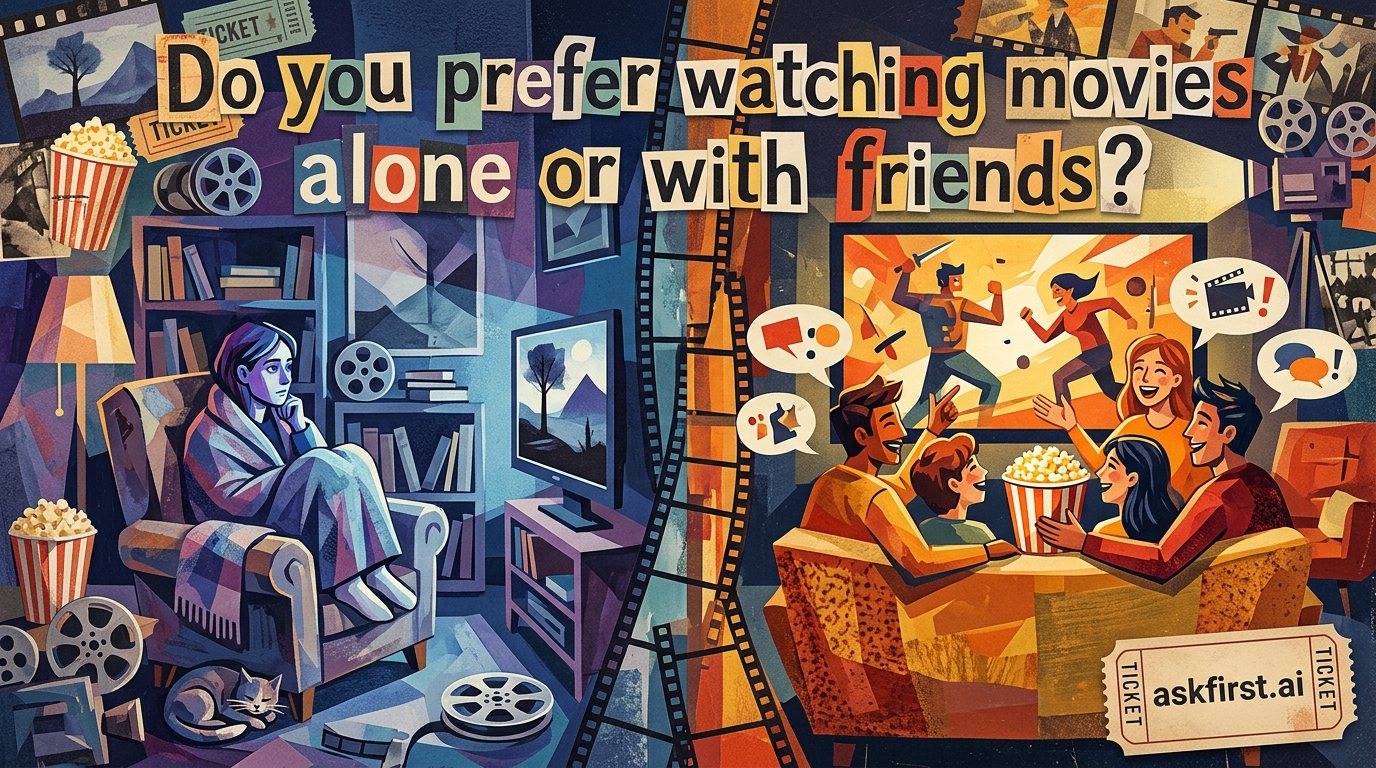
The choice between watching a film in solitude or within a social setting is not merely a matter of convenience; it represents a fundamental decision about how the human brain processes narrative, emotion, and sensory input. Both environments offer distinct psychological advantages, shaping the depth of engagement with the screen.
The Case for Solitary Cinema: Deep Cognitive Engagement
Watching a movie alone creates an environment of total sensory control. When an individual engages with a film in isolation, the lack of external social pressures allows for a state of "flow," a psychological concept popularized by Mihaly Csikszentmihalyi, where one becomes fully absorbed in the activity.
- Uninterrupted Narrative Processing: In solitary viewing, the cognitive load is minimized. There is no need to translate thoughts into dialogue for a companion. This allows the viewer to focus entirely on subtext, cinematography, and complex thematic motifs.
- Emotional Autonomy: Movies are designed to trigger specific visceral responses. Watching alone allows for the unrestricted processing of emotions. Whether the film aims to provoke tears, intense fear, or existential wonder, solitude provides a safe space for genuine, uninhibited reaction.
- Direct Aesthetic Connection: Studies in film theory suggest that solitary viewers are more likely to notice the technical nuances of a production—lighting transitions, sound design, and character blocking—that might otherwise be missed during the distraction of social chatter.
The Case for Social Cinema: Co-Regulation and Shared Meaning
Watching a film with friends taps into the human need for social bonding and co-regulation. Social psychologists note that watching media in a group setting alters the chemical response within the brain, often heightening the intensity of the experience through a phenomenon known as emotional contagion.
- The Power of Mirror Neurons: When humans view others experiencing a reaction, mirror neurons in the brain fire in sympathy. In a group setting, laughter is more robust and shocks are more startling because the group validates and amplifies the stimulus. This is the physiological basis of the "theatre experience."
- Social Cohesion through Narrative: A shared cinematic experience provides a ready-made platform for communication. After the film, the collective dissection of plot points, character motivations, and thematic meanings strengthens social bonds. This "post-movie debrief" functions as a form of social grooming, where individuals align their values and perspectives.
- Enhanced Memory Retention: Research indicates that shared experiences are often remembered more vividly. Associating a film with the specific laughter or reactions of a companion creates a "mnemonic anchor," making the cinematic memory more durable and emotionally significant over time.
Balancing the Two: The Expert Perspective
There is no objectively superior method, as both modes of consumption serve different needs within the human hierarchy of experiences.
The Solitude Protocol: Choose to watch alone when the film is conceptually dense, highly artistic, or intended for personal reflection. Solitary viewing is essentially a form of mindful meditation where the film acts as the anchor for self-exploration. When the intention is to study the craft of filmmaking, solitude is the professional choice.
The Social Protocol: Choose to watch with friends when the film is intended for high-arousal entertainment, such as action blockbusters, comedies, or suspense thrillers. These genres rely on shared adrenaline and collective release. Using a movie as a social conduit is an excellent strategy for relationship maintenance and stress reduction.
Conclusion: The Dual Nature of Perception
Ultimately, the choice relies on the viewer's current psychological goal. Does the viewer require an introspective journey, or do they seek the validation and joy of collective human experience? By understanding the mechanisms behind both, individuals can intentionally curate their viewing environment to maximize the impact of every cinematic experience. Whether through the quiet mirror of solitude or the vibrant feedback loop of friendship, the power of cinema remains a unique gateway to understanding the human condition.