The Phenomenon of Identity Alienation
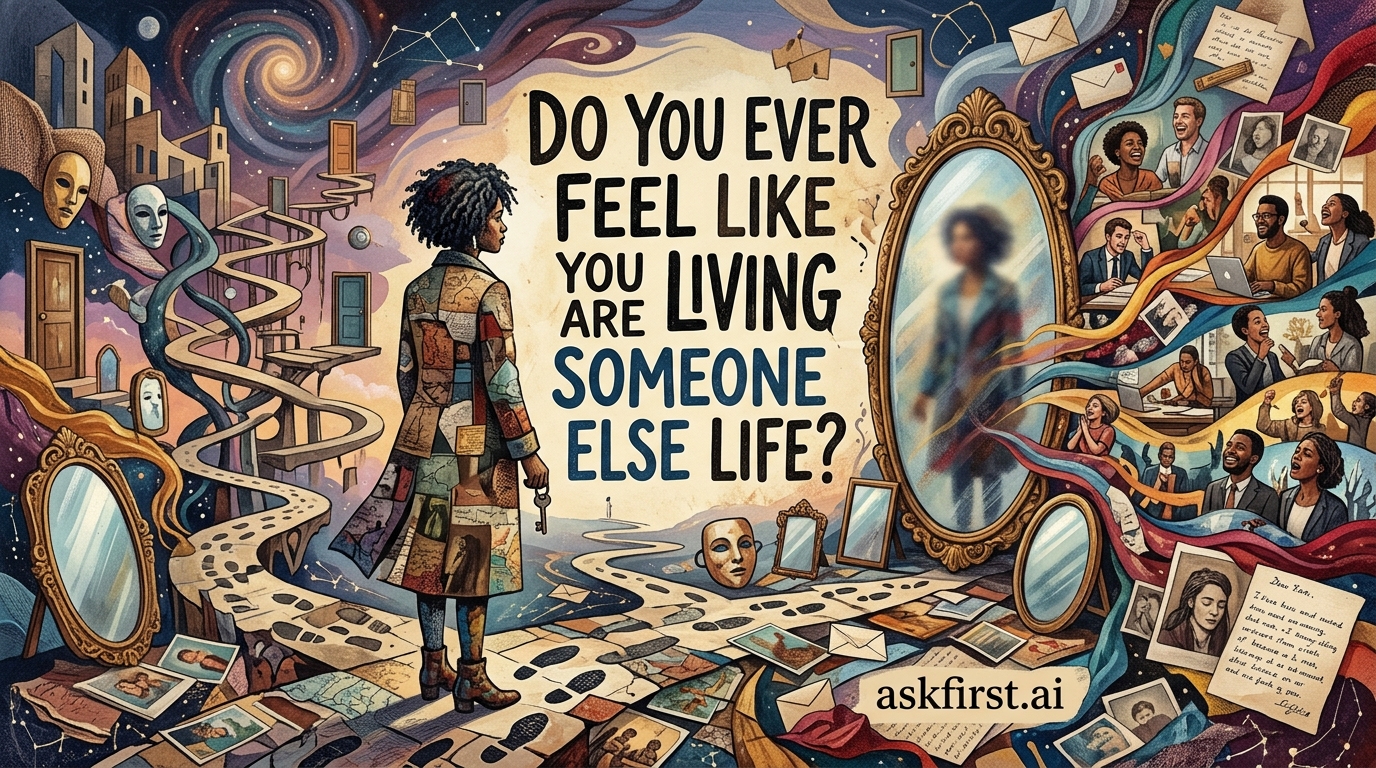
Many individuals frequently experience a profound sense of detachment, often referred to as the sensation of living someone else's life. This psychological state is not necessarily a symptom of pathology, but rather a complex interplay between social conditioning, neurobiology, and the evolutionary drive to conform. Understanding why this feeling arises requires a deep dive into the architecture of the human ego and the societal pressures that shape the internal narrative.
The Social Mirror and Performance
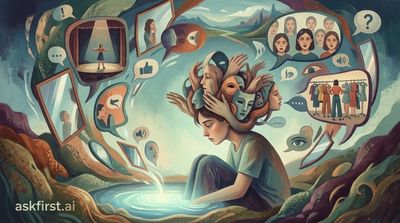
Sociologists, such as Erving Goffman, have long argued that identity is a performative act. From a young age, individuals learn to present 'fronts' to fit into specific social scripts. When the internal values of a person drift too far from the external requirements of their role—whether that role is a professional title, a family obligation, or a social archetype—the brain registers a cognitive dissonance. This dissonance manifests as the feeling that the current existence is 'borrowed' rather than authentically owned.
- The Persona Trap: The construction of a persona—a term famously explored by Carl Jung—acts as a protective shield for the individual in society. However, when the persona becomes too rigid, it suffocates the authentic self.
- The Comparison Bias: In the modern era, constant exposure to curated digital versions of others' lives creates a baseline for 'expected' human experience. When one's own trajectory fails to mirror these high-definition external expectations, the feeling of living a secondary script intensifies.
Neurobiological Underpinnings: The Default Mode Network
Neuroscience offers a fascinating perspective on why this sense of unreality occurs. The Default Mode Network (DMN), a group of brain regions that activate when people are not focused on a specific task, is highly active when one ruminates on their life story. Studies suggest that when the DMN is overly focused on past memories or projected future roles rather than the present moment, the individual loses a sense of 'embodied' presence. This mental distancing is often interpreted as being an observer in one's own life rather than a participant.
Strategies for Reclaiming Identity
To move away from this sense of alienation, one must actively engage in identity reclamation through conscious adjustment of the following domains:
Audit Personal Values: Frequently, the feeling of living 'someone else's life' stems from chasing goals that were inherited from parents, educators, or media rather than forged through self-discovery. Writing down personal core values provides a blueprint for what an 'authentic' life looks like for that specific individual.
Practice Mindfulness for Embodiment: Regular mindfulness practices, such as focused attention training, can quiet the DMN and bring the brain back into the present moment. By shifting from conceptual thinking to sensory experience, individuals often report a heightened sense of 'being' in their own body.
The 'Agency' Exercise: To combat the feeling of being a passenger, experts suggest making small, intentional choices that contradict established habits. This reinforces the brain's recognition of autonomy and individual agency over one's own environment.
Psychological Growth Through Discomfort
It is crucial to recognize that feeling detached is not inherently negative; it is often a signal from the psyche that it is time for a transition. Existential psychologists suggest that this feeling acts as a 'call to adventure.' It alerts the individual that the current environment no longer matches the internal growth potential of the person. Embracing this discomfort can lead to significant psychological integration and the shedding of outdated social expectations.
Conclusion
Living one's own life is a continuous project of deliberate construction. It requires the courage to dismantle scripts that were written by others and the persistence to compose a unique, authentic narrative. By understanding that this sense of alienation is a common, albeit misunderstood, part of the human condition, individuals can transform that confusion into a catalyst for self-actualization and personal freedom. The goal is not to escape the life being lived, but to fully inhabit it by aligning external actions with internal truths.