The Resurgence of the "Third Place": Reclaiming Our Social Fabric
In an era defined by hyper-connectivity through digital screens and the increasing isolation of remote work, we have collectively lost something vital: the "Third Place." Sociologist Ray Oldenburg, in his seminal 1989 work The Great Good Place, defined the Third Place as a social environment separate from the two primary spheres of home (the "first place") and the workplace (the "second place"). These are the coffee shops, public libraries, barbershops, diners, and community centers where people gather, converse, and build civic bonds without the pressure of productivity or the intimacy of domesticity. Bringing back the culture of the Third Place is not merely a nostalgic desire; it is a structural necessity for mental health and social cohesion in 2026.
The Anatomy of a Third Place
According to Oldenburg’s research, a true Third Place must possess specific characteristics. It is highly accessible, often within walking distance of the neighborhood. It is characterized by a "leveling" effect, where social status, wealth, and professional titles are stripped away, allowing a CEO and a student to discuss local politics as equals. The conversation is the primary activity, and the environment is playful rather than transactional.
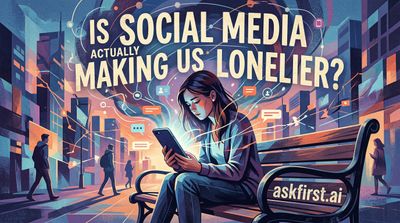
Consider the historical example of the Parisian café culture in the early 20th century, documented by authors like Ernest Hemingway in A Moveable Feast. These cafes served as the living rooms of the city. They were spaces where ideas were tested, friendships were forged, and the pulse of the community was measured. Today, we have replaced these vibrant hubs with algorithmic echo chambers. When we spend our leisure time on social media platforms, we are participating in a digital simulation of community that lacks the physical presence, non-verbal cues, and shared environmental reality of a real-world Third Place.
Why the Third Place Disappeared
The decline of the Third Place is not accidental; it is the result of deliberate urban planning and economic shifts. Since the mid-20th century, North American urban design has prioritized the automobile over the pedestrian. As noted in Jane Jacobs’ classic text, The Death and Life of Great American Cities, when we design cities for cars rather than people, we destroy the "sidewalk ballet"—the spontaneous interactions that occur when people move through their neighborhoods on foot.
Furthermore, the "commodification of space" has made it difficult for third places to survive. Many modern establishments require a purchase for every hour of occupancy, effectively pricing out those who simply want a place to exist without the pressure to consume. When a space becomes purely transactional, it loses its soul. The local pub or the community library, where one could sit for hours without being a "customer" in the traditional sense, has been replaced by sleek, high-turnover establishments that prioritize profit margins over social utility.
The Path Toward Rebirth
To bring back the Third Place, we must rethink our relationship with public space. This involves three concrete strategies:
- Policy-Driven Urbanism: City planners must prioritize mixed-use zoning that mandates community-accessible ground floors. We need to move away from the "bedroom community" model and toward the "15-minute city" concept, as advocated by urbanist Carlos Moreno. In a 15-minute city, every resident can access their daily needs and social hubs within a short walk or bike ride.
- The "Library Model" for Public Space: We should champion spaces that do not require spending money to enter. Libraries are the last bastion of the true Third Place. Expanding their role to include maker spaces, community meeting rooms, and public forums is essential. As author Eric Klinenberg explains in Palaces for the People, these "social infrastructures" are the primary predictors of community resilience during crises.
- Intentional Analog Interaction: Individuals must reclaim their agency by choosing physical venues over digital ones. This means organizing neighborhood block parties, joining local hobbyist clubs that meet in person, and choosing to work from a public library or local cafe instead of a home office.
Concrete Examples of Success
Some communities are already successfully reviving this trend. In places like Copenhagen, the concept of hygge—a quality of coziness and comfortable conviviality—is woven into the urban fabric. Public parks are equipped with seating that encourages face-to-face interaction rather than isolation. In Portland, Oregon, the "pod" culture—where food carts congregate around shared seating areas—has created modern-day village squares where diverse groups of people interact daily. These spaces work because they are informal, low-stakes, and centered on the shared experience of the local neighborhood.
Conclusion
The loss of the Third Place has contributed to the epidemic of loneliness that defines the modern age. We have traded the messy, unpredictable, and profoundly human experience of the neighborhood square for the sterile, curated, and isolating experience of the digital feed. By intentionally designing our cities for people rather than cars, and by choosing to invest our time in physical, non-transactional spaces, we can reclaim the social fabric of our lives. It is time to step out of the home, leave the workplace behind, and rediscover the joy of the public square. The future of our community depends not on better technology, but on better places to simply be together.