The Intersection of Passion and Prosperity: A Strategic Overview
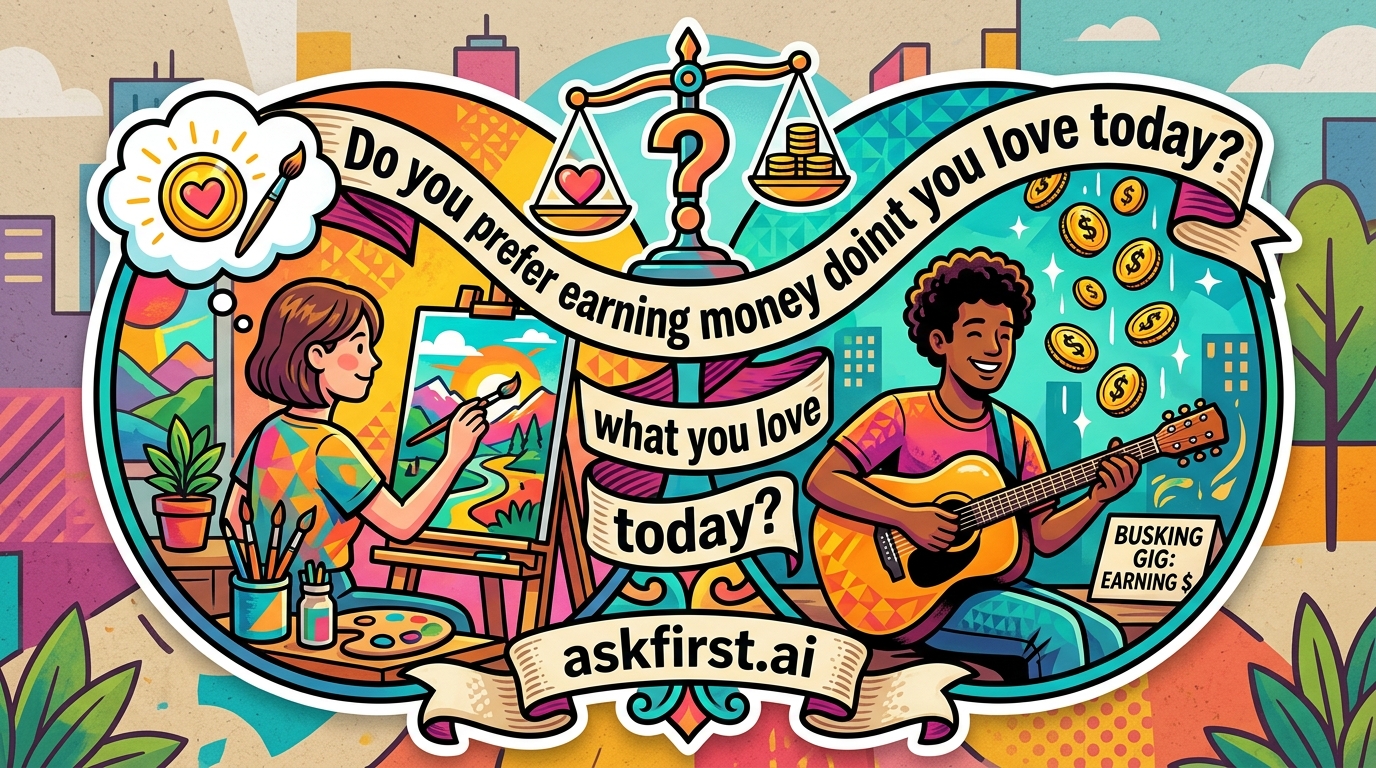
The age-old debate surrounding the pursuit of passion versus the pursuit of profitability represents a fundamental pivot point in human professional development. While the modern ethos often promotes the mantra to 'follow your passion,' experts argue that a more nuanced approach—often referred to as 'passion-led pragmatism'—offers a more sustainable path to long-term success. Achieving mastery in a field often requires the transformation of an innate interest into a high-value skill set.
The Psychological Architecture of Earning
Psychologically, the intrinsic motivation derived from genuinely enjoying one's labor correlates directly with increased resilience and output quality. According to studies in organizational psychology, individuals who perceive their work as a 'calling' exhibit higher levels of professional engagement. However, the economic reality mandates that market demand dictates the monetary value of a craft. Therefore, the goal is not merely to perform an activity for pleasure, but to position that activity within a market niche where it solves a quantifiable problem.
- Cognitive Load Management: When individuals engage in work they find stimulating, they experience a 'flow state.' This state reduces the cognitive exhaustion associated with traditional labor, allowing for sustained innovation.
- Skill Arbitrage: Leveraging unique interests allows professionals to bridge gaps between disparate industries, creating a unique 'monopoly of one' where competition is minimized.
Strategic Implementation: Building the Bridge
Transitioning from hobbyist to professional requires moving beyond simple interest. It demands a rigorous commitment to continuous improvement and market observation. One does not simply wake up and profit from a passion; one builds an infrastructure around it. This process follows several critical stages:
- Validation of Market Utility: Research indicates that passion alone is insufficient if the output does not provide tangible value to others. The first step involves determining whether a target audience exists for the work performed.
- Iterative Skill Acquisition: Constant refinement of the craft is essential. Expert performance is the product of deliberate practice, a concept pioneered by psychologists to explain how high-performers achieve elite levels of proficiency.
- Financial Infrastructure: Developing a revenue model—whether through product development, service provision, or content distribution—is what separates a hobby from a sustainable career path.
Addressing the 'Burnout' Myth
Critics of the 'love what you do' movement often cite the risk of burnout as a primary concern. They argue that applying monetary pressure to a creative passion destroys the original joy of the activity. However, data suggests that burnout stems more often from a lack of autonomy and a misalignment of values rather than from the activity itself. When an individual maintains control over their process, the professionalization of a passion can actually enhance the sense of satisfaction.
The Role of Technology in Modern Professionalism
In the digital era, the barrier to entry for turning passion into profit has never been lower. Global marketplaces, low-code platforms, and digital communication tools allow individuals to scale their interests far beyond local geographical constraints. The ability to reach global audiences means that even the most niche interests can sustain a profitable enterprise. Utilizing these tools effectively requires a hybrid skill set: one must be both the artisan of the craft and the architect of the brand.
Long-Term Sustainability and Evergreen Success
For success to be truly evergreen, it must adapt to the evolving landscape of global technology. Those who rely solely on static skills eventually face obsolescence. True success lies in cultivating an 'identity-based' approach to work, where the primary objective is to maintain a professional standard that aligns with personal values. By prioritizing the intersection of competence, market demand, and intrinsic interest, professionals ensure their careers remain resilient against economic cycles.
In conclusion, the preference for earning money through one's passions is not merely a lifestyle choice but a strategic optimization of human labor. By treating one's interests as a raw material for value creation, individuals can build careers that offer both emotional fulfillment and financial security. This path is not an easy one—it requires discipline, strategic foresight, and an unwavering commitment to quality—but for those willing to do the work, the rewards are both tangible and deeply rewarding.