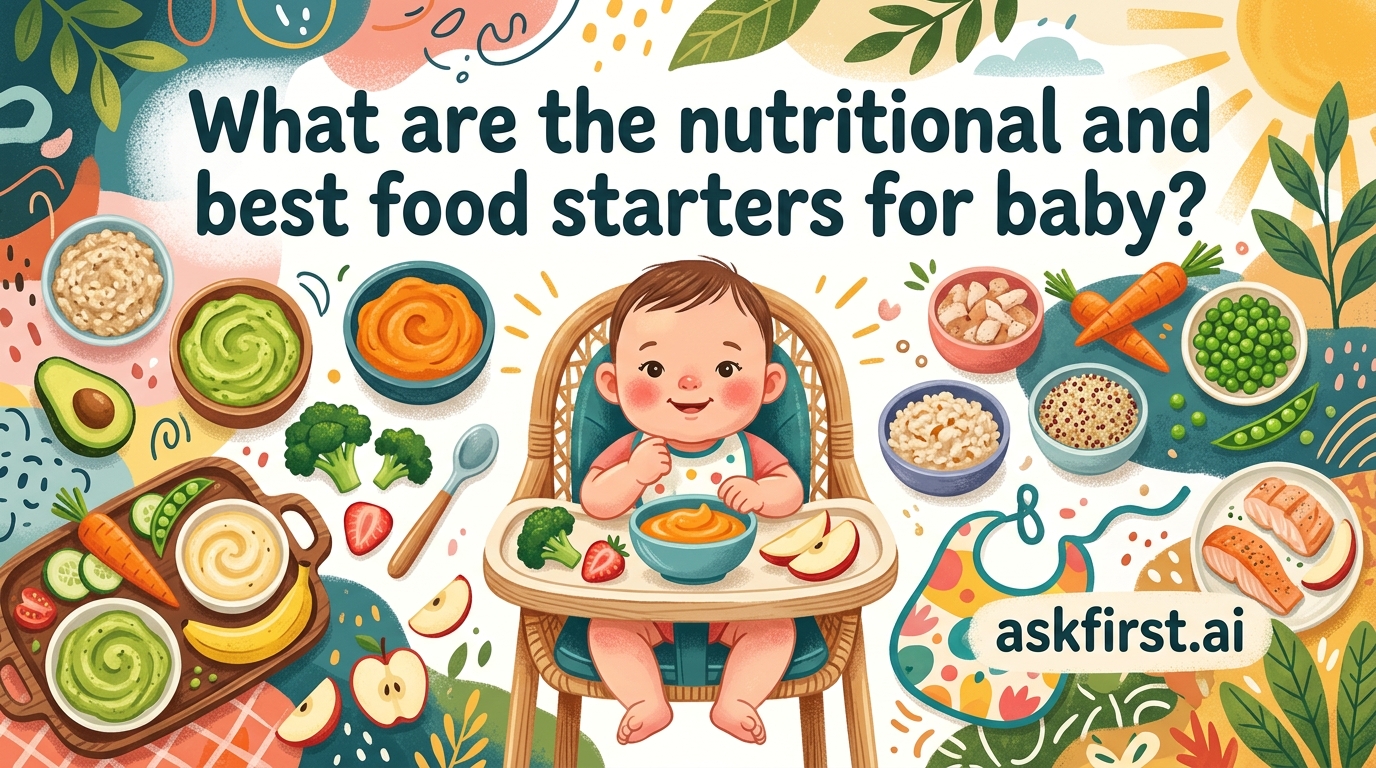
The Foundation of Infant Nutrition: Navigating the First Foods
Introducing solids to an infant—a phase typically beginning around six months of age—is a monumental milestone in development. It is not merely about caloric intake; it is about palate development, oral-motor skill acquisition, and establishing a relationship with nutrient-dense foods. As pediatric nutritionists emphasize, the "first foods" phase is a window of opportunity to influence long-term eating habits and ensure the prevention of micronutrient deficiencies, particularly iron.
Nutritional Priorities for the First Year
When a baby reaches the six-month mark, their iron stores, which were accumulated in utero, begin to deplete significantly. Consequently, the primary nutritional goal for an infant starting solids is the consumption of iron-rich foods. According to the American Academy of Pediatrics (AAP) in their clinical report "Feeding Infants and Toddlers," breast milk alone may no longer suffice for iron requirements after the first six months.
Beyond iron, the focus should be on:
- Zinc: Essential for immune function and cell growth.
- Healthy Fats: Crucial for the rapid development of the infant brain.
- Calcium and Vitamin D: For skeletal integrity.
- Fiber: To support a developing digestive microbiome.
It is vital to avoid added sugars and excessive sodium, as an infant’s kidneys are still maturing and their taste preferences are highly impressionable.
Best Food Starters: A Tiered Approach
When choosing the first foods, consistency and nutrient density are the dual pillars of success. Whether you choose the traditional spoon-feeding method or Baby-Led Weaning (BLW), the following foods serve as gold-standard starters.
1. Iron-Fortified Cereals and Grains
Historically, rice cereal was the universal first food. However, modern pediatric science, as discussed by Dr. Alan Greene in his book Feeding Baby Green, suggests a more diverse approach. Oatmeal and barley are superior to rice cereal due to their higher fiber content and lower risk of inorganic arsenic exposure. These grains should be mixed with breast milk or formula to maintain a familiar flavor profile.
2. Nutrient-Dense Animal Proteins
Meat is often overlooked as a first food, yet it is arguably the most important. Pureed or finely ground beef, lamb, or dark-meat chicken provide heme iron, which is significantly more bioavailable than the non-heme iron found in plants. In the book Baby-Led Weaning by Gill Rapley and Tracey Murkett, the authors advocate for offering soft, cooked strips of meat that the infant can grasp, ensuring they receive high-quality protein and B12 vitamins from the very first bites.
3. The Power of "Superfood" Vegetables
Vegetables like avocado and sweet potato are excellent starters. Avocado is particularly valuable because it is rich in monounsaturated fats, which are essential for neurological development. Sweet potatoes offer beta-carotene and a natural sweetness that appeals to the infant palate without the need for artificial sweeteners. Steaming and mashing these to a smooth consistency ensures safety and ease of digestion.
4. Legumes and Pulses
Lentils and chickpeas are nutritional powerhouses. When well-cooked and pureed into a smooth hummus or soup, they provide a plant-based source of protein and folate. Introducing legumes early is also a strategic move in allergy prevention, as consistent exposure to diverse food groups can lower the risk of developing food sensitivities later in life.
Critical Considerations: Texture and Safety
The transition from liquid to solid requires a careful progression of textures. Initially, foods should be thin, smooth purees or soft, mashable solids that can be easily squished between the tongue and the roof of the mouth.
Safety Protocols:
- The Three-Day Rule: Introduce one new food at a time and wait three days before introducing another. This helps parents identify potential allergic reactions (rashes, vomiting, or diarrhea).
- Avoid Choking Hazards: Never offer whole grapes, nuts, popcorn, or large chunks of raw vegetables. Everything must be cooked until soft or processed into a safe consistency.
- Responsive Feeding: Pay attention to the infant’s cues. Turning the head away, pushing the spoon, or closing the mouth are clear signals that the baby is full. Forcing a baby to finish a portion can interfere with their natural ability to self-regulate caloric intake.
The Role of Allergenic Foods
Old advice suggested delaying the introduction of common allergens like peanuts, eggs, and fish. However, landmark research, such as the LEAP (Learning Early About Peanut Allergy) Study published in the New England Journal of Medicine, has overturned this. The study demonstrated that early introduction of peanut products significantly reduces the risk of developing a peanut allergy. Therefore, once an infant has tolerated a few basic foods, it is recommended to introduce allergens one by one, in small, safe quantities, while monitoring for any adverse reactions.
Conclusion
Starting an infant on solid foods is an exciting, albeit complex, journey. By prioritizing iron-rich proteins, healthy fats, and a diverse array of vegetables, parents can set the stage for a lifetime of healthy eating. The key is to remain patient, observe the infant's unique preferences, and focus on the quality of nutrients rather than the quantity of food consumed. By following evidence-based guidelines—such as those provided by the World Health Organization (WHO) regarding the introduction of complementary foods—parents can feel confident that they are providing the best possible start for their child's physical and cognitive development. Always consult with a pediatrician to tailor these nutritional guidelines to your infant's specific health needs and developmental pace.