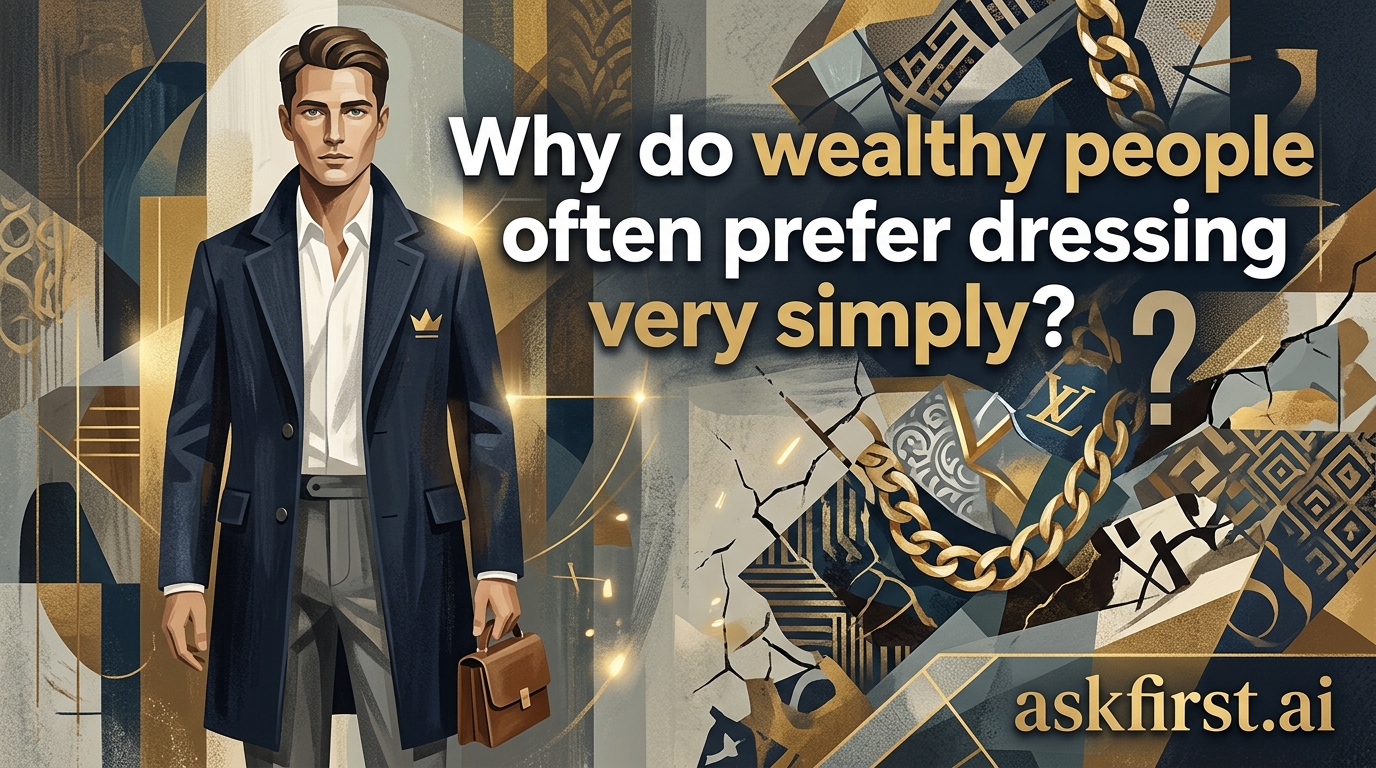
The Psychology of Minimalist Affluence: Understanding the 'Uniform' Aesthetic
It is a striking irony that the wealthiest individuals on the planet often eschew the ostentatious displays of fashion one might expect from those with unlimited resources. From the iconic black turtlenecks of Steve Jobs to the plain grey t-shirts of Mark Zuckerberg, the 'billionaire uniform' has become a hallmark of modern high-net-worth status. This deliberate choice to dress simply is not a lack of interest in fashion; it is a sophisticated strategic approach to lifestyle management, rooted in cognitive science, social psychology, and economic efficiency.
1. Combating Decision Fatigue
At the core of this minimalist aesthetic lies the concept of decision fatigue. Every individual possesses a finite amount of mental energy to expend on choices throughout the day. Psychologists have long documented that as the volume of decisions increases, the quality of decision-making deteriorates. High-level executives, entrepreneurs, and visionary leaders make consequential, complex decisions involving billions of dollars or millions of users on a daily basis. By eliminating the trivial task of choosing an outfit each morning, they preserve their cognitive reserves for high-impact professional choices. Reducing morning friction ensures that their 'mental budget' remains intact for tasks that truly move the needle.
2. The Power of Intellectual Signaling
For the ultra-wealthy, social signaling shifts from the external to the internal. While the nouveau riche may rely on logos, labels, and high-fashion trends to communicate their status, the established elite often engage in intellectual signaling. By wearing understated clothing, these individuals communicate that their worth is not tied to the vanity of transient trends. It is a subtle display of confidence; they do not need the 'armor' of expensive clothing to establish authority in a boardroom. The 'uniform' becomes a shorthand for a singular focus, a trait highly valued in venture capital and executive circles as a indicator of singular, mission-driven dedication.
3. Economic Efficiency and the 'Quiet Luxury' Movement
Minimalism is inherently efficient. The 'Quiet Luxury' or 'Old Money' aesthetic focuses on durability, classic silhouettes, and superior fabrics rather than seasonal flair. When a wealthy individual invests in high-quality basics, they are essentially practicing a form of long-term asset management. Instead of spending time navigating fast-fashion cycles, they invest in items that last for years. This is not about being cheap; it is about recognizing the high opportunity cost of time. Spending four hours a week shopping for clothes is a massive loss of utility for someone whose time is valued at thousands of dollars per hour.
4. Avoiding the Trap of Hedonic Adaptation
Wealthy individuals often understand the trap of hedonic adaptation—the human tendency to quickly return to a baseline level of happiness despite positive or negative life changes. Purchasing luxury items provides a fleeting dopamine spike, but it rarely leads to sustained satisfaction. By choosing a simple, repeatable wardrobe, successful people insulate themselves from the endless loop of wanting the 'next best thing.' It is a form of emotional regulation that prevents the external noise of the fashion industry from influencing their personal contentment.
5. Authenticity and Personal Branding
In an era of performative social media, there is a growing premium on perceived authenticity. Dressing consistently helps solidify a personal brand. When a public figure wears the same style daily, it becomes a recognizable visual identity. It removes the ambiguity of their image and allows their actions and words to take center stage. This creates a powerful, unmistakable brand presence that does not require seasonal updates to remain relevant.
Why This Trend Remains Evergreen
This phenomenon transcends current fashion cycles because it is grounded in universal principles of human performance:
- Prioritization: It forces a separation of the vital from the trivial.
- Cognitive Preservation: It saves mental energy for complex tasks.
- Status Distinction: It differentiates those who define their success by external appearance versus those who define it by output.
Ultimately, the choice to dress simply is an act of reclaiming autonomy. It suggests that while money provides the freedom to buy anything, the true luxury lies in having the mental clarity to not want everything. In the race for innovation and leadership, the individuals who win are those who eliminate the friction in their lives to focus on the future.