The Psychology of Cinematic Immersion: Solitude Versus Social Bonding
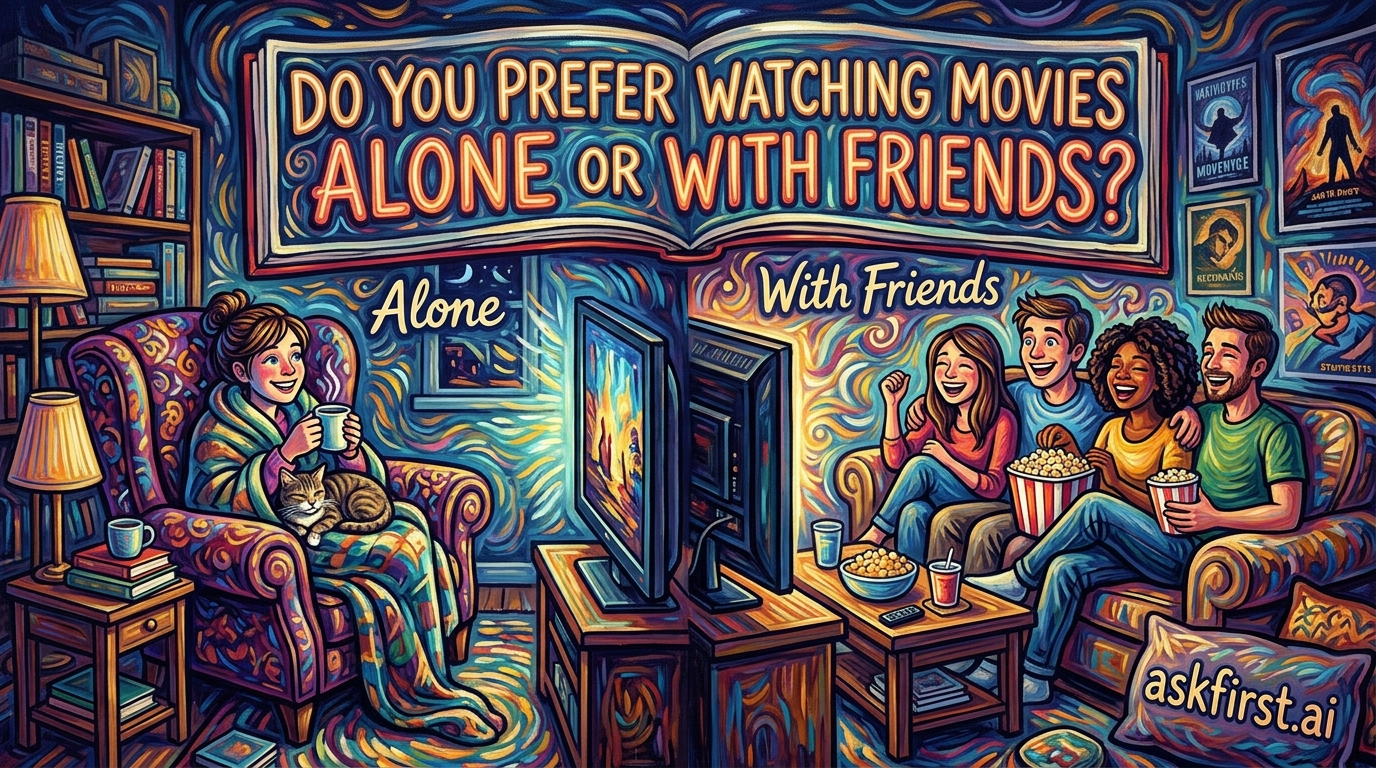
Choosing between watching a motion picture in isolation or within a social group is more than a matter of scheduling; it represents a fundamental choice in how the human brain processes storytelling, emotional resonance, and social cognitive feedback. Both environments offer distinct neurological and psychological advantages, shaping the long-term memory and appreciation of the art form.
The Solitary Experience: Uninterrupted Cognitive Flow
Watching movies in solitude creates a state of 'deep absorption' or 'flow' that is difficult to replicate in group settings. When an individual engages with a film alone, there are no social filters applied to their reactions. This unfiltered connection with the narrative allows for:
- Heightened Emotional Sensitivity: Without the subconscious need to perform reactions for others—such as laughing, sighing, or appearing stoic—an individual can experience a raw, unadulterated emotional response to the plot.
- Cognitive Integration: Solitude facilitates better processing of complex or nuanced cinematic motifs. Studies in media psychology suggest that solitary viewers are more likely to notice subtle visual symbolism, recurring metaphors, and non-linear narrative structures because their cognitive load is not divided between the screen and interpersonal monitoring.
- Personalized Pacing: The ability to pause, rewind, or sit in silence during the credits allows for immediate critical reflection, which aids in long-term memory encoding of the film’s themes.
The Social Experience: Emotional Contagion and Shared Identity
Conversely, watching a film with friends or in a public theater environment activates the social brain. Humans are biologically hardwired for social mirroring, a phenomenon known as 'emotional contagion.'
- Amplified Emotional Responses: Psychological research into collective experiences indicates that laughter is significantly more contagious in groups. Watching a comedy with friends amplifies the humor through audible social validation, while watching a thriller creates a sense of shared safety or collective tension. This amplification often leads to a more intense physiological reaction.
- Social Bonding and Cohesion: The act of shared viewing acts as a bonding mechanism. Discussing the film afterward serves as a form of collaborative meaning-making, where friends compare their perspectives, debate character motivations, and solidify group identity through shared interpretation.
- The Paradox of Distraction: While social interaction can lead to potential distractions, it also provides a unique lens through which the film is filtered. A friend’s perspective can draw attention to details one might have overlooked, effectively enhancing the film's total intellectual value.
Neurological Impacts: The Social Brain vs. The Focused Brain
From a neuroscience perspective, the brain processes narrative content differently based on the presence of others. In a social setting, the brain’s mirror neuron system is heavily engaged, monitoring the facial expressions and micro-gestures of companions. This is why a film viewed with a loved one often leaves a deeper emotional footprint—it is tied to the relational value of the person beside the viewer.
However, for complex films requiring high working memory capacity, social settings can act as a barrier to entry. The brain becomes saturated by the 'social task' of monitoring the room, which can prevent the deep integration of complex motifs or abstract cinematic language.
How to Choose Your Viewing Environment
To maximize the utility of cinema, consider the intent behind the selection:
Choose Solitude For:
- Complex or Arthouse Films: Movies that require deep focus, intellectual rigor, and patience to decode.
- Personal Growth or Healing: Films meant to provoke deep introspection or reflection on one's own life experiences.
- First-Time Viewings: To ensure a pure, uninfluenced engagement with the director’s original vision.
Choose Social Viewing For:
- Genre Entertainment: Comedies, action-packed blockbusters, or horror films thrive on the 'shared adrenaline' provided by a social audience.
- Reinforcing Relationships: Selecting films that serve as a bridge for conversation and shared emotional growth.
- Public Event Cinema: The energy of a packed theater provides an intangible value that turns a simple viewing into a cultural event.
In conclusion, the decision between solitary and social viewing should be dictated by the desired outcome. If the goal is a transformative, hyper-focused intellectual experience, solitude is the optimal path. If the goal is community, emotional bonding, and amplified excitement, the social experience is superior. By curating the viewing environment, individuals can significantly enhance the way they consume and remember cinematic narratives for years to come.