The Culinary Paradox: The Enduring Allure of Peanut Butter and Pickle Sandwiches
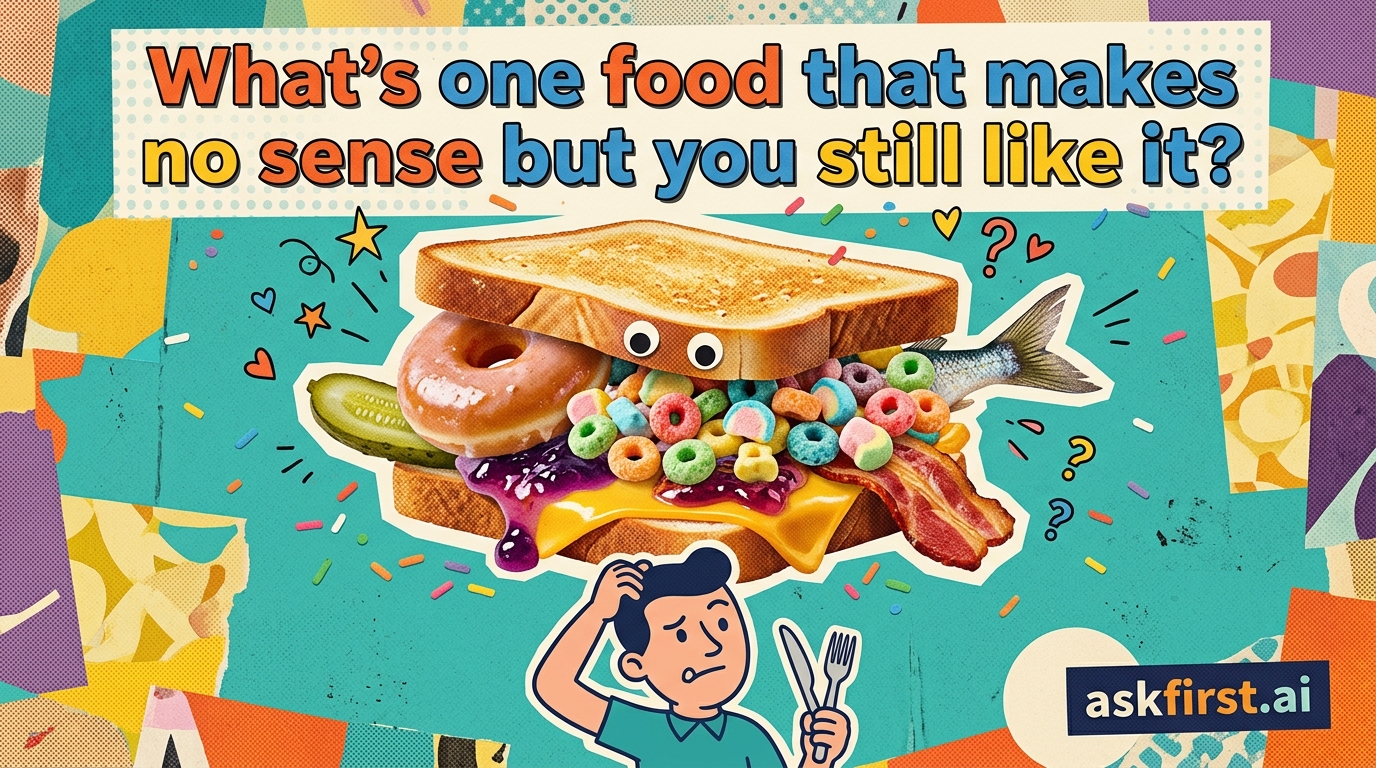
In the vast, interconnected world of gastronomy, there exists a peculiar intersection where flavor profiles collide in a way that defies conventional culinary logic. While the standard palate expects sweet to pair with sweet or savory to complement savory, there is one specific combination that consistently baffles the uninitiated while commanding a cult-like following: the peanut butter and pickle sandwich. To the uninitiated, this pairing sounds like a sensory disaster—a sticky, nutty spread clashing with a sharp, acidic, and crunchy brine. Yet, for those who have dared to cross the threshold, it represents a perfect harmony of texture and taste.
The Chemistry of the "Impossible" Pairing
To understand why this combination works, one must look toward the science of flavor balancing. According to Samin Nosrat in her seminal work, Salt, Fat, Acid, Heat, the fundamental pillars of a successful dish rely on the interplay of these four elements. Peanut butter is an incredibly dense source of fat and protein, often carrying a subtle sweetness and a deep, earthy roasted profile. On the other side of the spectrum, a dill pickle—specifically a kosher dill preserved in vinegar and salt—provides the "acid" and "salt" that cut through the richness of the nut butter.
When you take a bite of this sandwich, the fat from the peanut butter coats the tongue, creating a luxurious mouthfeel. As you chew, the acidity of the pickle acts as a palate cleanser, preventing the peanut butter from feeling too heavy or cloying. The crunch of the pickle also serves a vital structural purpose, providing a necessary textural contrast to the otherwise uniform, creamy consistency of the spread. This is a classic example of "flavor contrast," a technique often used in high-end cuisine to wake up the taste buds.
A Historical Perspective on Odd Pairings
The popularity of the peanut butter and pickle sandwich is not merely a modern internet trend; it has deep roots in American culinary history. During the Great Depression, when access to fresh, diverse ingredients was severely limited, home cooks had to be inventive with their pantry staples. Peanut butter was a cheap, calorie-dense source of protein, and pickles were a common household preservation staple.
As noted by culinary historian Andrew F. Smith in his book Peanut: A Global History, the versatility of the peanut allowed it to be paired with almost anything available in the larder. While many of the combinations born of necessity faded away, the peanut butter and pickle sandwich persisted. It appeared in regional cookbooks throughout the mid-20th century, often cited as a "quick lunch" for school children. It is a testament to the idea that necessity is the mother of invention, and sometimes, those inventions hit upon a biological sweet spot that keeps us returning for decades.
The Sensory Experience: Why It Persists
The appeal of this sandwich is deeply tied to the concept of "sensory-specific satiety." Humans are evolutionarily wired to seek out complex flavor profiles. Eating the same flavor—for example, just a spoonful of plain peanut butter—can become boring or overwhelming quickly. However, by introducing the sharp, vinegary notes of a pickle, you reset your palate with every bite. This makes the experience of eating the sandwich dynamic rather than static.
Furthermore, there is a psychological component to enjoying "weird" foods. Engaging with a dish that others find off-putting can create a sense of culinary identity. When you prepare this sandwich, you are participating in a long-standing tradition of defying food norms. Whether you use smooth or chunky peanut butter, or whether you prefer bread-and-butter pickles for a sweeter profile or spicy chips for a kick, the customization options allow the eater to tailor the experience to their specific cravings.
Practical Tips for the Aspiring Connoisseur
If you are looking to try this combination for the first time, the quality of your ingredients is paramount.
- The Bread: Use a sturdy, toasted sourdough or a dense whole-grain bread. Soft, white sandwich bread often dissolves too quickly under the weight of the peanut butter and the moisture of the pickle.
- The Peanut Butter: A high-quality, natural salted peanut butter provides the best foundation. Avoid overly sugary commercial brands, as they can clash too harshly with the vinegar.
- The Pickle: The "dill" component is essential. A crisp, cold, high-quality deli-style pickle provides the best crunch. Ensure you pat the pickle slices dry with a paper towel before placing them on the bread to avoid a soggy sandwich.
Conclusion
The peanut butter and pickle sandwich is a masterclass in how culinary rules are meant to be broken. It challenges our preconceptions about what "belongs" together and rewards those who are willing to experiment with a surprising, satisfying, and deeply textural experience. By balancing the heavy, fatty, and nutty notes of the peanut with the sharp, acidic, and bright notes of the pickle, this humble sandwich proves that some of the best flavors are found in the most unlikely of places. While it may make no sense on paper, one bite is usually all it takes to understand why it has remained a staple in pantries across the globe.