The Cinematic Dilemma: Social Viewing vs. Solitary Immersion
When exploring the optimal environment for film consumption, enthusiasts often find themselves polarized between two distinct experiences: the shared social event and the deeply solitary ritual. Understanding the psychological implications of each setting provides a profound insight into how the human brain processes storytelling and emotional resonance. There is no singular 'correct' way to consume cinema; rather, both modalities offer unique cognitive and emotional advantages.
The Case for Solitary Immersion
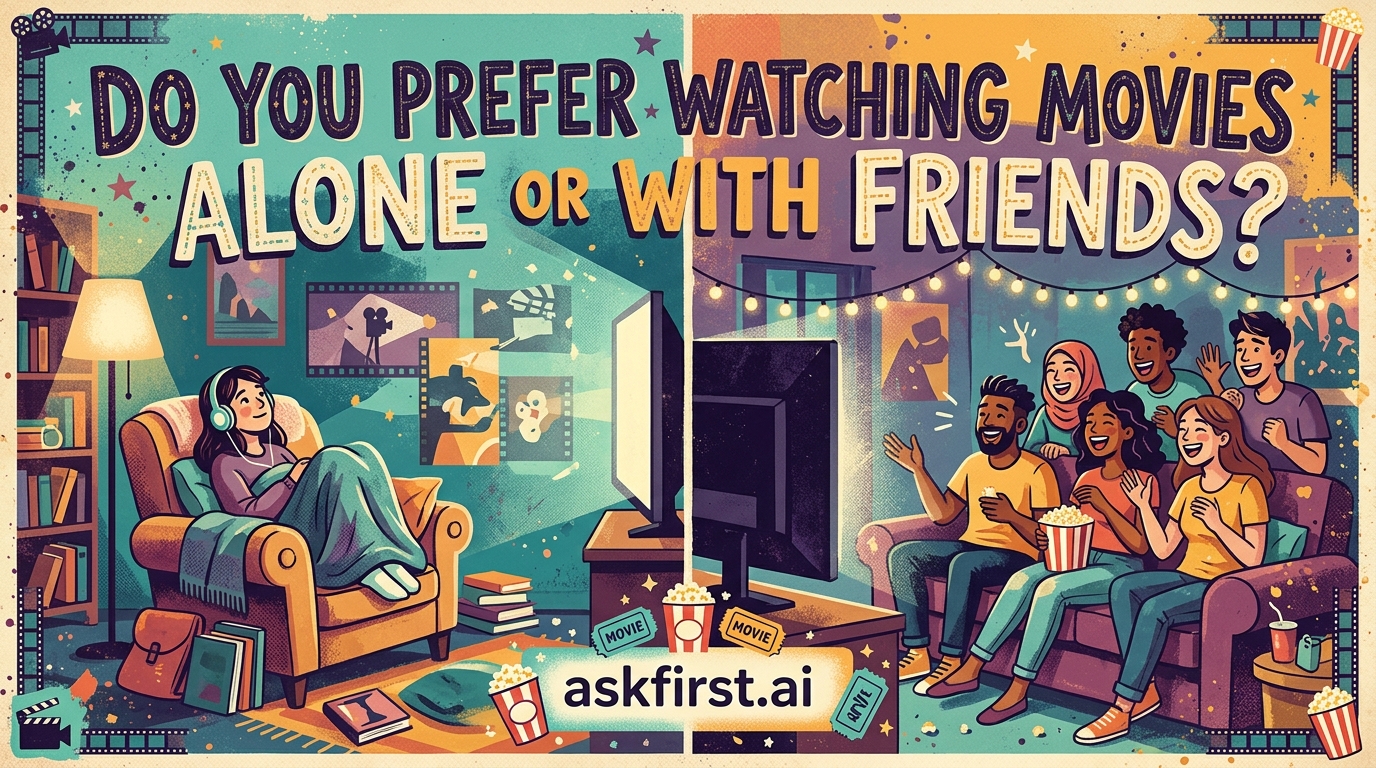
Watching movies alone functions as a form of sensory meditation. Without the presence of other individuals, the viewer achieves total control over the environment, which significantly reduces external interference. This mode of consumption fosters what psychologists call 'flow state'—an intense focus where the boundary between the viewer and the medium begins to dissolve.
Key benefits of solitary viewing include:
- Uninterrupted Emotional Processing: Certain films, particularly those with complex narrative arcs or heavy dramatic themes, require a significant cognitive load. Solitude allows the viewer to process these moments without the pressure of maintaining a social persona.
- Total Sensory Control: Individual preferences regarding lighting, volume, and seating can be perfectly tailored. This customization optimizes the technical presentation, which is vital for cinephiles focusing on cinematography and sound design.
- Freedom of Pacing: Solo viewers retain the autonomy to pause, rewind, or stop the film entirely to ponder a specific sequence or analyze a director's choice. This creates an academic-like engagement with the material.
The Dynamics of Shared Viewing
Conversely, watching a film with friends or family shifts the experience from internal reflection to communal connection. This practice taps into the biological phenomenon of 'co-regulation,' where humans synchronize their physiological states. When a group watches a film, shared laughter, fear, or excitement creates a collective emotional pulse.
The social advantages of film consumption:
- Enhanced Emotional Mirroring: Research into 'social facilitation' suggests that emotions are amplified when experienced in groups. A comedic scene becomes objectively funnier, and a suspenseful sequence becomes more palpable when witnessed through the reactions of others.
- Immediate Post-Credit Discourse: The shared experience creates an instant social bond through the dissection of narrative twists and thematic meaning. This collaborative interpretation often reveals details that an individual viewer might have overlooked.
- Shared Memory Formation: Films viewed in social contexts frequently transform into cultural artifacts within a specific friend group. These shared memories reinforce social bonds, transforming a simple piece of media into an anchor for group identity and historical sentiment.
Understanding the Psychological Trade-off
Choosing between these modes involves balancing two distinct psychological needs: the need for intimacy and the need for autonomy. For those who utilize cinema as an intellectual pursuit or a way to recharge after intense social stimulation, the solitary experience is generally superior. It permits a deep dive into the 'auteur' vision of the director without the distraction of social maintenance.
However, for those who view cinema primarily as a communal activity meant to bridge gaps between individuals, shared viewing is the pinnacle of the experience. It serves as a tool for strengthening social cohesion through the shared exploration of fictional worlds. Whether a film is intended to be a 'spectacle' or a 'thesis,' the environment of the room dictates how much of that intention is actually absorbed.
The Future of Media Consumption
As digital platforms continue to proliferate, the choice between these two environments has become more accessible than ever. Virtual watch parties and streaming services are effectively bridging the gap by allowing for distributed communal viewing. Yet, the core choice remains: does one value the purity of the isolated artist-viewer connection, or the warmth of the collective human experience?
Ultimately, the most effective approach is to categorize the film before starting it. A dense, artistic masterpiece often yields more value in solitude, while a genre film, a blockbuster, or a classic comedy thrives in the presence of an audience. By consciously choosing the environment based on the content of the film, viewers can maximize the psychological and emotional yield of every single frame. This intentionality shifts cinema from a passive pastime into an active practice of self-discovery and social connection.