The Psychology of Cinematic Immersion: Solitude Versus Social Bonding
The act of watching a film is far more than mere passive consumption; it is an active psychological engagement that triggers distinct neurological and social responses. Whether an individual chooses to experience cinema in the profound silence of solitude or the vibrant energy of a group setting determines the nature of the emotional resonance produced. This guide explores the multifaceted benefits of both modes of viewership.
The Case for Solitary Cinema: Total Cognitive Absorption
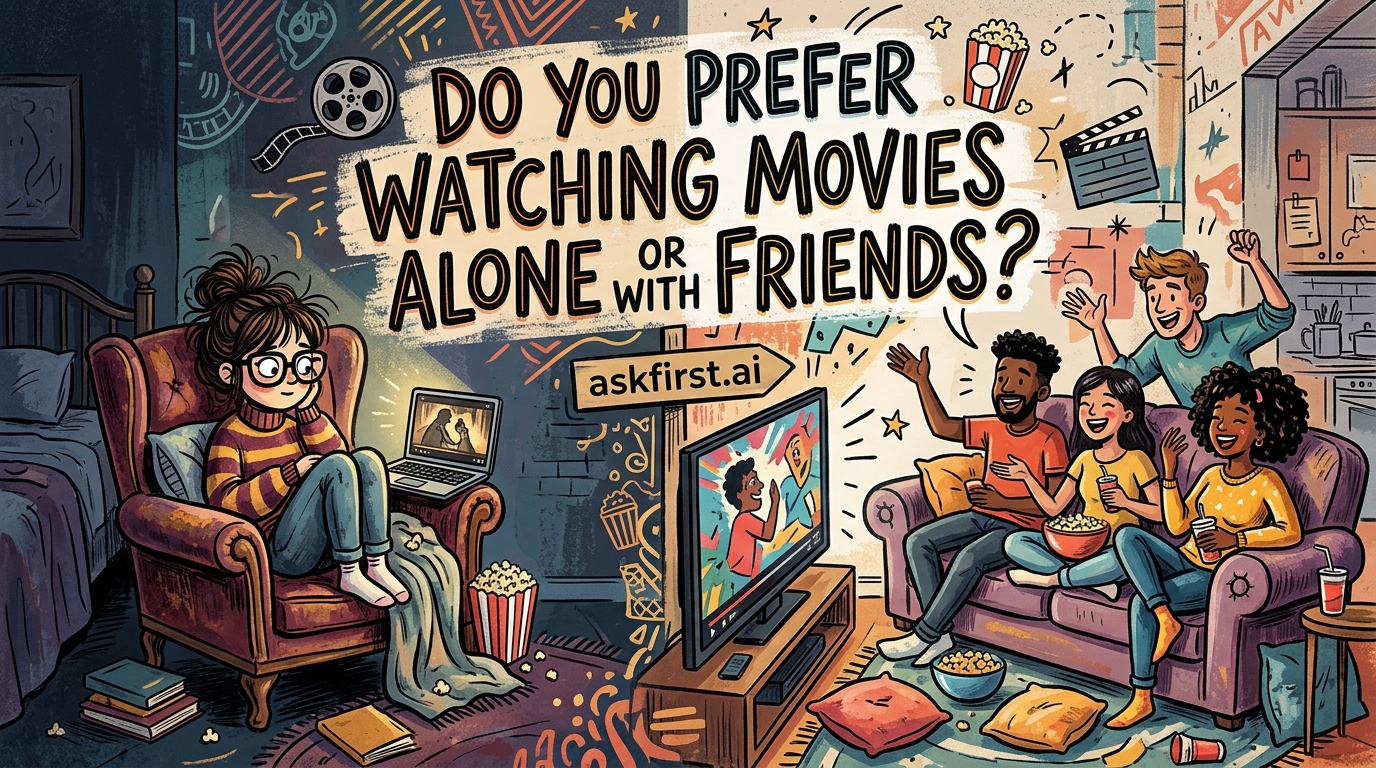
Watching a movie alone provides a sanctuary for complete psychological immersion. When distractions are removed, the viewer enters a state often referred to as 'flow.' This state is characterized by intense focus where the boundary between the viewer and the narrative begins to blur.
- Uninterrupted Empathy: Solitude allows for a deeper connection with the internal monologues of characters. Without the presence of peers, one is free to experience nuanced emotional responses, including crying or laughing, without the implicit pressure of self-consciousness.
- Cognitive Processing: Complex films, particularly those in the noir, psychological thriller, or avant-garde genres, require significant cognitive load. Solitary viewing enables the brain to synthesize complex metaphors and narrative arcs without the distraction of external conversation.
- The Myth of Loneliness: Often misunderstood as an antisocial act, solitary movie watching is actually a form of 'recharging' or self-care. It empowers the individual to curate their own environment, select the specific aesthetic experience they desire, and control the pacing of the medium entirely.
The Dynamics of Shared Cinema: The Social Mirror
Conversely, watching a movie with friends introduces the powerful psychological mechanism of 'social mirroring.' Humans are inherently communal creatures, and the shared experience of cinema acts as a bridge for collective empathy.
- Shared Emotional Regulation: When watching a horror or tension-filled film, the collective gasp or sudden silence of a group helps to regulate one's own physiological stress responses. Psychologists note that shared emotional experiences lead to the release of oxytocin, the bonding hormone.
- Post-Film Discourse: The most significant advantage of social viewing is the 'debrief.' Engaging in critical analysis with friends following a film serves as an intellectual expansion. Research suggests that discussing cinematic themes reinforces memory retention and deepens critical thinking skills. This dialogue transforms the film from a fleeting entertainment into a shared cultural touchstone.
- Group Identity Formation: Ritualized movie nights contribute to the longevity of friendships. Shared tastes in genre or franchise preferences solidify social identity and create a lexicon of inside jokes and references that strengthen interpersonal ties over many years.
Comparative Analysis: Choosing the Right Context
The choice between watching alone or with others should be predicated on the intent of the viewer. If the goal is self-reflection or the deep study of cinematic craft, solitary viewing is objectively superior. If the objective is the reinforcement of social bonds and communal joy, the group setting remains unparalleled.
| Feature | Solitary Viewing | Social Viewing |
|---|---|---|
| Focus | Deep Narrative Immersion | Shared Social Bonding |
| Emotional Impact | Raw and Personal | Mirror-reflected and Amplified |
| Primary Benefit | Cognitive Autonomy | Interpersonal Connection |
| Ideal Genre | Art-house, Psychological | Comedy, Action, Blockbusters |
Recommendations for Optimal Cinematic Health
To maximize the benefits of cinema, practitioners should utilize a hybrid approach. Devote 'intellectual sessions' to solo viewing to fully grasp complex storytelling techniques, and reserve 'connective sessions' for collaborative viewing. By intentionally alternating between these two environments, one can achieve a balanced life that values both the sanctity of the private mind and the warmth of social interaction. Ultimately, the question is not which is better, but rather which mode best serves the current psychological needs of the spectator. By treating the environment of viewing with as much importance as the film itself, one transforms entertainment into an intentional life practice.