The Psychology of Cinematic Immersion: Solitude Versus Social Bonding
The Anatomy of the Cinematic Experience
When exploring the dichotomy of watching films in isolation versus a communal setting, one enters a complex intersection of social psychology, neurobiology, and aesthetic appreciation. While the traditional view positions the cinema as a shared ritual, modern trends highlight significant cognitive differences in how individuals process narrative content based on their social surroundings.
The Case for Solitary Viewing: Deep Immersion and Cognitive Flow
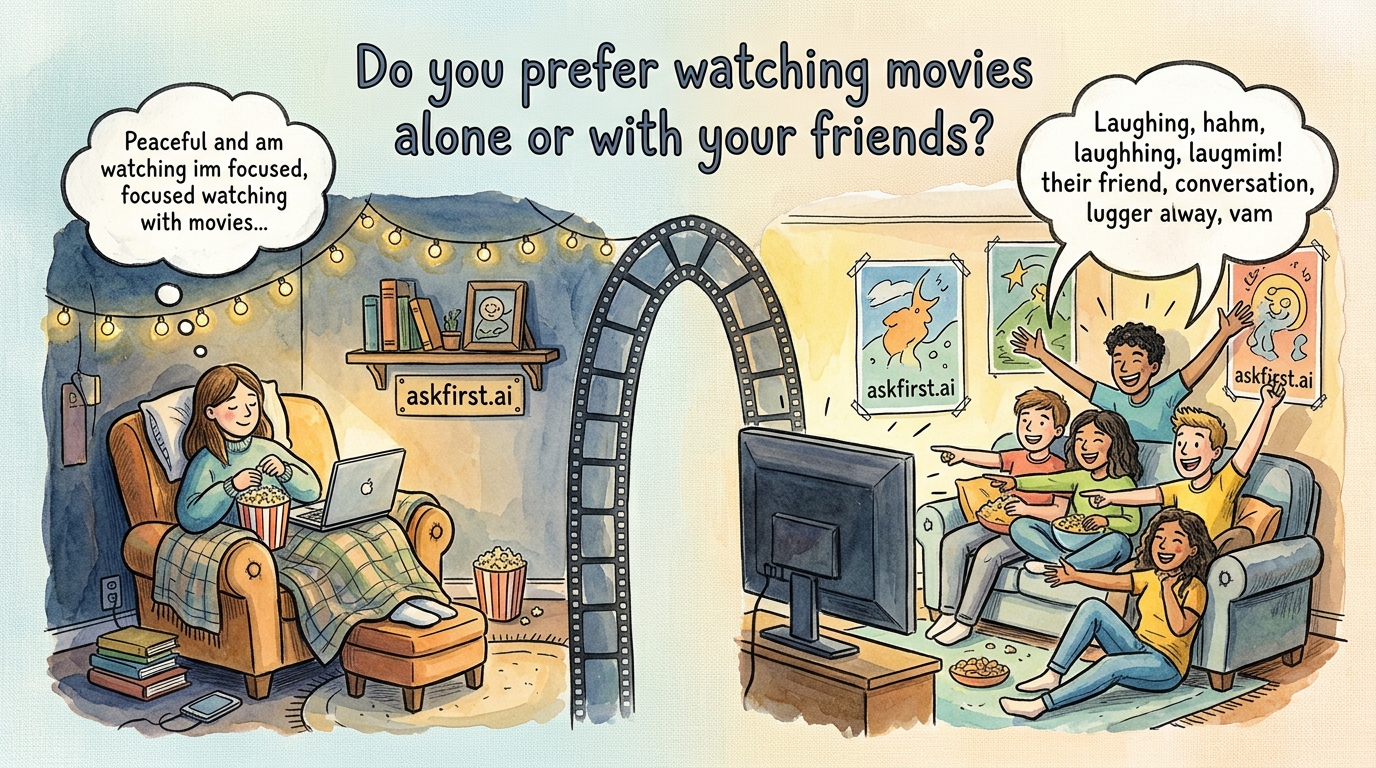
Watching a film alone offers an unobstructed pathway to what psychologists call 'flow'—a state of total immersion where the boundary between the viewer and the medium dissolves. Without the secondary sensory distractions of commentary, fidgeting, or shared glances, the brain processes complex visual and auditory cues with higher acuity. Research in cognitive science suggests that solitary viewing allows for a phenomenon known as 'parasocial intimacy.' By removing the social filter, the viewer establishes a direct, unfiltered connection with the characters, facilitating deeper emotional resonance. For complex narratives involving nuanced subtext, non-linear timelines, or psychological thrillers, solitude acts as an incubator for analytical thinking. The brain is not tethered to the social expectations of responding to others, thereby freeing up cognitive resources to contemplate the philosophical weight of the film’s themes.
The Social Synergy: Why Group Viewing Triggers Emotional Resonance
Conversely, watching a movie in the company of friends leverages the 'social mirroring' effect. Humans are biologically hardwired to process emotions in a collective context. When a group watches a dramatic climax or a comedic turn together, the collective reaction—gasping, laughing, or silence—amplifies the intensity of the experience. This phenomenon is rooted in the concept of emotional contagion. Shared laughter, for instance, releases a surge of endorphins that makes the comedy feel objectively funnier than it would in isolation. Beyond biochemical reactions, social viewing serves as a powerful bonding agent. After the credits roll, the post-movie analysis—a process often referred to as 'co-construction of narrative'—is where the real value lies. This discussion serves to validate individual interpretations, refine critical viewpoints, and foster group cohesion.
Critical Comparison: The Balancing Act
| Feature | Solitary Viewing | Social Viewing |
|---|---|---|
| Focus | Internal / Analytical | External / Experiential |
| Emotional Intensity | Deep, Introspective | Shared, Amplified |
| Social Benefit | None (Personal Growth) | High (Bonding) |
| Cognitive Load | Lower (Focused) | Higher (Multitasking) |
The Myth of 'The Best Way'
It is a common myth that one mode is inherently superior to the other. Rather, the optimal choice depends heavily on the 'genre-context' pairing.
- Genre Selection: High-concept art house cinema often demands the quietude of a solo screening to appreciate the director’s visual language. In contrast, blockbusters, horror films, and comedies thrive in communal environments where energy is exchanged and heightened.
- Personal Personality Types: Introverted individuals may find social viewing draining as they must manage both the film’s narrative and the social nuances of their companions. Extroverts, however, often find the lack of interaction in solitary viewing to be isolating rather than enriching.
Environmental Factors: The Third Option
With the advent of high-fidelity home theater systems and sophisticated streaming platforms, the line between the private and the public experience has blurred. The 'Hybrid Experience'—where viewers interact with virtual communities in real-time while watching a film—represents a contemporary shift. This allows for the benefits of solitary immersion combined with the feedback loop of social interaction.
Conclusion: Intentionality is Key
The choice between watching alone or with others should be treated as a deliberate decision based on what the viewer seeks to gain. If the objective is a rigorous study of cinematic craft, a quiet, solitary environment is advisable. If the goal is the strengthening of interpersonal connections and a heightened sense of emotional participation, communal viewing is the gold standard. Ultimately, understanding how environment dictates perception is the first step toward becoming a more conscious and engaged consumer of culture. The magic of the moving image lies not just in the frames themselves, but in the internal and external landscapes those frames ignite within the viewer.