The Psychology of Cinematic Immersion: Solitude Versus Social Viewing
The act of watching a film is a fundamental human pastime, yet the social context of that experience drastically alters the psychological processing of media. Research into cognitive psychology and social behavior reveals that both viewing environments offer distinct neurological and emotional benefits. Determining the superior method requires a deep dive into how human brains interpret stimuli.
The Case for Solitude: Radical Immersion
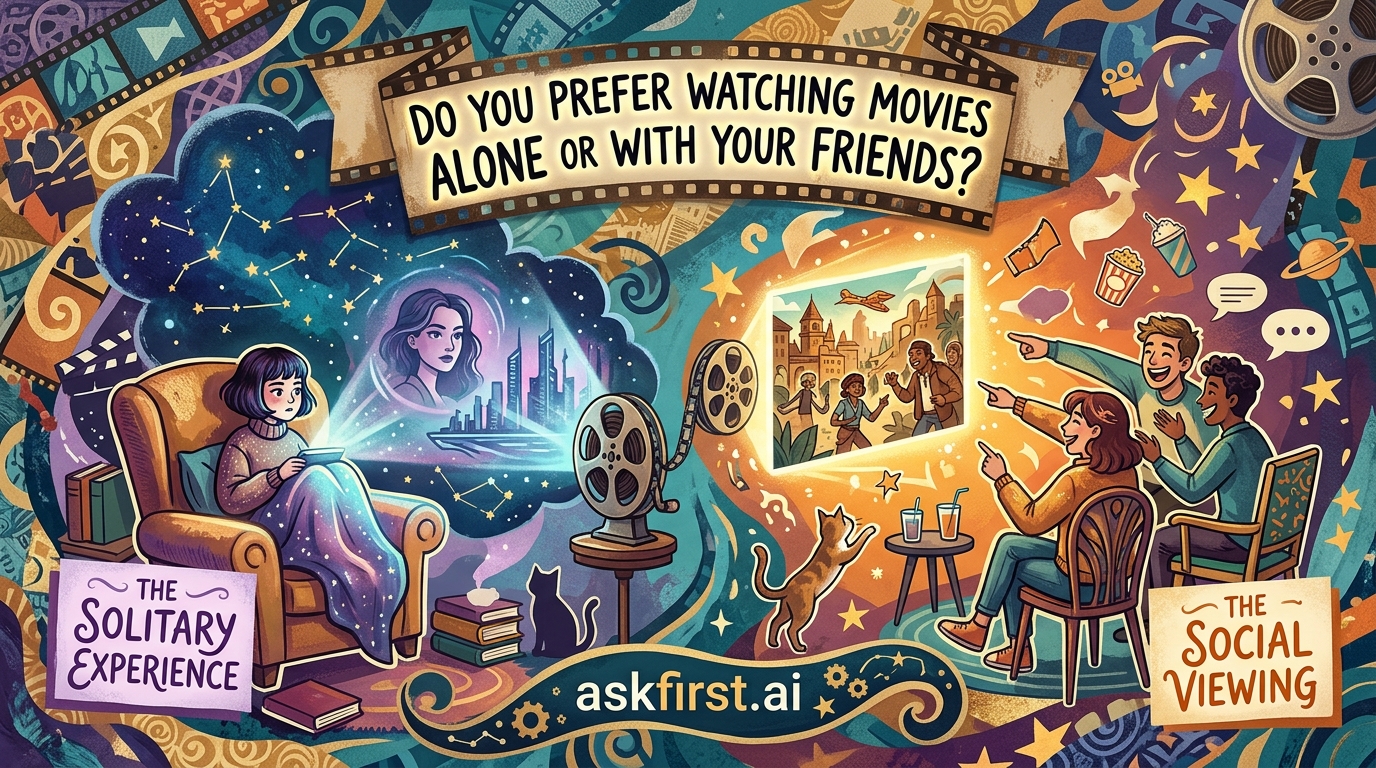
Watching a film alone facilitates a psychological state known as 'flow.' When an individual engages with a narrative without the interference of external social cues, the capacity for empathetic resonance increases significantly. This is primarily because the brain does not need to allocate processing power toward managing social presence or monitoring the reactions of others.
Key benefits of the solitary experience:
- Hyper-focus: Cognitive resources are dedicated entirely to thematic analysis and aesthetic appreciation.
- Emotional Authenticity: Without the influence of 'social mirroring'—the urge to laugh or gasp when others do—reactions become entirely genuine.
- Narrative Pacing: The viewer maintains control over the physical environment, allowing for moments of introspection or rewinding to catch subtle visual storytelling clues.
Psychologists note that solitary viewing often leads to higher levels of 'parasocial connection' with characters. Because the viewer feels like the sole witness to the narrative, the intensity of character relationships often deepens, fostering a sense of intellectual and emotional intimacy with the film's themes.
The Social Experience: Shared Emotional Co-regulation
Conversely, viewing movies in a group setting serves an essential evolutionary function: social bonding. Sharing a cinematic experience triggers the release of oxytocin—the 'cuddle hormone'—which solidifies social ties and reinforces group identity. This phenomenon is often referred to as 'emotional co-regulation,' where the shared rhythm of reaction validates individual emotions.
The social advantages include:
- Synchronized Responses: Laughing or crying at the same time creates a sense of collective effervescence, a term coined by sociologist Émile Durkheim to describe moments of shared transcendent energy.
- Post-Viewing Synthesis: The immediate discussion that follows a film serves as a method of cognitive processing, allowing participants to unpack complex themes and cultural allegiances.
- Conflict Mitigation: Group viewing requires negotiation and compromise, which fosters patience and emotional intelligence.
From a neurological perspective, being in a group setting adds a layer of 'social noise' that can actually heighten arousal levels. This is why comedies are famously funnier in theaters; the collective reaction acts as a social proofing mechanism, signaling to the brain that humor is present, which in turn lowers the threshold for laughter.
Which Approach Reigns Supreme?
The preference between solitude and social interaction is not a matter of quality, but of intent. If the objective is deep analytical study, the exploration of complex artistic nuances, or the therapeutic need for emotional release without judgment, solitude is the optimal environment. It provides a sanctuary where the film acts as a mirror for the viewer’s own internal landscape.
If the objective is community, social reinforcement, or the pure joy of contagious enthusiasm, group viewing is unparalleled. The film becomes a secondary element—the catalyst for the primary experience, which is the strengthening of interpersonal bonds.
The Evolving Landscape of Viewing Habits
In the current digital age, the lines between these two modes are blurring. With the advent of 'watch parties' and integrated chat features on streaming platforms, viewers are attempting to synthesize the solitude of their private homes with the social presence of digital companions. While this hybrid model aims to capture the best of both worlds, it often lacks the physiological intensity of shared physical space.
Ultimately, the choice relies on the specific needs of the viewer at that moment. A film is a sophisticated vessel of communication, and whether it hits its mark depends entirely on the vessel in which it is consumed. By alternating between both modes, individuals can maximize their appreciation of cinematic art, ensuring that no facet of the storytelling experience remains unexplored. Whether analyzing the cinematic structure in deep silence or roaring with laughter alongside friends, the key is intentionality in how one curates the viewing environment to match the desired psychological outcome.