The Intersection of Cinema and Psychology
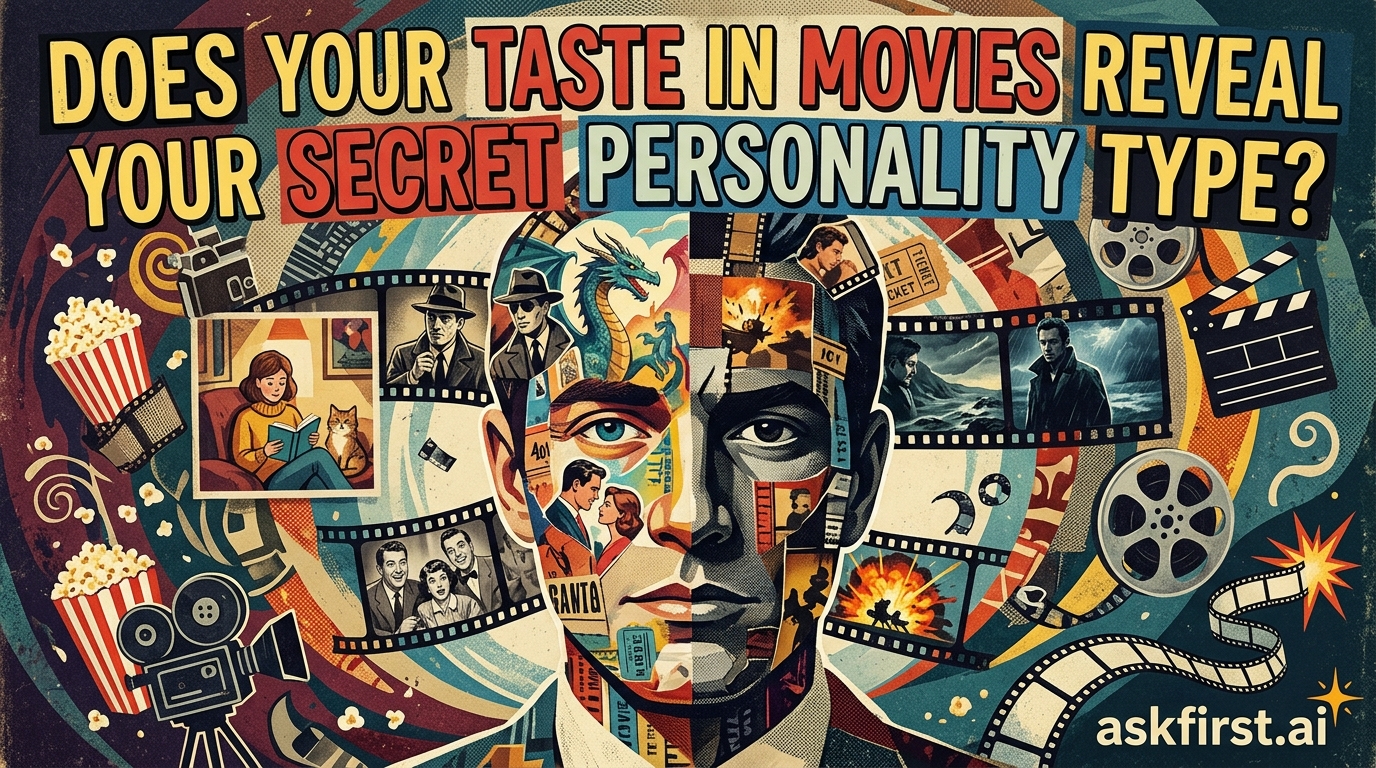
The relationship between media consumption and human psychology has long been a subject of fascination for cognitive scientists and personality researchers. While the preference for a specific movie genre might seem like a trivial pursuit of entertainment, psychological studies suggest that these choices often act as a digital fingerprint for underlying personality traits. Utilizing models such as the Big Five personality traits—Openness, Conscientiousness, Extraversion, Agreeableness, and Neuroticism—researchers have identified recurring patterns that link cinematic preferences to deep-seated behavioral tendencies.
Openness to Experience: The Art-House Aficionado
Individuals who score high in Openness are characterized by a profound appreciation for imagination, abstract ideas, and novelty. In the realm of cinema, this demographic gravitates toward complex narratives, independent films, and unconventional storytelling structures. Rather than seeking the comfort of predictable superhero blockbusters, these individuals prefer content that challenges their cognitive boundaries and prompts introspection. Psychological research published in journals such as Personality and Individual Differences consistently shows that high openness correlates with an interest in documentaries, foreign-language cinema, and films that explore existential themes.
Extraversion: Seeking High-Octane Engagement
Extraversion is linked to a higher need for external stimulation. Individuals who identify as highly extraverted tend to favor fast-paced, high-intensity movies. Action films, high-concept thrillers, and blockbuster spectacles are preferred because they provide high levels of physiological arousal. These viewers often seek social connection through media, viewing popular releases as a way to engage in shared cultural experiences. The communal aspect of a movie theater or the anticipation of a major release acts as a catalyst for extraverts who thrive on energetic environments.
Agreeableness: Empathy and Character Dynamics
Those who score high on Agreeableness exhibit high levels of empathy and a focus on social harmony. This personality trait is frequently aligned with an affinity for romantic comedies, family-oriented dramas, and character-driven stories where emotional resolution is paramount. For the agreeable viewer, a movie is not just a visual spectacle but a moral lesson or an exploration of human relationships. These viewers often favor films that reinforce prosocial behaviors and prioritize communal values over cynicism or moral ambiguity.
Conscientiousness: Order and Intellectual Stimulation
Conscientious individuals—characterized by organization, dependability, and goal-oriented behavior—tend to appreciate structure. Their taste in movies often favors narratives that feature clear causal relationships, such as mystery films, crime procedurals, or historical epics. The satisfaction derived from connecting the dots in a well-plotted mystery appeals to the cognitive desire for order and logic. Unlike the abstract-seeking high-openness individual, the conscientious viewer finds joy in mastery, clear stakes, and narratives that reward attention to detail.
Neuroticism: The Need for Catharsis
Neuroticism involves a higher sensitivity to negative stimuli and emotional fluctuations. Interestingly, individuals who score higher in neuroticism do not necessarily avoid stressful movies; rather, they often use cinema as a tool for emotional regulation. The consumption of 'sad' films or intense horror movies provides a controlled space for catharsis. By experiencing intense emotions within the safe parameters of a screen, viewers can process their internal anxieties and find comfort in the resolution of fictional conflicts.
The Role of 'Optimal Arousal'
At the core of this phenomenon is the theory of 'Optimal Arousal.' Every human has an ideal level of neurological stimulation they find pleasurable. If a person's baseline arousal is low, they might seek high-intensity horror films to 'spike' their engagement. If a person's baseline is already high, they might seek meditative or low-stimulation documentaries to bring their internal state into balance. This subconscious regulation demonstrates that movie choices are rarely random; they are active, functional decisions made to maintain psychological homeostasis.
Cultural Influences vs. Innate Personality
While personality traits play a significant role, it is essential to acknowledge the influence of cultural identity and socioeconomic factors. However, cross-cultural studies indicate that even when accounting for geography, the link between personality types and genre preference remains remarkably stable. This consistency suggests that cinema preference is a byproduct of innate cognitive wiring rather than purely environmental conditioning. By examining why an individual feels drawn to a specific style of filmmaking, one gains a rare, unfiltered glimpse into the motivations and priorities that define their unique identity.
Conclusion: The Cinema-Personality Connection
In conclusion, while a single film choice does not define a personality, the pattern of one’s cinematic preferences serves as a compelling map of their inner world. Whether a viewer seeks the intellectual expansion of avant-garde drama or the comfort of a structured action movie, they are engaging in a process of self-selection. Ultimately, the screen serves as a mirror, reflecting the complexities of our temperaments back to us, validating our emotions, and challenging our perspectives in equal measure.