The Dichotomy of Cinematic Engagement: Solitude Versus Social Viewing
The Psychology of Solo Viewing
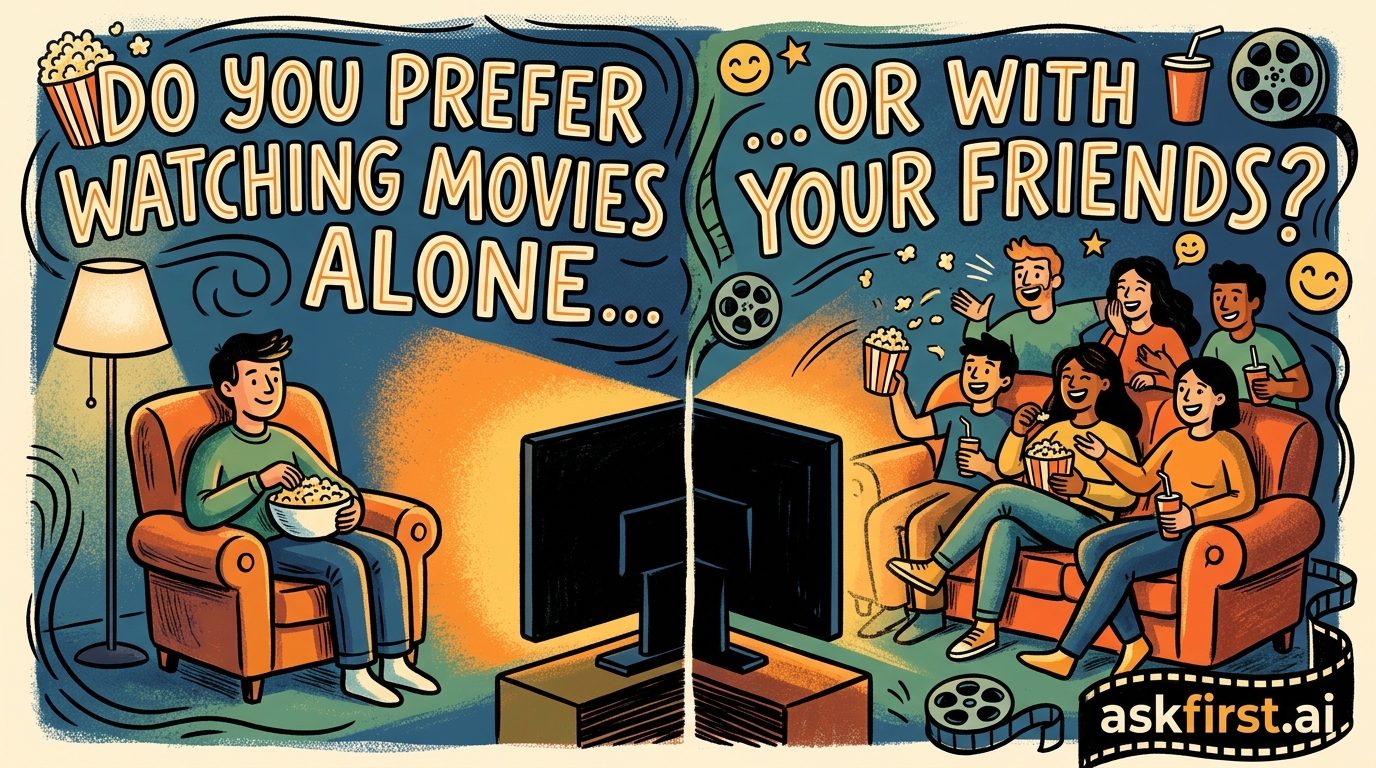
Choosing to watch a movie in solitude is a practice deeply rooted in the concept of psychological immersion. When an individual engages with cinematic content alone, the environment becomes a controlled space, eliminating external variables that might disrupt the flow of narrative absorption. Research suggests that solitary viewing allows for 'parasocial involvement,' where the viewer develops a more intense, personal connection to the characters and the thematic elements of the film. Without the filter of social commentary or shared laughter, the brain processes the emotional beats of the plot with higher fidelity.
Furthermore, the solitary experience provides a sense of autonomy. There is no need for consensus-building on film selection, no pauses for casual conversation, and no pressure to react in a way that aligns with social norms. This is essentially a mindfulness practice—a deliberate immersion into an aesthetic experience that prioritizes the internal dialogue of the spectator over communal performance.
The Dynamics of Communal Cinema
Conversely, watching a movie with friends transforms the viewing experience from an introspective endeavor into a socio-behavioral event. This practice relies heavily on 'co-viewing dynamics'—the psychological phenomenon where emotional responses are amplified through social mirroring. If a scene is frightening, the collective anxiety of the group intensifies the sensation. If a scene is humorous, laughter becomes contagious, creating a feedback loop that renders the movie-going experience significantly more vivid.
- Bonding and Shared Experience: Watching a film together acts as a social glue. Post-viewing discussions often serve as conduits for psychological bonding, allowing friends to explore complex ethical dilemmas or thematic questions raised by the movie.
- Validation of Emotion: Social viewing provides external validation for reactions. Feeling validated in one's shock, sadness, or joy during a film reinforces social cohesion.
Comparing the Cognitive Load
To understand which format is 'better,' one must evaluate the cognitive load. Social interaction during a movie acts as a cognitive distractor. While this distracts from the pure narrative continuity of the director's vision, it replaces it with a layer of social synthesis.
- Individual Viewing Pros: Total narrative control, deep character immersion, high emotional intensity, and self-paced consumption.
- Group Viewing Pros: Heightened emotional response, opportunity for intellectual exchange, strengthening of interpersonal relationships, and collective memory creation.
The Impact of Film Genre on Selection
Expert analysis suggests that the decision between solo and social viewing is often genre-dependent.
- Introspective or Complex Dramas: These are often best consumed alone. The intellectual rigor required to analyze subtle directorial choices or complex character motivations benefits from the absence of social interruption.
- Horror or High-Octane Action: These genres thrive on shared communal responses. The 'scare factor' or the 'thrill ride' of an action set-piece is scientifically documented to be more enjoyable when shared within a group.
- Comedies: Much like action films, the presence of others acts as a catalyst. The laughter-response is statistically higher in groups, suggesting that the social component is a vital ingredient for the comedy genre's success.
Strategic Recommendations for Cinematic Consumption
For those seeking to maximize their engagement with film as an art form, a hybrid approach is recommended. Treat cinema as an intellectual pursuit by dedicating time to watch films alone when the goal is to appreciate artistry, cinematography, and nuanced storytelling. Reserve group viewings for entertainment-centric experiences where the primary objective is relationship-building and the shared release of emotional tension.
The Future of Shared Viewing
Technological advancements, such as synchronous streaming platforms, have begun to blur the lines between these two modes of consumption. Even while physically distant, viewers can now maintain a social connection while retaining the comfort of their own private space. This suggests that the future of cinema is not necessarily a binary choice between isolation and community, but rather a dynamic continuum. By understanding the psychological underpinnings of why and how one consumes media, individuals can tailor their environments to get the most out of every frame, whether that means retreating into a dark, silent room or inviting a group of peers to witness the spectacle together.