Comprehensive Strategies to Eradicate Gender-Based Violence
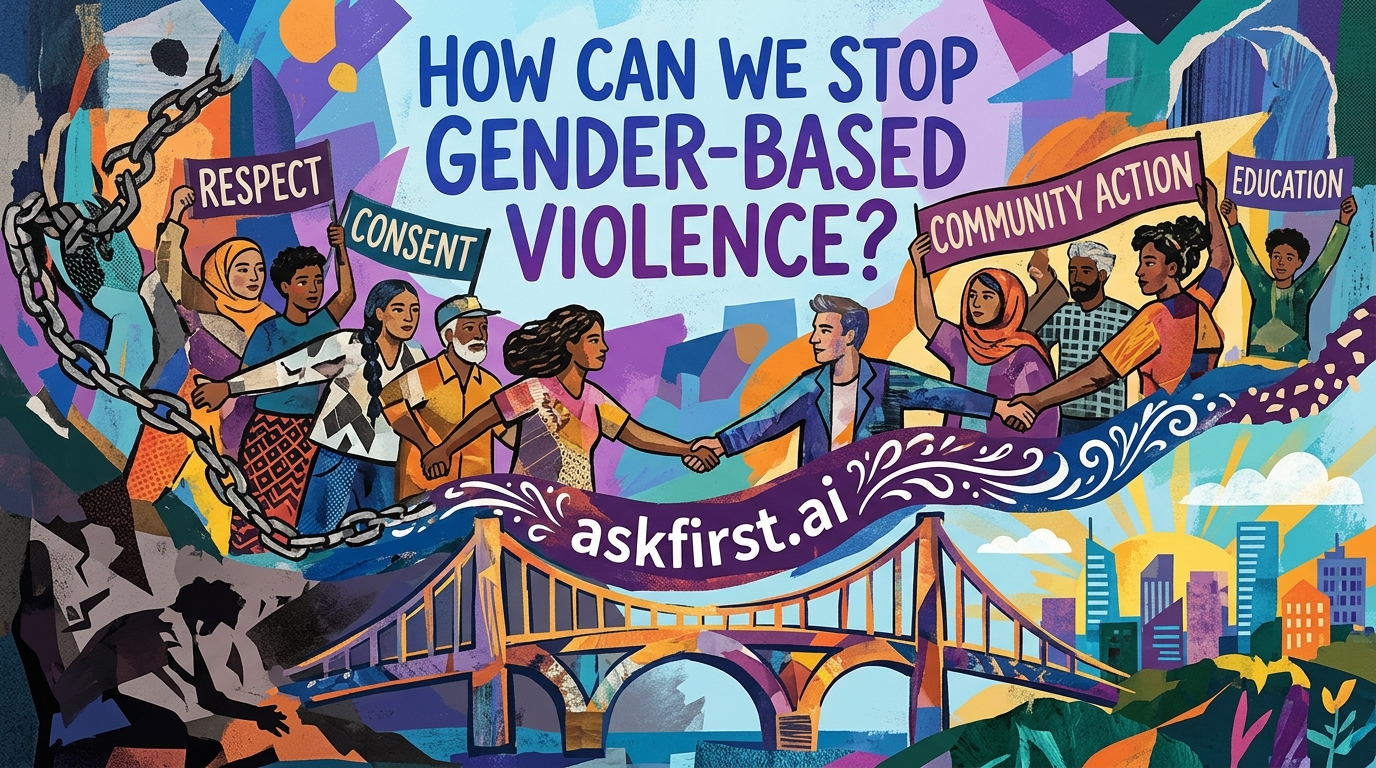
Gender-based violence (GBV) remains one of the most pervasive human rights violations globally, transcending borders, socioeconomic status, and cultural frameworks. It is defined as harmful acts directed at an individual based on their gender, rooted in gender inequality, the abuse of power, and harmful norms. Addressing this systemic issue requires a multidimensional approach—moving beyond reactive measures toward proactive, structural, and cultural transformation. To effectively dismantle the architecture of violence, we must look at legal reform, economic empowerment, education, and community-based intervention.
1. Structural and Legal Reform: The Foundation of Accountability
The primary barrier to ending GBV is often the lack of robust legal frameworks that hold perpetrators accountable. Laws must be more than symbolic; they must be enforceable, victim-centered, and gender-responsive.
- Criminalization and Implementation: Many nations possess laws against domestic violence, yet implementation remains abysmal due to police bias or lack of training. According to Dr. Rashida Manjoo, former UN Special Rapporteur on violence against women, in her seminal work Violence Against Women: An International Perspective, the "implementation gap" is the greatest hurdle. Governments must ensure that protection orders are accessible, that forensic evidence collection is prioritized, and that judicial systems are trained to recognize coercive control rather than just physical trauma.
- Specialized Judicial Pathways: Establishing specialized courts for gender-based crimes ensures that cases are handled by judges and prosecutors who understand the nuances of power dynamics and trauma-informed jurisprudence.
2. Education and the Deconstruction of Patriarchal Norms
Violence is a learned behavior, often seeded in childhood through the socialization of gender roles. To stop GBV at the source, we must engage in radical pedagogical shifts.
- Comprehensive Sexuality Education (CSE): As advocated by organizations like UNESCO in their International Technical Guidance on Sexuality Education, teaching young people about bodily autonomy, consent, and healthy relationships is paramount. When children are taught that "no" is a boundary that must be respected, they are less likely to grow into adults who view others as property or objects.
- Challenging Toxic Masculinity: Programs like "The Man Box" study, conducted by Promundo, highlight how limiting definitions of manhood—which equate strength with dominance and aggression—fuel violence. We must promote "positive masculinity," where men are encouraged to express vulnerability, empathy, and emotional intelligence. Schools and community centers must become hubs for these discussions, moving away from the "boys will be boys" narrative that excuses early-stage harassment.
3. Economic Empowerment as a Protective Shield
Economic dependency is a significant factor in why survivors remain in abusive relationships. Financial abuse—where a partner controls all access to money—is a primary tool of entrapment.
- Financial Independence Programs: Initiatives that provide micro-loans, vocational training, and guaranteed basic income for women allow survivors to leave dangerous environments without the fear of destitution. In her book The Moment of Lift, Melinda French Gates emphasizes that when women have control over their own finances, they gain the "leverage" necessary to negotiate their safety and autonomy within the household and the broader community.
- Workplace Policies: Employers have a moral and legal obligation to implement "Domestic Violence Leave" policies. By allowing survivors time off to attend court hearings or secure housing without fear of losing their jobs, businesses become active participants in dismantling the cycle of abuse.
4. Community-Based Intervention and Bystander Awareness
GBV is often treated as a "private matter," a cultural shroud that protects perpetrators. We must transition toward a culture of collective responsibility.
- Bystander Intervention Training: The work of Dr. Jackson Katz, particularly in his book The Macho Paradox: Why Some Men Hurt Women and How All Men Can Help, provides a roadmap for bystander intervention. He argues that men have a unique responsibility to speak up when they see peers engaging in misogynistic behavior. When communities treat violence as a collective shame rather than a personal tragedy, the social cost of perpetrating violence increases significantly.
- Support Networks and Resource Accessibility: We must decentralize support. Survivors should not have to travel to large cities to access a crisis center. Integrating mental health support, legal aid, and shelters into local community health centers ensures that help is physically and culturally accessible.
5. The Role of Technology and Data
In the digital age, GBV has evolved into cyber-harassment, doxxing, and non-consensual image sharing. Stopping GBV now requires technological oversight.
- Digital Safety: Tech platforms must implement strict moderation policies regarding gendered hate speech. Furthermore, data-driven policing—where authorities track high-risk areas and repeat offenders using anonymized, ethical data—can help in the preventive deployment of social services and law enforcement resources before violence escalates to homicide.
Conclusion
Ending gender-based violence is not a task for any single institution; it is a total societal undertaking. It requires the courage to challenge the status quo, the political will to fund protective services, and the individual commitment to unlearn harmful biases. By combining legal rigor with cultural shifts, and economic empowerment with community vigilance, we can create a world where safety is a guaranteed right rather than a privilege. As highlighted by the United Nations Entity for Gender Equality and the Empowerment of Women (UN Women), the goal is not merely to "manage" violence, but to eradicate the conditions that allow it to flourish. This is a generational project, but one that is fundamentally necessary for the evolution of human society.