The Psychology of Shared Screen Time: Bonding Through Cinema
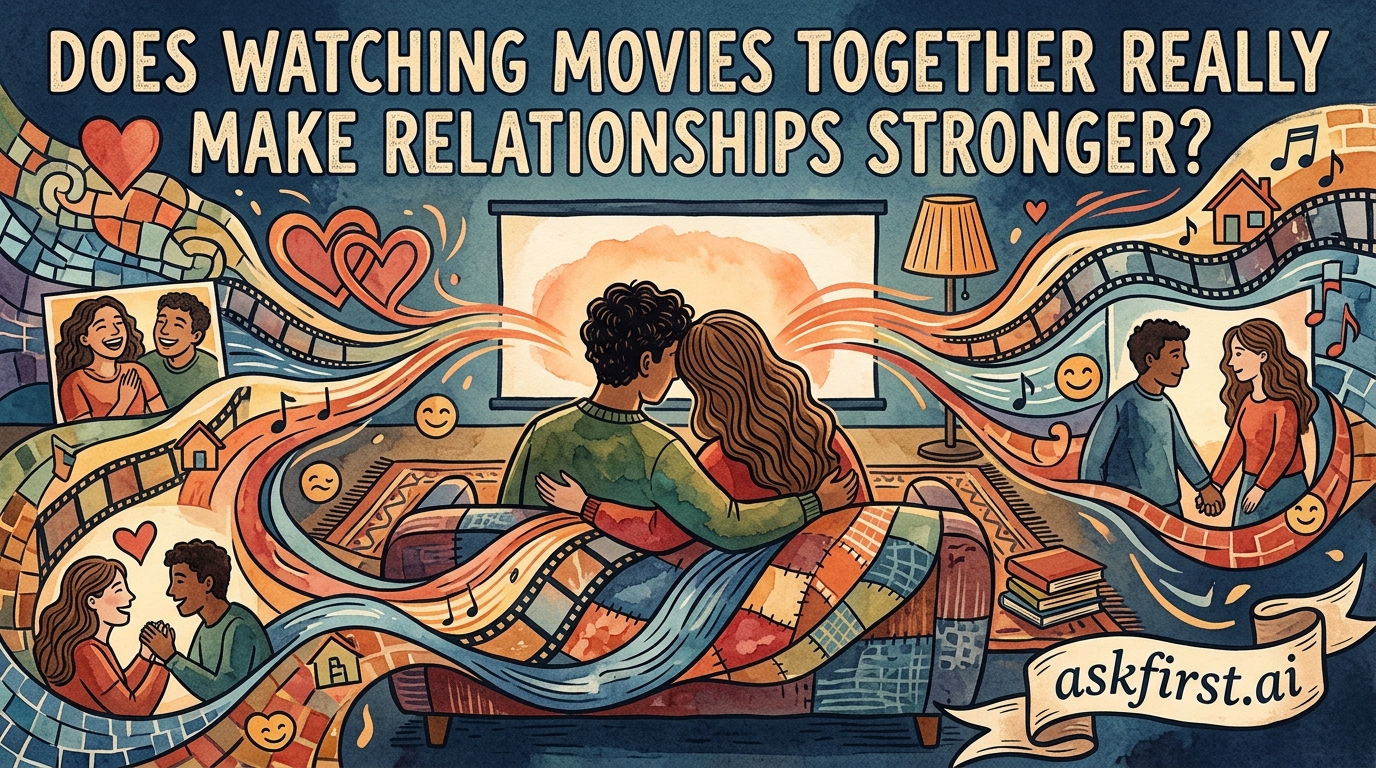
Modern relationship science has increasingly turned its focus toward the subtle rituals that maintain emotional connectivity over time. One of the most common, yet frequently dismissed, domestic habits is the act of watching movies together. Far from being a "mindless" activity, shared media consumption acts as a sophisticated tool for emotional regulation and social bonding.
The Theory of Parasocial and Shared Reality
Psychological research suggests that when two people engage in the same narrative simultaneously, they often experience a phenomenon known as shared reality. As the brain processes the narrative arc, characters, and emotional beats of a film, both partners are essentially operating on the same neural wavelength. This synchronization of attention helps to bridge gaps in communication by providing a neutral "third party"—the movie itself—to discuss, critique, and analyze.
Breaking the Communication Barrier
For many couples, direct conversation about personal struggles or complex emotions can feel daunting or defensive. Movies offer a "low-stakes" environment for emotional exploration. By projecting feelings onto fictional characters, partners can safely discuss sensitive topics such as betrayal, ambition, or loyalty without the immediate threat of conflict. This indirect method of communication creates a bridge that allows couples to understand each other's moral frameworks, values, and emotional triggers.
Scientific Benefits of Movie-Watching Rituals
Recent studies indicate that the benefits of this practice extend beyond mere entertainment:
- Reduced Divorce Rates: Research conducted at the University of Rochester found that couples who discussed five films a month were significantly less likely to separate than those who did not. The act of discussing the movie fostered a dedicated space for regular, focused communication.
- Increased Empathy: Watching characters navigate hardships or joy helps partners build empathy. Discussing how a character "felt" in a specific scene encourages partners to reflect on how they might feel in similar situations, fostering greater emotional literacy.
- Stress Reduction: Shared laughter or suspense triggers the release of oxytocin, often referred to as the "bonding hormone." Engaging in high-arousal scenes can also create a sensation of "misattribution of arousal," where the excitement of a thriller is subconsciously associated with the partner, effectively deepening physical attraction.
Implementing a Successful "Cinema Ritual"
To transform movie-watching from a passive habit into a relationship-strengthening ritual, the approach must be intentional. A few guidelines ensure maximum benefit:
- The Post-Movie Debrief: Do not jump straight into phone scrolling or sleep. Spend ten minutes discussing the film. Ask open-ended questions like, "What would you have done differently in that character's situation?" or "Did that ending surprise you?"
- Mutual Selection: The process of choosing a film is an exercise in compromise. Take turns choosing the genre or specific film to ensure neither partner feels their preferences are consistently ignored.
- Minimize Distractions: The power of shared reality diminishes when attention is fragmented by smartphones or other devices. Prioritize focused, "single-tasking" screen time to allow for true presence.
Common Myths Busted
There is a prevailing myth that television and movies are merely "escapism" that prevents real connection. However, psychological evidence suggests that it is not the act of watching that matters, but the co-viewing dynamic. Watching a movie together acts as a behavioral scaffold. In the absence of a structured activity, couples often default to passive behaviors. A movie provides a structure that invites interaction. When partners stop speaking to each other while watching, the ritual loses its potency; it is the integration of the film into the conversation that acts as the real relationship catalyst.
Conclusion: A Tool for Long-Term Intimacy
In the journey of a long-term relationship, finding simple, cost-effective, and enjoyable ways to reconnect is vital. Movie-watching is an evergreen practice that invites partners to learn about each other's ever-evolving worldviews through the medium of storytelling. By treating cinema as a gateway to deeper conversation, couples can transform their living room into a space of growth, empathy, and renewed connection. As long as the engagement remains active and collaborative, the humble act of watching movies together remains one of the most effective, science-backed methods for sustaining the strength and longevity of a romantic partnership.