The Psychology of Discretionary Wealth
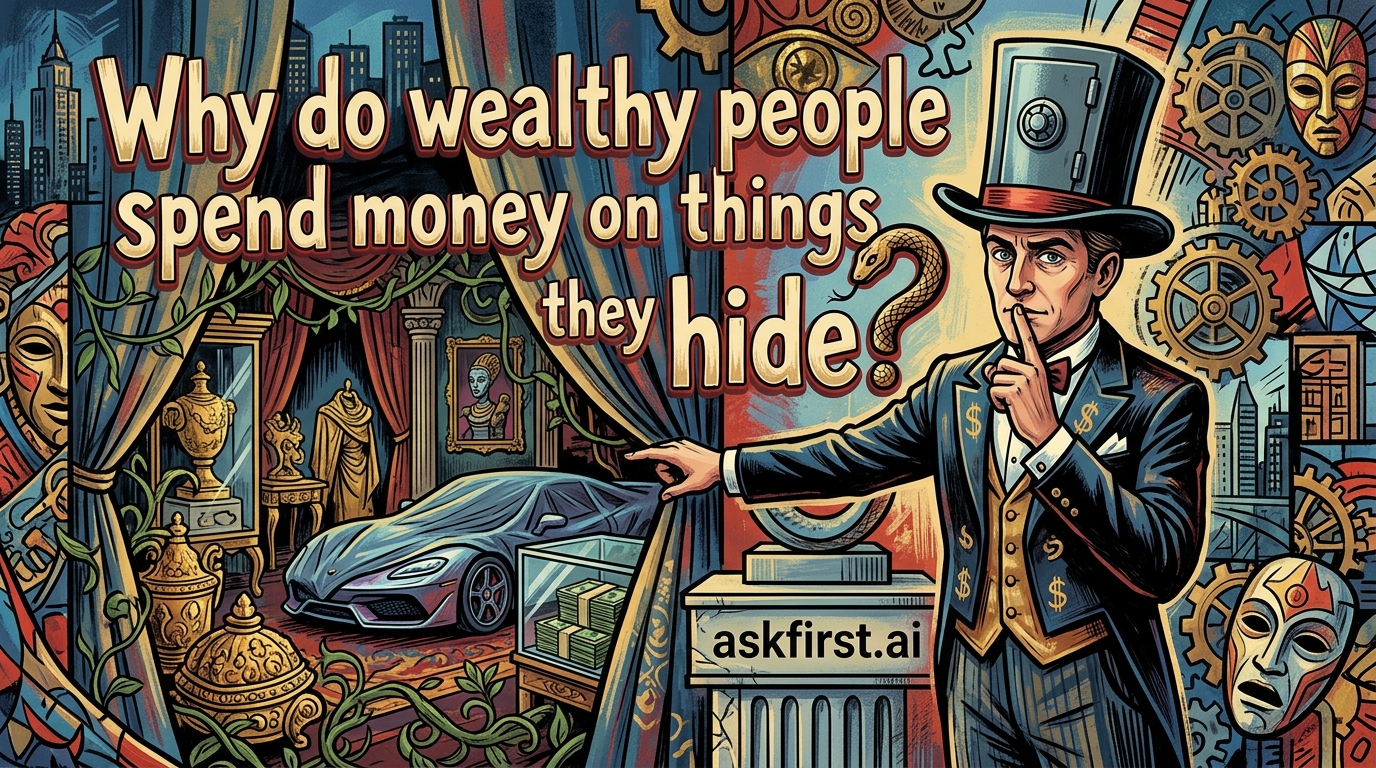
The phenomenon of 'stealth wealth' or hidden spending is a fascinating study in behavioral economics and human psychology. While the popular narrative suggests that wealth is inextricably linked to conspicuous consumption—luxury cars, sprawling mansions, and designer labels—a significant portion of the ultra-wealthy segment intentionally directs their capital toward assets that remain obscured from the public eye. This behavior is driven by a complex interplay of security, psychological comfort, and long-term asset protection.
1. Protection Against Social Friction and Dependency
One of the most pragmatic reasons for concealing luxury acquisitions is the mitigation of the 'wealth tax' imposed by social dynamics. When an individual’s wealth becomes highly visible, the expectations of family, friends, and acquaintances shift dramatically. By keeping significant purchases private, the wealthy protect themselves from requests for loans, unsolicited business proposals, and the resentment that can arise from social disparity. This phenomenon is often described by sociologists as protecting the 'social equilibrium.' Maintaining a lower profile allows these individuals to cultivate genuine, non-transactional relationships.
2. Physical and Digital Security
Beyond social pressures, safety is a paramount concern for high-net-worth individuals. Assets that are easily cataloged—such as high-end art collections, rare antiquities, or complex offshore investment vehicles—can become targets for theft or exploitation. The security of a physical asset, like an unlabeled, high-tech safe room or a remote, anonymous holding, is often more valuable than the prestige associated with displaying that asset. In the digital age, cybersecurity threats have extended this need for privacy; keeping the full extent of one's financial portfolio offline prevents 'digital stalking' and targeted cyber-attacks aimed at asset liquidation.
3. Hedonic Adaptation and Psychological Grounding
Psychologically, many wealthy individuals find that the 'keeping up with the Joneses' cycle eventually leads to hedonic adaptation, where the joy derived from public displays of wealth diminishes over time. Conversely, investing in 'hidden' assets—such as personalized, private experiences, bespoke intellectual property, or quiet philanthropic trusts—often provides a deeper, more sustained sense of satisfaction. These expenditures represent an internal value system rather than an external status symbol. By avoiding the scrutiny of the public, the wealthy can enjoy their acquisitions without the pressure of performing a specific 'wealthy' identity, which allows for greater personal freedom and psychological stability.
4. Strategic Financial Positioning and Privacy
From a purely financial perspective, the concealment of certain assets is often a strategic maneuver to maintain market influence. High-profile investors may choose to purchase stakes in companies or commodities anonymously to avoid triggering market volatility. If the public knows a billionaire is acquiring a specific sector, market prices often spike, making further acquisitions more expensive. Thus, discretion is not just about secrecy; it is a vital tool for capital efficiency and strategic dominance in private markets.
5. The Concept of 'Quiet Luxury' as a Lifestyle
In recent years, the trend of 'Quiet Luxury' or 'Stealth Wealth' has gained mainstream attention. This involves investing in items that lack visible branding but possess exceptional quality and craftsmanship. For the ultra-wealthy, the signal of status is directed toward peers who understand the intrinsic value of an object, rather than the general public. For instance, a bespoke watch with no recognizable logo, or a custom-built home designed for acoustics rather than curb appeal, communicates status only to those 'in the know.' This filtering mechanism acts as a gatekeeper to their social circle.
Key Takeaways for Wealth Management
- Privacy as an Asset Class: View privacy as an investment that prevents erosion of your primary capital.
- Intrinsic vs. Extrinsic Value: Prioritize assets that provide genuine utility rather than just social signaling.
- Strategic Discretion: Use anonymity as a tool to protect market positions and reduce social friction.
- Security Mindset: Always prioritize the physical and digital safety of assets over the prestige of public acknowledgment.
Ultimately, the choice to hide spending is rarely about deceit; rather, it is about the assertion of control. For the wealthy, the ability to choose what the world sees—and more importantly, what it does not see—is the highest form of luxury. It allows for the preservation of personal autonomy in a world that is increasingly obsessed with transparency and surveillance. By keeping these aspects of their lives private, these individuals ensure that their legacy and their assets remain under their own terms, free from the interference of public expectation or external volatility.