Potty training is a significant developmental milestone that marks a toddler’s transition toward independence. While many parents approach this period with trepidation, viewing it as a stressful "chore," it is more accurately described as a physiological and psychological maturation process. Successfully guiding a child through this transition requires patience, observation, and a structured, supportive environment.
Recognizing Readiness: The Foundation of Success
Before initiating any formal training, it is crucial to assess whether your child is developmentally ready. Experts like Dr. T. Berry Brazelton, in his seminal work Touchpoints: Birth to Three, emphasize that forcing a child before they are ready can lead to power struggles and regression. Readiness is rarely about a specific age; rather, it is about a cluster of physical and cognitive markers:
- Physical Control: The child can stay dry for at least two hours at a time, indicating that their bladder capacity has increased and they have developed the muscular control to hold urine.
- Cognitive Awareness: The child can follow simple, multi-step instructions and understands the connection between the sensation of needing to go and the action of using the toilet.
- Behavioral Interest: The child shows curiosity about the bathroom, mimics adult behavior, or expresses discomfort with a soiled diaper.
- Communication: The child can verbalize the need to go or signal through gestures that they are currently eliminating.
Establishing the Environment
Creating a stress-free environment is paramount. According to the American Academy of Pediatrics (AAP) in their guide Caring for Your Baby and Young Child, the bathroom should be a place of comfort, not anxiety.
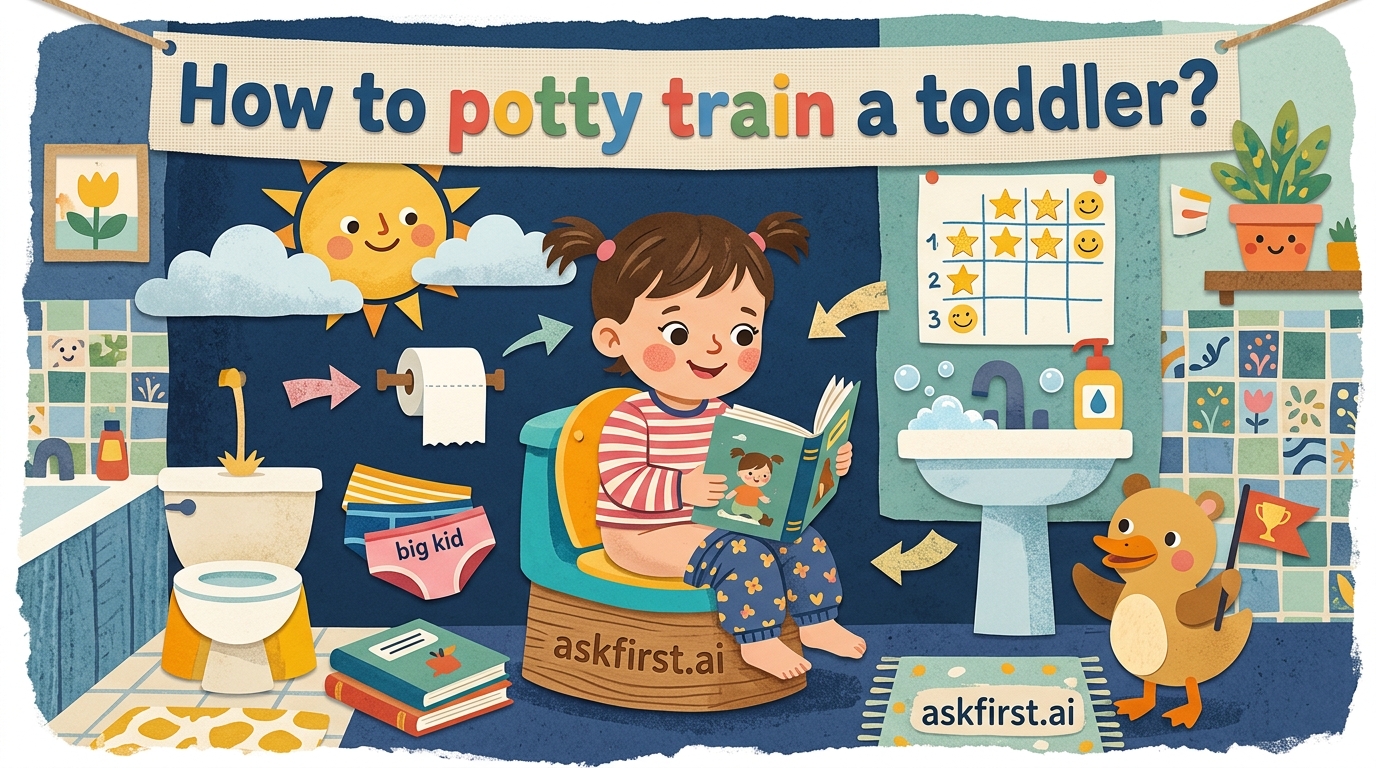
- Introduce the Equipment: Whether you choose a small, floor-standing potty chair or a seat reducer for the adult toilet, let your child explore it. Some children prefer the potty chair because it is less intimidating and allows them to keep their feet firmly on the ground, which aids in bowel movements.
- Normalization: Allow your child to observe you or siblings using the bathroom. This demystifies the process and makes it a normal part of daily life.
- Dressing for Success: During the training phase, choose clothing that is easy to remove. Avoid overalls, complicated buttons, or tight zippers. Elastic-waist pants or "commando" training (no pants at all for short periods) can significantly reduce accidents caused by the inability to undress quickly enough.
The Methodology: Consistency and Positive Reinforcement
The most effective methods typically involve a combination of "child-led" and "parent-guided" approaches.
The Scheduled Approach: In the early stages, do not wait for the child to tell you they need to go. Young toddlers often get distracted by play and ignore their internal cues. Create a schedule—every 60 to 90 minutes—and invite them to sit on the potty. Keep these sessions short (3-5 minutes) to prevent the child from feeling trapped.
Positive Reinforcement: Behavioral psychology suggests that positive reinforcement is far more effective than punishment. When a child successfully uses the potty, offer genuine praise. Avoid over-the-top rewards like candy or expensive toys, which can shift the focus from the internal satisfaction of self-regulation to the external reward. Instead, use a sticker chart or a simple "potty dance" to celebrate the achievement.
Handling Accidents: Accidents are an inevitable part of the process. How you react will determine the child’s emotional association with the toilet. If an accident occurs, remain neutral. Say something like, "Oops, you had an accident. Let’s go clean up and try again next time." Never shame, punish, or scold a child for an accident; this can lead to "withholding," where the child becomes afraid to eliminate, potentially causing chronic constipation.
Addressing Nighttime and Naptime
Daytime dryness is usually achieved months before nighttime dryness. Nighttime control is a physiological process dependent on the production of antidiuretic hormone (ADH), which slows urine production while sleeping. As noted in The No-Cry Potty Training Solution by Elizabeth Pantley, you cannot "train" a child to be dry at night; you must wait for their body to mature. Continue using pull-ups or diapers during sleep until you notice they are waking up dry consistently for several weeks.
Conclusion
Potty training is a marathon, not a sprint. It requires the caregiver to be a steady, calm presence. By focusing on readiness cues, maintaining a consistent routine, and responding to accidents with grace, you transform a potentially chaotic period into a successful developmental milestone. Remember that every child follows their own timeline—some master the skill in a week, while others may take several months. Stay the course, observe your child’s unique cues, and celebrate the small steps toward their growing independence.