The Psychology of the Brew: Analyzing Office Coffee Habits
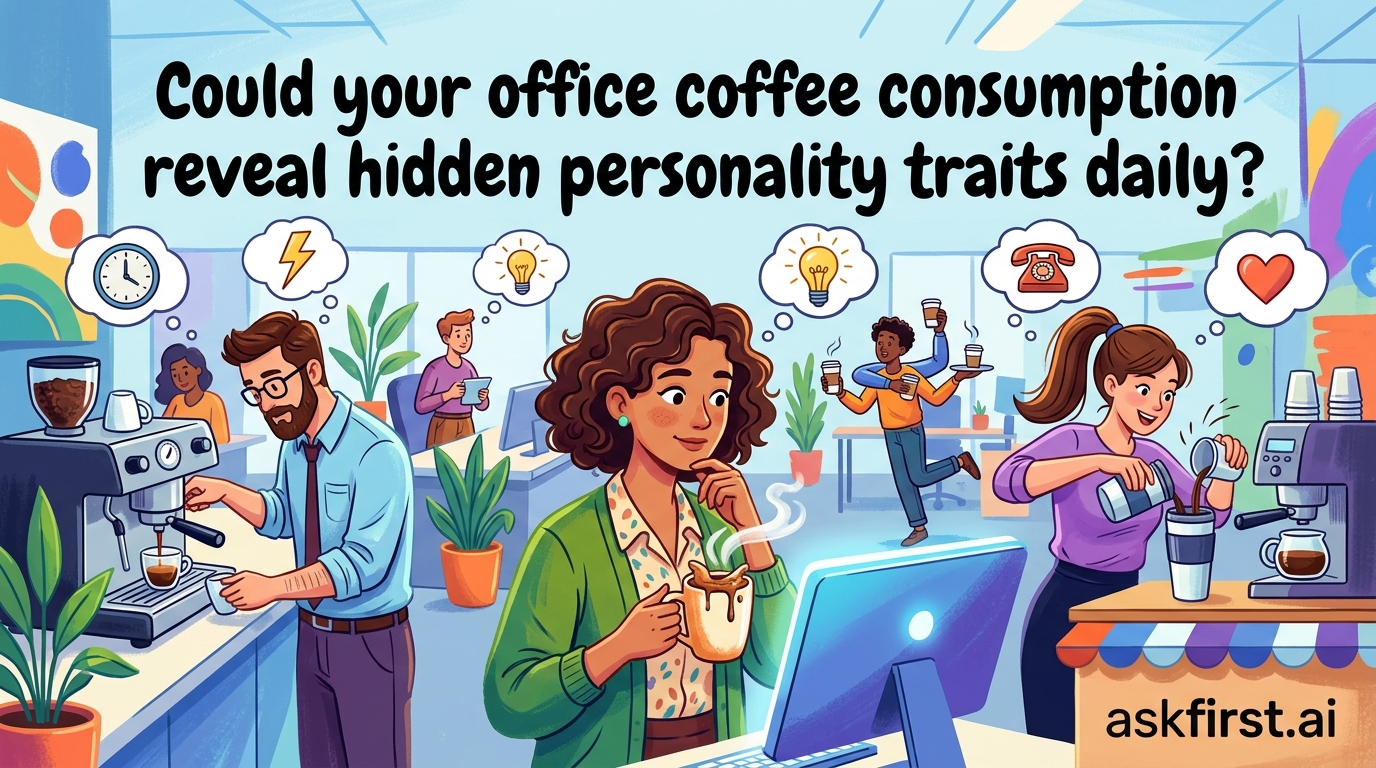
For decades, psychologists and organizational behaviorists have explored the subtle, often subconscious ways in which daily routines reflect underlying character structures. Among the most pervasive office rituals, coffee consumption serves as a complex canvas for personality projection. What might seem like a mere necessity to combat midday fatigue is, according to modern behavioral studies, a reflection of decision-making styles, social integration, and cognitive preferences.
The Black Coffee Purist: Efficiency and Focus
Individuals who prefer their coffee black—devoid of additives, sugars, or creamers—often demonstrate a preference for efficiency and minimalism. Research in sensory science, notably studies exploring the link between bitter taste sensitivity and personality, suggests that black-coffee drinkers often value directness and uncomplicated solutions. In a workspace, this individual is likely to favor objective-based communication. They tend to prioritize the "bottom line" and demonstrate a higher tolerance for high-pressure tasks, often viewing unnecessary ornamentation as a distraction from the primary goal. Their routine is predictable, consistent, and remarkably focused, reflecting an internal need for control and clarity.
The Frappuccino Enthusiast: Creativity and Social Connectivity
Conversely, those who opt for highly customized, sweet, or blended beverages often score higher on measures of "openness to experience" and "interpersonal warmth." These individuals frequently use the coffee break as a social catalyst. By selecting complex, flavor-rich drinks, they exhibit a comfort with variety and a willingness to step outside traditional norms. These employees often excel in roles requiring lateral thinking, brainstorming, and collaborative team dynamics. Their coffee choice is a reflection of their social nature—they are looking for an experience rather than just a fuel source, which translates to a more nuanced approach to professional problem-solving.
The Decaf Connoisseur: The Calculated Risk-Taker
Contrary to the myth that decaf drinkers are simply "boring," psychological profiling suggests that these individuals often possess a high level of self-awareness and physiological management. Choosing decaf frequently indicates a conscious decision to control one’s environment and state of mind. These individuals are often planners; they prioritize stability and long-term sustainability over short-term stimulation. In a business context, they are often the steady hands during a crisis, preferring methodical, error-free execution over rapid, reactive maneuvers. Their personality is characterized by deliberate action and a desire for balance.
The Specialty Drinker: Attention to Detail
Individuals who obsess over bean origin, roast profiles, or specific brewing methods (such as the pour-over devotee) often share traits associated with conscientiousness and perfectionism. These employees are rarely satisfied with "good enough." In the professional sphere, they are often the detail-oriented team members who ensure quality control and documentation integrity. Their coffee ritual is a process, and they bring that same methodical, detail-driven approach to every project they touch. They value craftsmanship and are usually the first to identify systemic inefficiencies in a workplace setting.
The Habitual Consumer: Structure and Routine
For many, the act of drinking coffee is tied strictly to the "caffeine-as-fuel" paradigm. These employees may be the most traditional in their work habits, showing a high preference for structure, scheduled meetings, and established hierarchies. They treat their coffee break as a ritualistic transition, signaling the start of a productive block or the end of a long meeting. Their reliability is their greatest asset. By maintaining the same beverage routine daily, they communicate a sense of predictability that team members rely on to foster psychological safety within a department.
Synthesis of Findings
It is essential to note that these observations are tendencies, not absolute laws of human nature. However, the correlation between beverage choice and personality is anchored in the concept of behavioral mirroring. A person’s choice of caffeine reflects their internal energy regulation, their social interaction style, and their cognitive processing preference.
Key Takeaways for Managers and Colleagues:
- Observe, Don't Judge: Use these patterns as tools for communication. If a team member drinks black coffee, approach them with facts and direct goals.
- Encourage Diversity: A team with a variety of coffee habits is often a team with a variety of thinking styles, which is essential for innovation.
- The Break Room Paradox: The social aspect of the coffee machine is more important than the liquid itself. It acts as the modern "water cooler," a vital hub for informal information exchange.
Ultimately, the office coffee cup is not just a container for a stimulant; it is an extension of the professional identity. Whether one seeks the comfort of a sugary latte or the sharp edge of a double espresso, the choice serves as a silent, daily broadcast of how one interacts with the challenges and the people of the professional world.