The Cinematic Dilemma: Solitude Versus Social Viewing
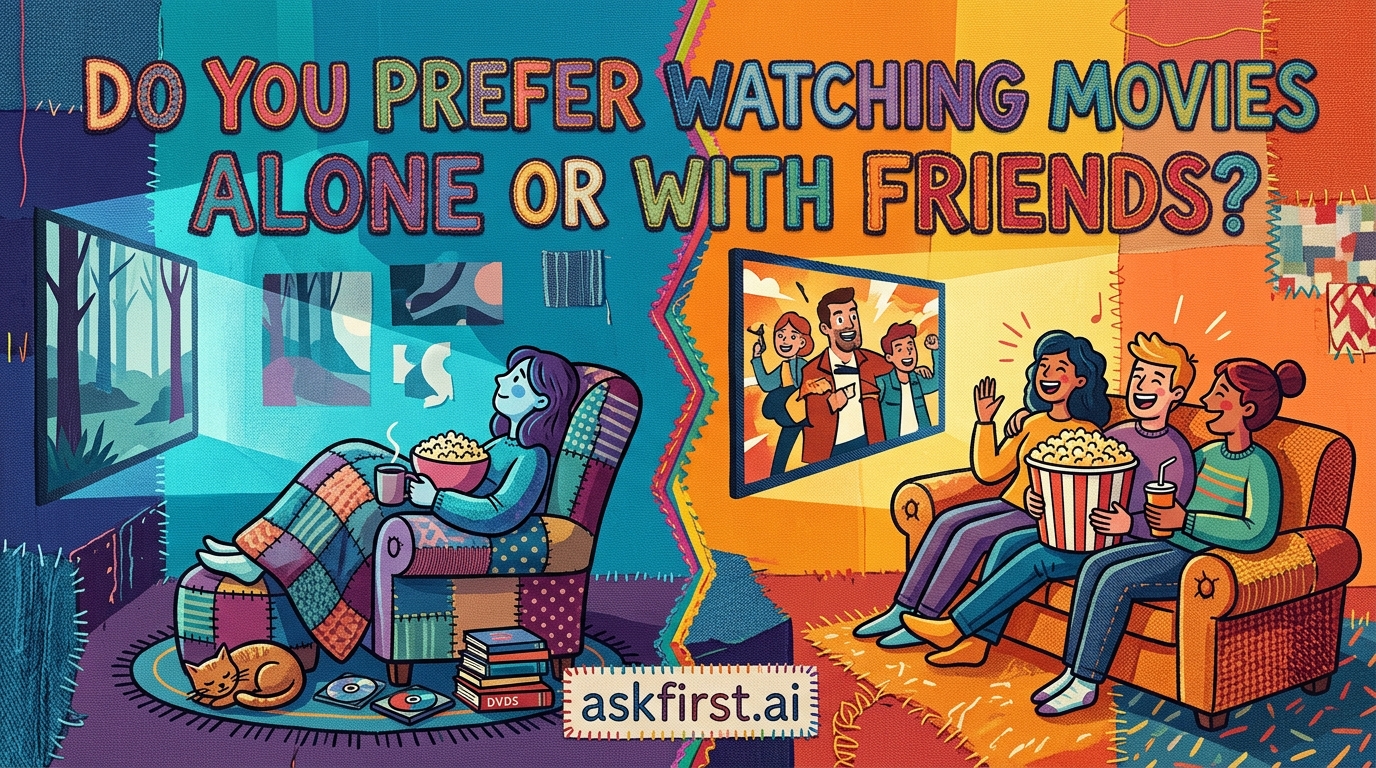
The debate over whether to consume cinema in total solitude or as a shared social experience is more than a matter of mere preference; it is a profound exploration of human psychology and the neurology of emotional processing. Scientific researchers have spent decades studying how social contexts alter the perception of sensory input. Whether one opts for the sanctuary of a solitary experience or the communal nature of a social gathering, each choice triggers distinct neurobiological responses that fundamentally reshape the narrative experience.
The Case for Solitary Immersion: Cognitive Flow and Personal Connection
Watching a film in solitude allows the brain to enter a state of high cognitive immersion, often referred to as a flow state. When the environment is controlled, distractions are eliminated, permitting a deep, uninterrupted engagement with the film's subtext, visual composition, and thematic nuance. Research in media psychology suggests that solitary viewing enhances personal introspection. By removing the pressure to react or communicate with others, the viewer becomes the sole arbiter of their emotional response.
- Deep Narrative Synthesis: Solitude fosters the ability to analyze complex plots without the interference of side commentary, allowing the prefrontal cortex to process narrative threads more effectively.
- Unfiltered Emotional Processing: Social facilitation theory dictates that being in the presence of others affects our behavior. Watching alone removes this layer, allowing for an raw, unadulterated emotional reaction.
- Customized Environments: The ability to manipulate lighting, sound, and comfort levels creates a tailored psychological cocoon that heightens sensory perception.
The Social Experience: Shared Reality and Collective Empathy
Conversely, watching a film with friends taps into the human need for communal bonding. Social viewing is essentially a shared ritual that relies on collective effervescence, a sociological concept describing the energy people feel when they come together to achieve a common goal—or in this case, a common sensory experience.
- The Mirror Neuron System: Research indicates that mirror neurons activate more strongly when shared experiences occur. Laughing at the same joke or feeling tension in unison during a climax synchronizes the physiological states of the group, effectively amplifying the emotional weight of the film.
- Social Cohesion: Shared viewing serves as a powerful tool for relationship building. Debating the themes or plot points of a movie after the credits roll reinforces social ties and intellectual stimulation through discourse.
- The Comedy Effect: It is a well-documented psychological phenomenon that human beings are more likely to laugh in groups. The communal validation of humor creates a feedback loop that increases the total enjoyment of a film compared to watching the same content in isolation.
The Neurobiology of Collective Emotion
Neurological studies have demonstrated that when people watch a movie together, their brain waves often move into synchronization. This phenomenon, known as 'neural coupling,' suggests that humans are evolutionarily wired to experience stories together. While solitary viewing is superior for analytical scrutiny, social viewing is biologically superior for maximizing collective arousal and endorphin release. A study published in the Journal of Consumer Psychology suggests that people often perceive pleasant experiences as 'doubled' when shared with another person, a concept often referred to as the shared reality theory.
Strategic Selection: A Reference Guide for Viewing Decisions
Determining the ideal viewing environment depends heavily on the content itself and the intended psychological outcome. Use the following framework to decide your environment:
- High-Complexity Thrillers or Arthouse Cinema: Best viewed alone. These films require undivided attention and high-level cognitive synthesis that can be disrupted by social interaction.
- Comedies or Crowd-Pleasing Blockbusters: Best viewed in a group. These genres rely on the 'social contagion' of laughter and excitement, which cannot be adequately replicated in isolation.
- Experimental or Abstract Media: Best viewed with a trusted intellectual peer. The necessity for post-film deconstruction makes these projects ideal for a shared-viewing experience.
- Rewatches of Comfort Content: Flexible. While group viewing offers a warm, nostalgic comfort, solitary viewing of a favorite film provides a meditative space to revisit old memories.
Conclusion: Honoring the Duality of Experience
There is no objective 'correct' answer to the cinematic preference question. Instead, there is a spectrum of engagement. Embracing both the introspective depth of the solo experience and the vibrant, sympathetic resonance of the social gathering provides a holistic approach to media consumption. By strategically matching the viewing environment to the specific nature of the film, viewers can harness the unique neurological benefits of both solitude and society, ensuring that every frame is experienced with maximum impact.